Understanding Winter Skincare Needs
Winter skincare isn’t just about applying thicker creams — it’s about understanding how environmental changes affect your skin’s biology. Cold air holds less humidity, meaning there’s less moisture available in the atmosphere. Combine that with indoor heating, strong winds, and temperature fluctuations, and your skin faces a perfect storm of dehydration and barrier disruption.
When your skin’s lipid barrier (its natural protective layer) weakens, you start to notice common winter symptoms: tightness, flakiness, dullness, and sensitivity. In severe cases, eczema or dermatitis can flare up.
That’s why your Winter Skincare routine must adapt — with hydrating, barrier-supporting, and soothing ingredients that replenish what cold weather strips away.

The Science Behind Dry Winter Skin
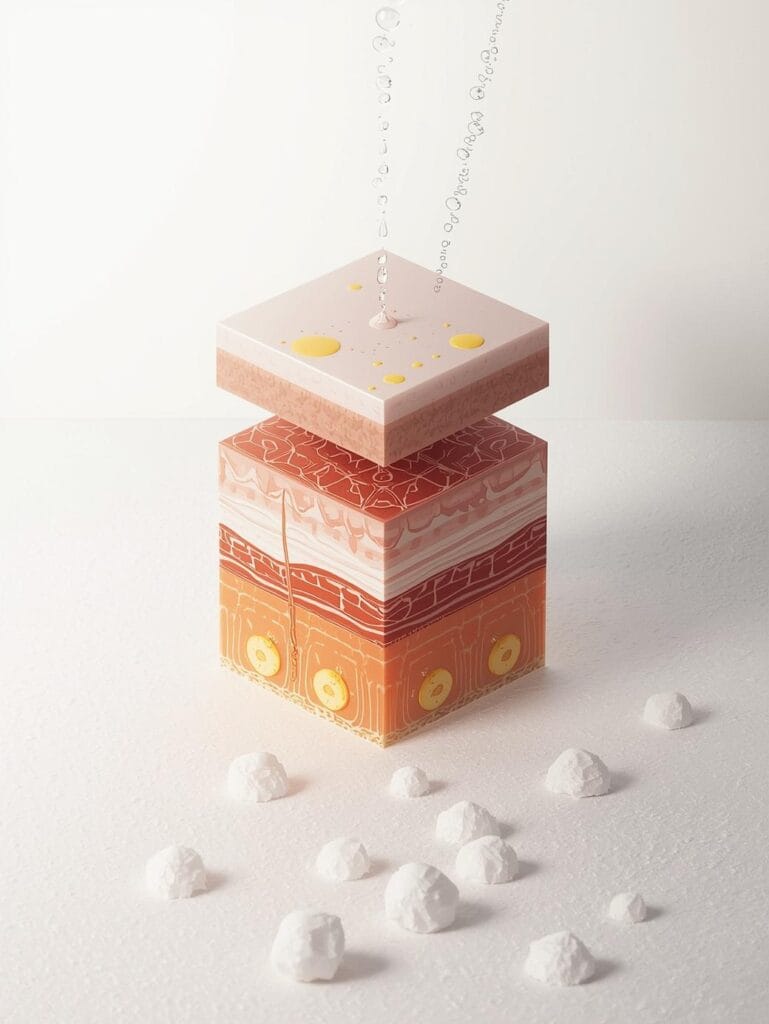
Your skin barrier is made up of three essential components:
- Corneocytes (skin cells)
- Lipids (ceramides, cholesterol, and fatty acids)
- Natural Moisturizing Factors (NMFs) like amino acids and urea
In winter, low humidity and harsh conditions cause transepidermal water loss (TEWL) — water evaporates from your skin faster than it can be replaced. This leads to inflammation, microcracks, and increased sensitivity.
Additionally, artificial heating (radiators, fireplaces, car heaters) reduces indoor humidity levels, which makes your skin feel parched no matter how much moisturizer you apply.
Mistake #1 – Using the Same Products Year-Round
Your skin’s needs change with the seasons — and winter skincare requires a different approach than summer. Using lightweight gels and mattifying products in December can leave your face feeling rough and tight because those formulations aren’t designed to seal in moisture.
Why This Is a Problem
Most summer products focus on oil control, while winter demands deep hydration and lipid restoration. Without switching to richer textures, your skin can’t defend itself against cold-weather stressors.
How to Adapt Your Routine
- Switch to cream or balm-based moisturizers containing ceramides, shea butter, and hyaluronic acid.
- Replace your foaming cleanser with a gentle, hydrating one (look for glycerin or oat extract).
- Use occlusive ingredients like squalane, petrolatum, or lanolin at night to trap moisture.
- Introduce a hydrating serum with niacinamide for extra barrier protection.
Best Ingredients for Winter Skincare
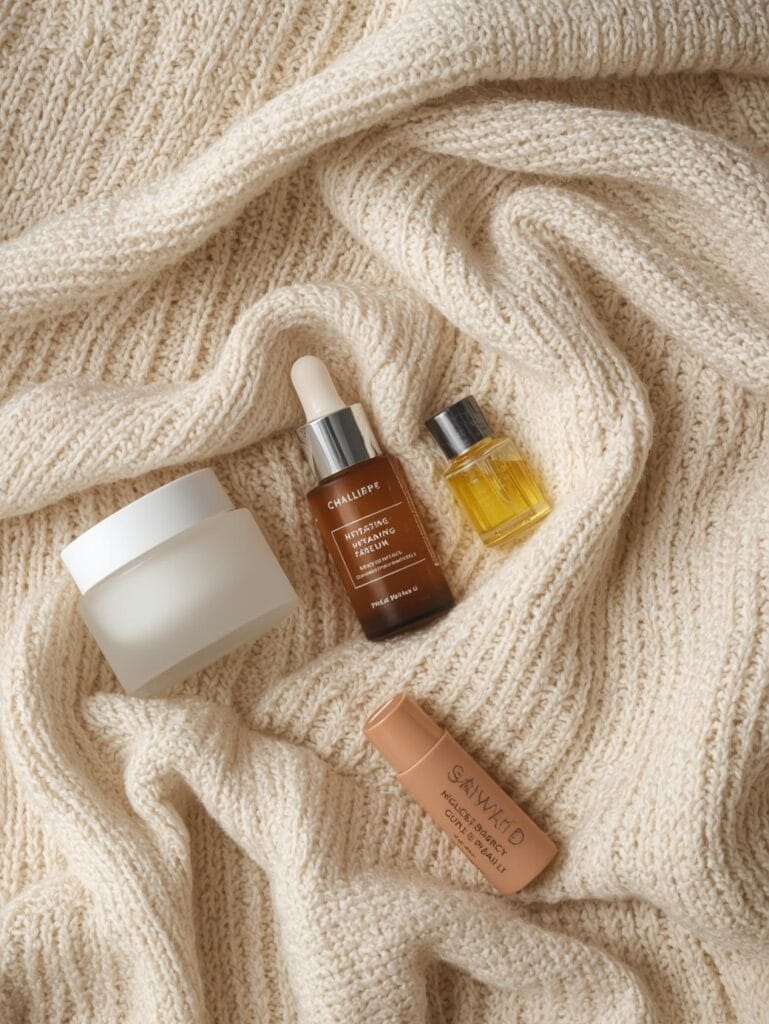
The foundation of an effective Winter Skincare regimen lies in its ingredients. Here are key components dermatologists recommend:
| Ingredient | Function | Best Used In |
|---|---|---|
| Hyaluronic Acid | Attracts and holds water molecules | Serums & moisturizers |
| Ceramides | Repair and strengthen the skin barrier | Creams & lotions |
| Glycerin | Draws moisture into the skin | Cleansers & toners |
| Niacinamide | Reduces redness, supports hydration | Serums |
| Squalane | Seals in moisture | Facial oils |
| Shea Butter | Provides deep nourishment | Body creams |
These ingredients ensure your skin stays resilient against winter’s dehydrating effects.
Mistake #2 – Over-Exfoliating or Under-Exfoliating
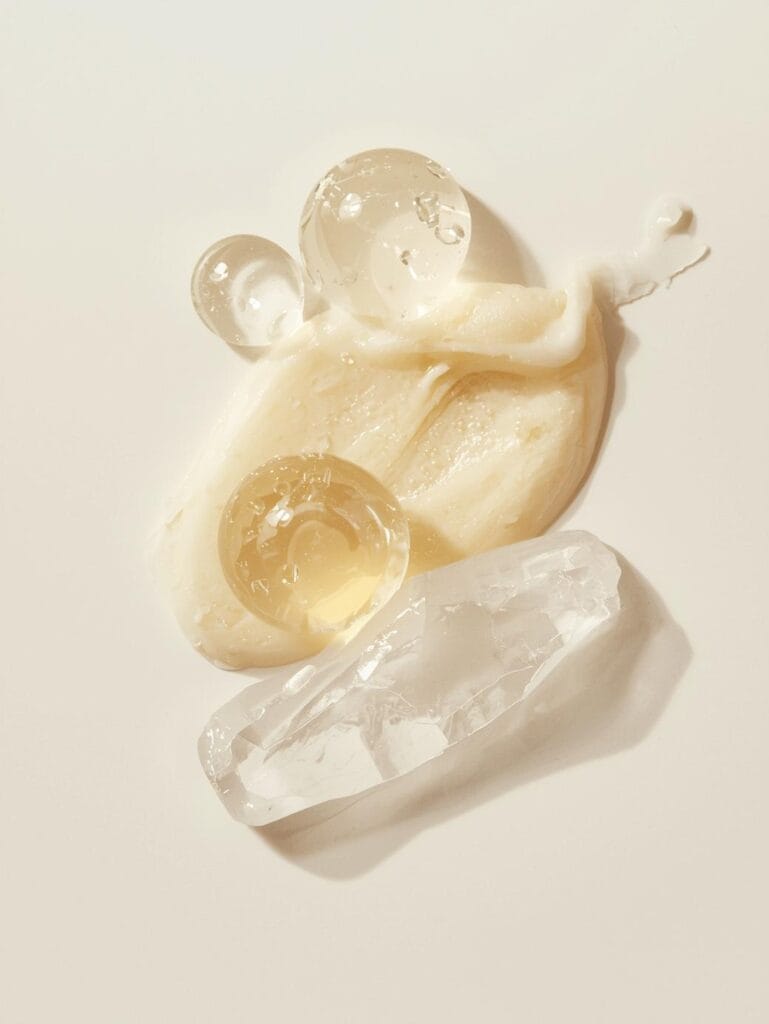
Exfoliation removes dead skin cells and helps your products penetrate better, but the balance is crucial in winter. Overdoing it can strip your barrier, while neglecting it entirely can lead to buildup, flakiness, and dullness.
How Over-Exfoliation Hurts
Excess exfoliation thins the skin barrier, causing redness, sensitivity, and microtears. This not only leads to discomfort but also allows irritants to penetrate deeper layers of your skin.
How to Find the Right Balance
- Exfoliate 1–2 times per week depending on your skin type.
- Use lactic acid or PHA-based exfoliants instead of harsher scrubs.
- Avoid using retinol and chemical exfoliants on the same night.
- Always apply a nourishing moisturizer afterward.
Mistake #3 – Ignoring Sun Protection in Winter
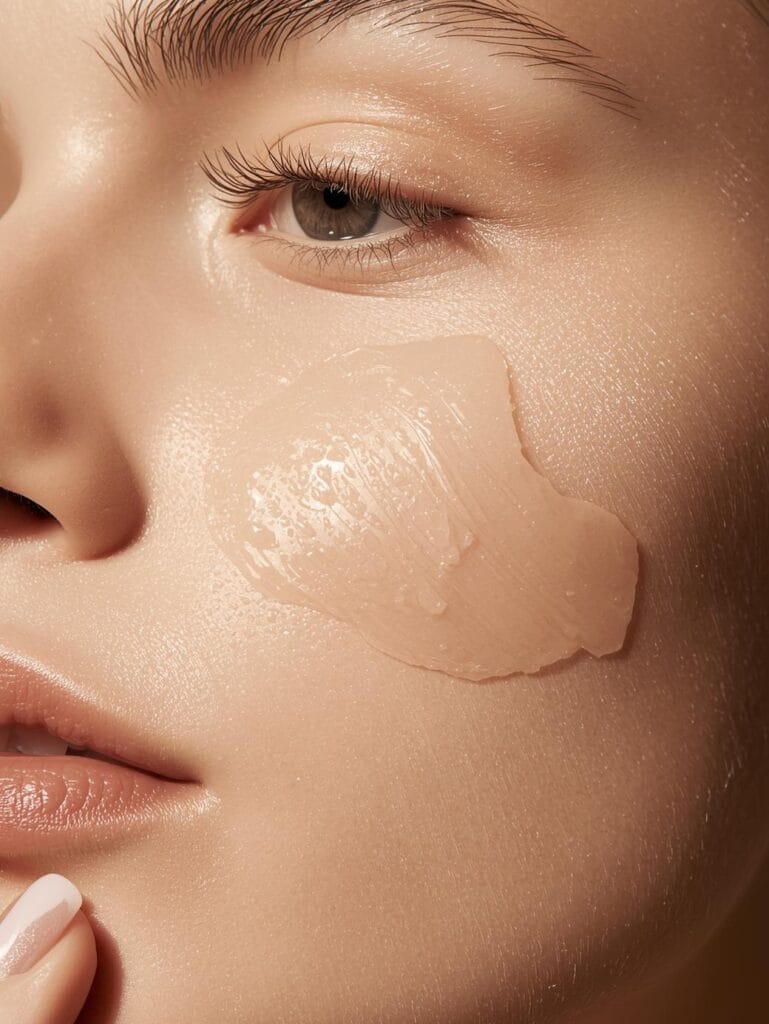
It’s easy to assume sunscreen isn’t necessary in cold or cloudy weather — but that’s one of the biggest Winter Skincare misconceptions. Up to 80% of UV rays can reflect off snow, meaning your skin is exposed to twice the UV radiation — from above and below.
The Role of UV in Skin Aging
UV exposure is cumulative. Even weak sunlight contributes to wrinkles, pigmentation, and premature aging. UVA rays penetrate deeply, breaking down collagen and elastin — leading to sagging and fine lines.
How to Protect Your Skin
- Use a broad-spectrum SPF 30+ every morning.
- Reapply every 2–3 hours if outdoors or near windows.
- Choose a hydrating sunscreen with antioxidants to double as a moisturizer.

Mistake #4 – Taking Hot Showers or Baths
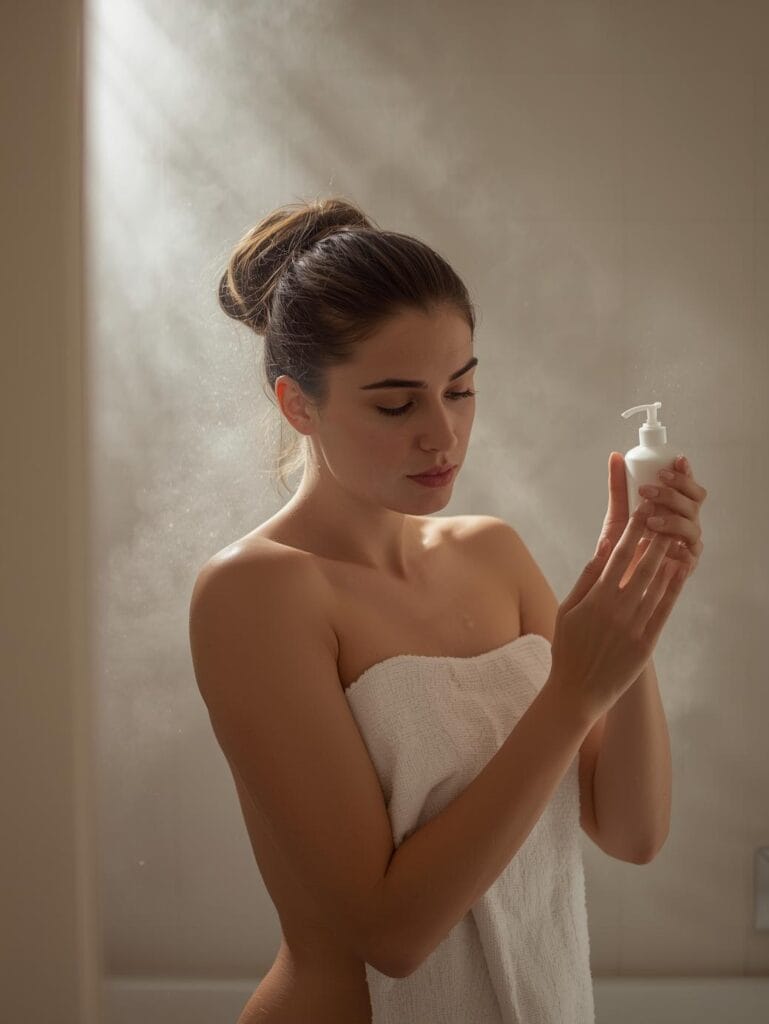
A long, hot shower may feel comforting after a freezing day, but it can cause significant moisture loss. Hot water melts away your skin’s protective oils, disrupting the lipid layer that keeps hydration sealed in.
What Happens to Your Skin
- Skin becomes tight and itchy after bathing.
- Natural oils are stripped, causing microcracks.
- The skin barrier weakens, leading to irritation and flaking.
How to Shower Smart
- Keep water lukewarm (around 37°C or 98°F).
- Use gentle, pH-balanced cleansers.
- Apply moisturizer immediately after showering to trap moisture.
- Add a few drops of body oil to your bath for extra nourishment.
Mistake #5 – Skipping Hydration and Nutrition
No skincare product can fully compensate for internal dehydration. Water intake directly influences how plump, elastic, and bright your skin looks. During winter, people often drink less water because they feel less thirsty — a mistake that affects both skin and overall health.
Hydration from Within
- Aim for 2 liters of water daily.
- Drink herbal teas like chamomile or green tea.
- Add electrolytes or fruit slices for better absorption.
Nutrition That Supports Winter Skin
- Omega-3 fatty acids (salmon, flaxseed) help maintain lipid balance.
- Vitamin E (almonds, avocado) protects against oxidative stress.
- Vitamin C (oranges, kiwis) boosts collagen production.

Building the Perfect Winter Skincare Routine
Creating a Winter Skincare routine doesn’t require a dozen products — just the right ones in the right order.
Morning Routine
- Hydrating Cleanser – Removes impurities without drying.
- Toner or Essence – Adds moisture and balances pH.
- Serum – Choose one with hyaluronic acid or niacinamide.
- Moisturizer – Rich and creamy formula.
- Sunscreen – Always finish with SPF.
Night Routine
- Cleanser – Double cleanse if you wear makeup.
- Treatment Serum – Retinol or peptides (optional).
- Night Cream or Face Oil – Lock in hydration overnight.
- Lip Balm – Prevents cracking and flaking.
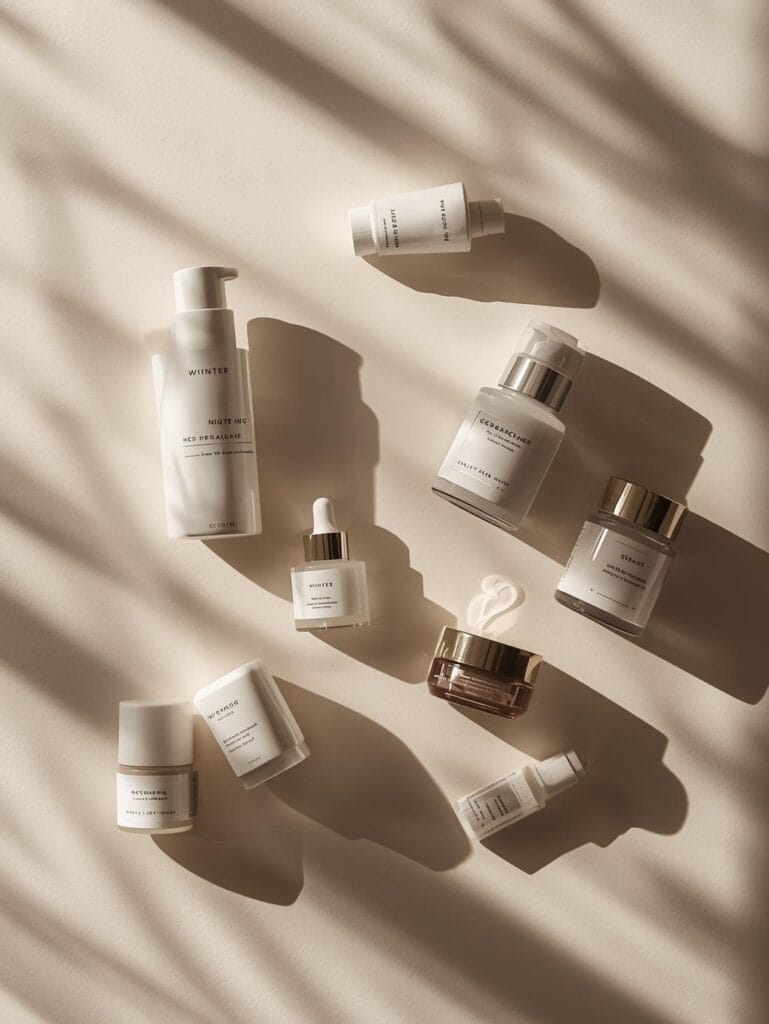
Pro Tips for Men and Sensitive Skin Types
Men’s skin tends to be thicker and oilier due to testosterone. However, winter can still lead to dryness, particularly after shaving.
For sensitive or rosacea-prone skin, avoid fragrance, alcohol, and harsh exfoliants. Use minimalist formulations with calming ingredients like aloe vera, centella asiatica, and colloidal oatmeal.

FAQs About Winter Skincare
Q1: How often should I exfoliate in winter?
Once or twice a week is ideal to avoid irritation and dryness.
Q2: Can oily skin skip moisturizer in winter?
No. Even oily skin needs hydration — choose a lightweight, non-comedogenic formula.
Q3: Should I use face oils in winter?
Yes, oils help seal in moisture and repair the barrier.
Q4: Is SPF necessary indoors?
Yes — UVA rays penetrate glass and screens.
Q5: How do I deal with flaky skin around my nose and mouth?
Exfoliate gently and apply a ceramide-rich balm twice daily.
Q6: What’s the best winter skincare routine for acne-prone skin?
Focus on hydration and barrier repair — avoid over-drying cleansers and use niacinamide or salicylic acid sparingly.
Embrace Healthy, Hydrated Winter Skin
The cold months don’t have to mean dry, dull skin. With the right Winter Skincare strategy — gentle cleansing, consistent moisturizing, balanced exfoliation, and internal hydration — you can keep your skin glowing, soft, and resilient all season long.
Remember: skincare is self-care. Treat your skin with patience and attention, and it will reward you with year-round radiance.
If you’re looking to recreate this entire skincare routine with dermatologist-trusted products, visit eCosmetics – Skincare Collection.
EXPLORE MORE & SHINE DAILY
Discover self-care rituals, glow-enhancing routines, and beauty favorites in our BEAUTY section.
For cozy home inspiration, mindful routines, and soft everyday living, explore HOME & LIFESTYLE.
Find feminine outfits, effortless style ideas, and modern fashion inspiration in FASHION.
Love curated outfits and shoppable inspiration? Visit SHOP THE LOOK to recreate your favorite styles.
Looking for thoughtful ideas for every occasion? Browse our curated GIFT GUIDES.