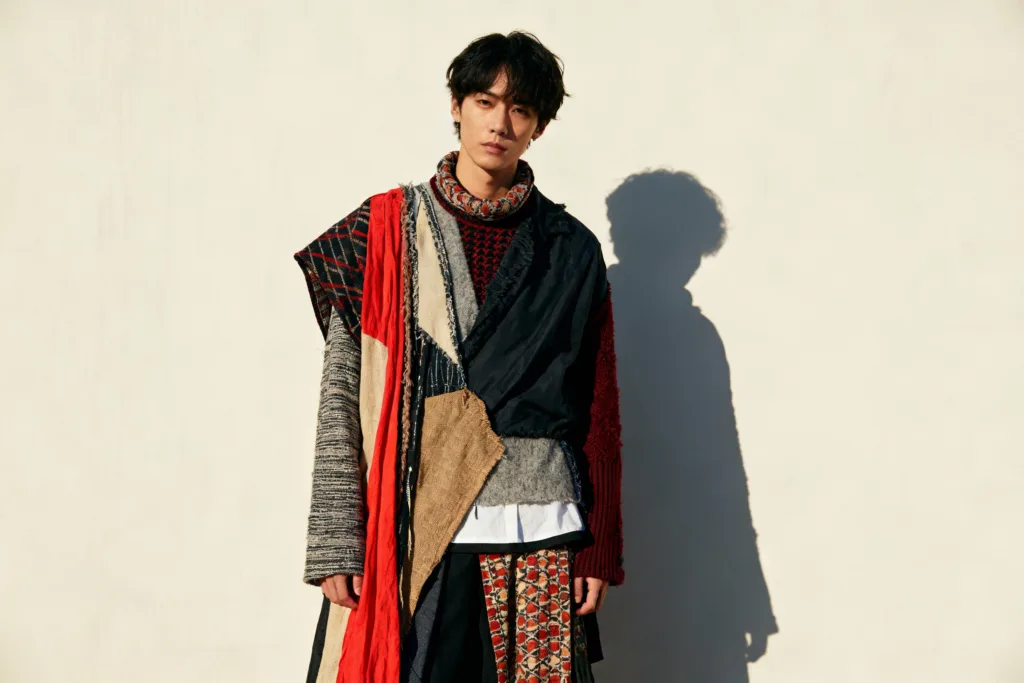
Style isn’t about pleasing a faceless crowd. It’s about choosing what you wear on purpose and letting your clothes speak before you do. When you dress with intention, you write your story with fabric, color, and texture. No, you don’t need a stylist or a closet that looks like a chic boutique—just a little clarity and a tiny bit of courage.
Why Intentional Style Beats “Good Taste”
“Good taste” changes every ten minutes. Your intention doesn’t. When you pick pieces that feel like you, you stop chasing trends and start building identity. That’s the whole point.
Intentional style means you:
- Know your why: comfort, creativity, professionalism, all three—be honest.
- Choose on purpose: no default outfits you hate.
- Edit ruthlessly: if it doesn’t serve your life or your vibe, it goes.
Sound bossy? Maybe. But this frame frees you from the “Is this cool?” spiral. You decide what’s cool for you—FYI, that’s the only taste that matters.
Start With Your Story
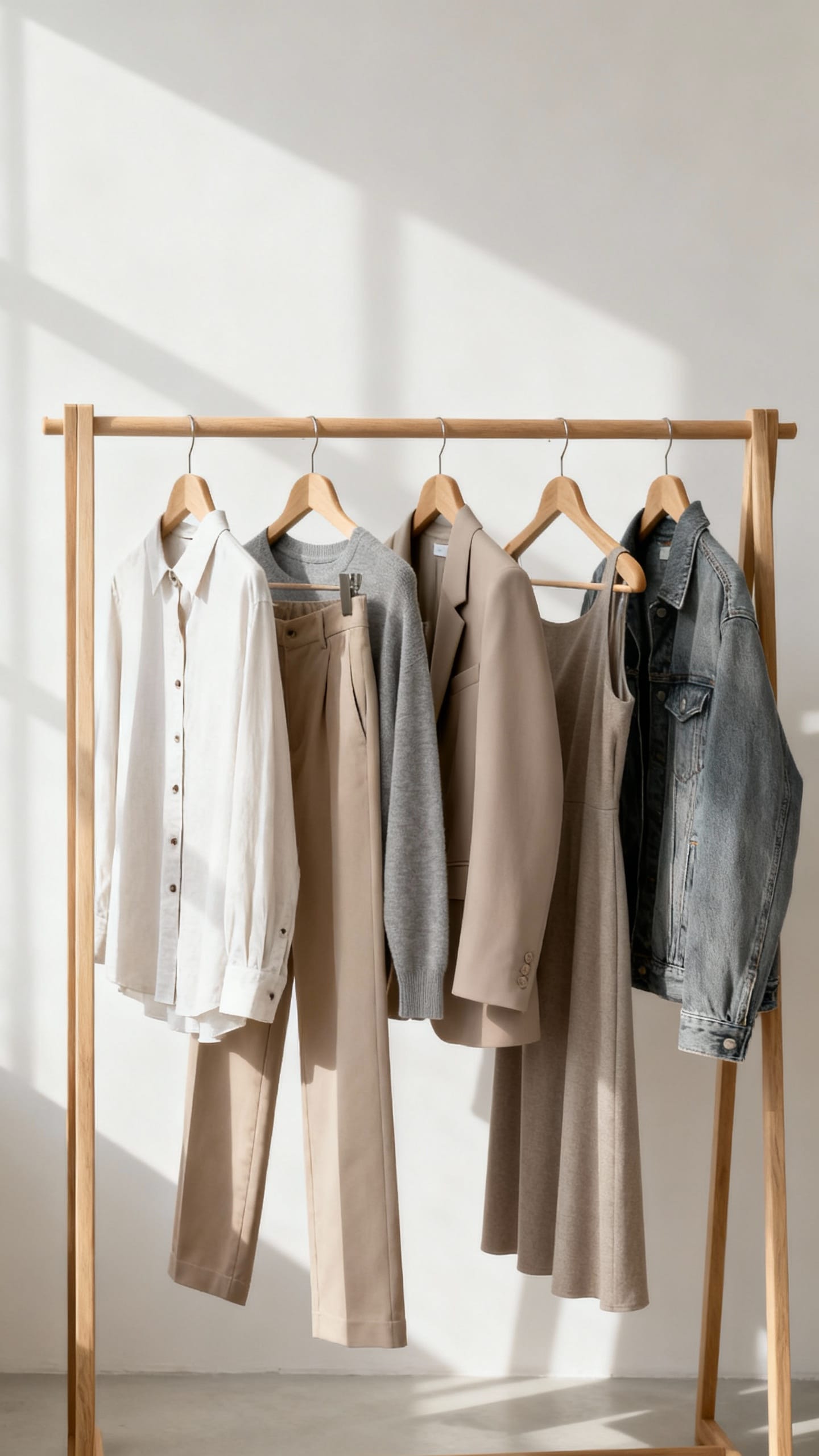
Clothes can carry your mood, values, and ambitions. Pick a few words that you want your outfits to say.
- Three-word compass: Choose three words (e.g., “artful, grounded, sharp”). Use them as a filter when you shop or get dressed.
- Season of life: New job? Parenting? Traveling? Your style should flex with your reality.
- Identity anchors: A signature element—like gold hoops, vintage sneakers, a blazer—can glue everything together.
Build a Style Moodboard (Without the Overwhelm)
Skip the rabbit hole. Spend 20 minutes:
- Pin 10 outfits you love—ignore price tags.
- Notice repeats: colors, silhouettes, textures.
- Write your observations: “I like wide-leg pants, clean lines, navy + camel, one bold accessory.”
That list becomes your shopping cheat sheet and your morning checklist.
Fit and Feel: The Two Non-Negotiables
No styling trick beats a great fit and the right fabric. If it pinches, pulls, or pokes, it won’t feel like you—no matter how cute.
- Tailoring is magic: Hem pants. Nip waists. Shorten sleeves. A $60 alteration can make a $60 jacket look like $600.
- Fabric first: If it’s itchy, clingy, or sweaty—even on the hanger—hard pass.
- Movement check: Sit, reach, walk. If you move like a robot, it’s a no.
Silhouette 101: Know Your Go-To Shapes
Create balance with one simple rule: pair volume with structure.
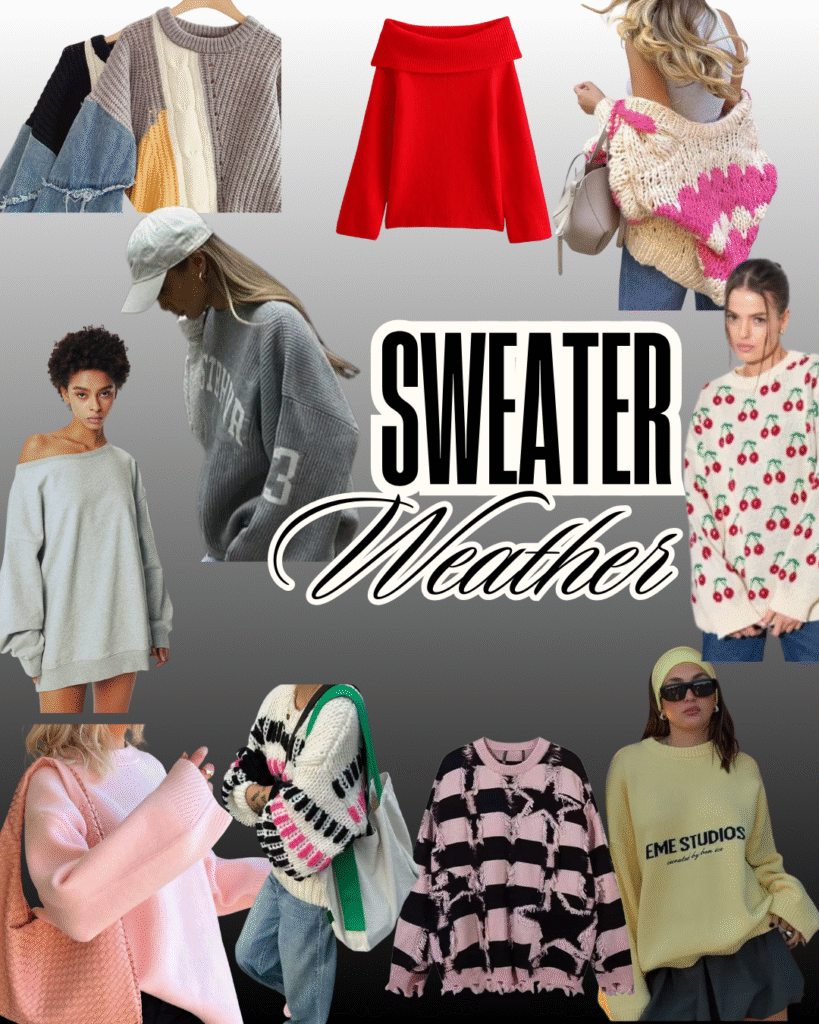
- Voluminous top + fitted bottom (oversized sweater + slim jeans).
- Fitted top + wider bottom (tank + wide-leg trousers).
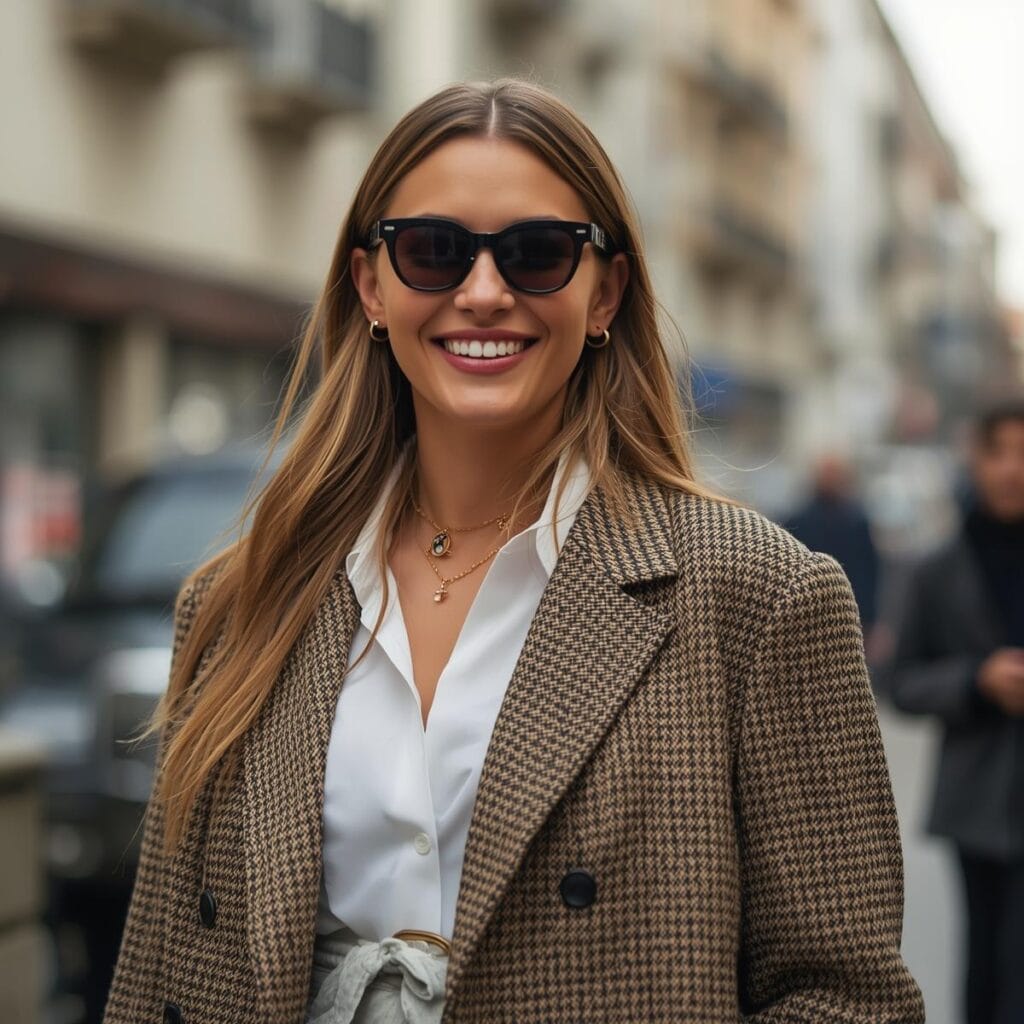
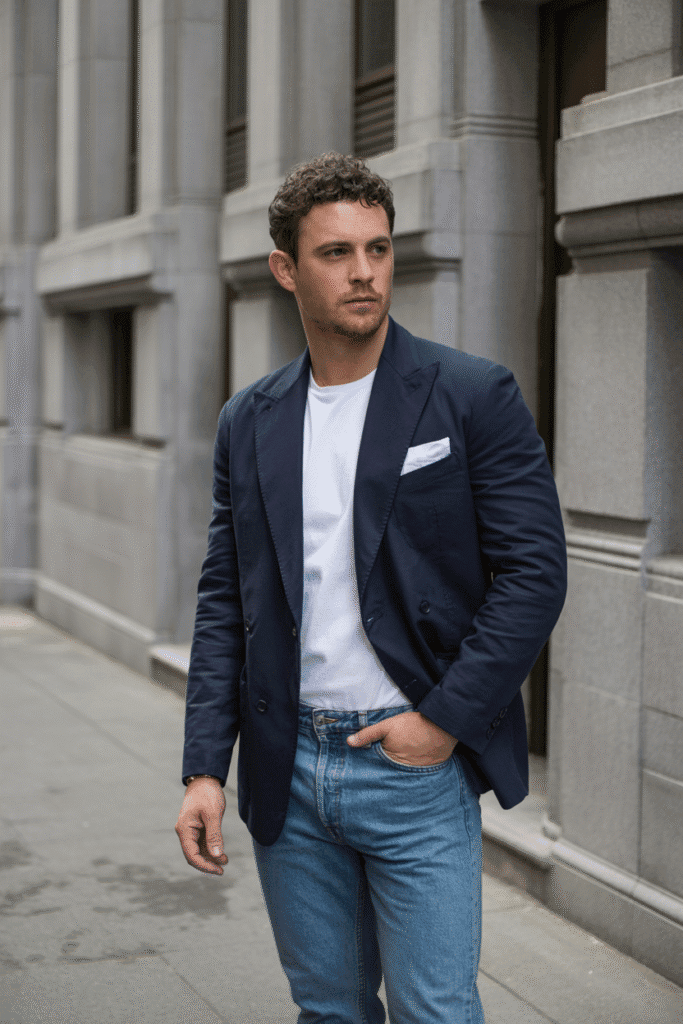
- Structured layer + soft base (blazer over tee and flowy skirt).
Once you find your silhouette sweet spot, half your “What do I wear?” battles evaporate.
Color That Says What You Mean
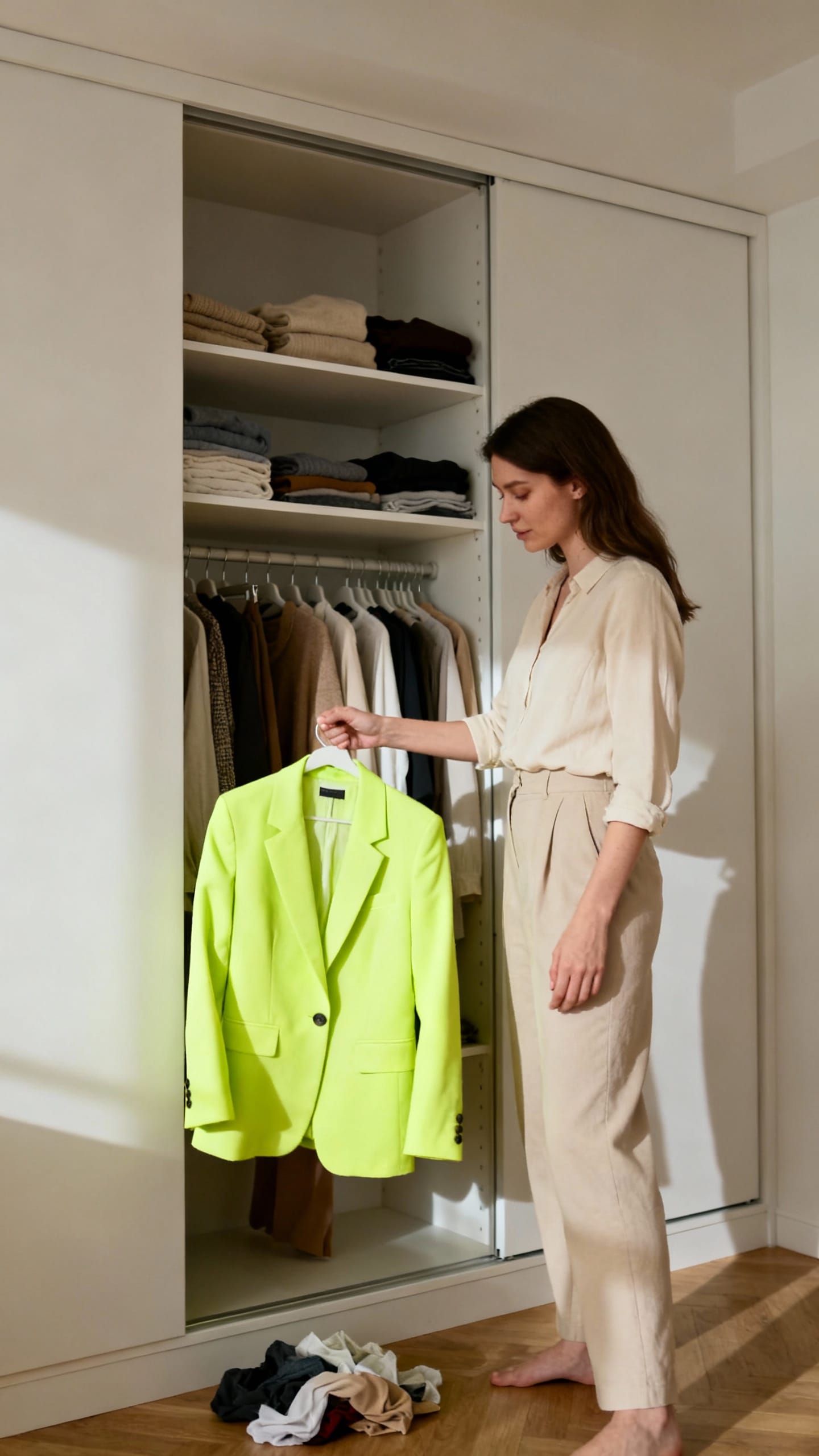
Color talks. Loudly. Use it to set your mood and message.
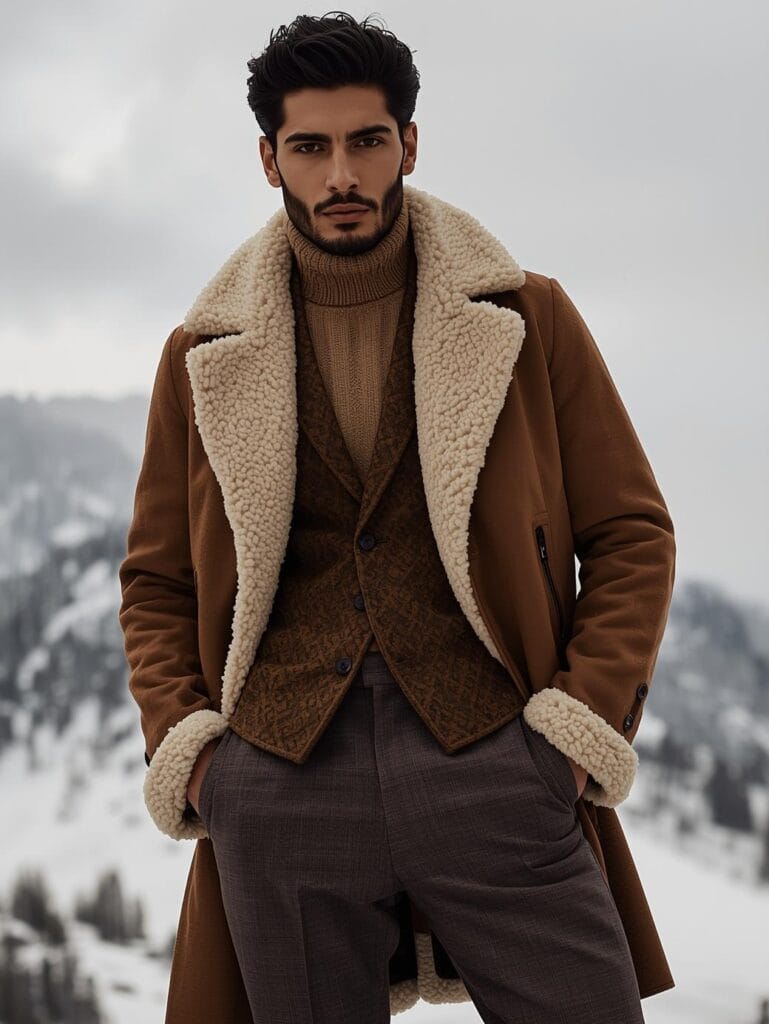
- Neutrals as home base: Black, navy, charcoal, tan, olive—these create cohesion.
- Signature colors: Pick 1–3 shades that flatter you and repeat them. Think “ink blue, rust, cream.”
- Contrast strategy: High contrast (black + white) feels bold. Low contrast (beige + cream) feels calm and luxe.
Easy Color Formulas
- Monochrome: One color, different shades. Cheating at elegance, basically.
- Analogous: Neighbors on the color wheel (blue + teal + green). Comfortable and cohesive.
- Pop method: Neutral outfit + one bright accessory. Hello, red bag.
Capsule, But Make It Personal
Capsules get a bad rap because people make them boring. You can curate a tight wardrobe that still screams “you.”
- Core 12: 3 tops, 3 bottoms, 2 shoes, 2 layers, 2 wild cards. All mix and match.
- Texture mix: Denim, leather, silk, cotton—variety keeps basics interesting.
- Functional reality check: If you work from home, you don’t need five blazers. If you bike to work, maybe skip the pencil skirts.
Shop Smarter, Not More
Before buying, ask:
- Can I style this three ways with what I own?
- Does it fit my three-word compass?
- Will I wear it at least once a week this season?
If you can’t answer yes to two of those, leave it. Your wallet and closet will thank you.
Accessories: Your Secret Narrators
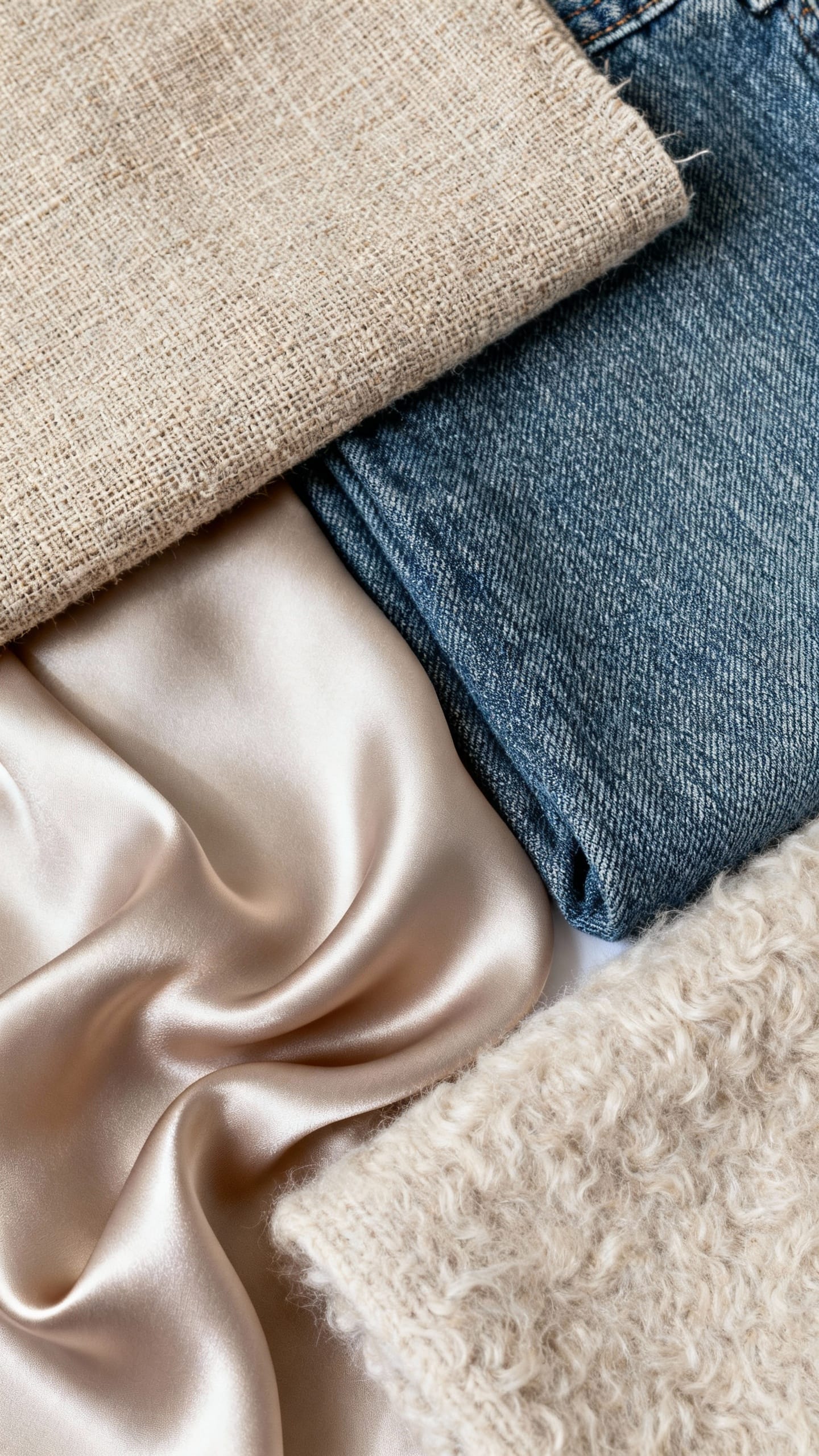
Accessories tell on you—in a good way. They reveal your personality without shouting.
- Jewelry: Pick a metal and a vibe (dainty, sculptural, chunky). Repeat it.
- Bags and shoes: Choose them like you pick friends—fewer, better, reliable.
- Belts, hats, scarves: The small tweaks that make outfits intentional, not accidental.
How to Edit Without Losing Joy
Keep a small tray or hook area with your go-to pieces. Rotate seasonally. This creates a “signature set” that rescues you when you’re tired or rushed (so, like, every Monday).
Dress for the Room, Not the Rules
Context matters. But you still get to be you.
- Work: Choose sharper fabrics and cleaner lines. Sneak in personality with shoes, color, or silhouette.
- Social: Dial up texture and contrast. Add one conversation piece.
- Travel: Wrinkle-resistant, layer-able, comfortable. Shoes you can actually walk in, please.
IMO, the best-dressed people read the room and then tweak the volume—never the channel.
Care, Repair, Repeat

An intentional wardrobe earns intentional care. You’ll extend the life of your favorites and keep your look crisp.
- Maintenance kit: Lint roller, fabric shaver, steamer, leather balm, sewing kit.
- Washing strategy: Cold water, air dry when possible. Read labels (yes, really).
- Tailor + cobbler: Re-sole boots, mend seams, replace buttons. It’s greener and cheaper long-term.
FAQ
How do I find my style if I like a bit of everything?
Create lanes. Pick two or three style “moods” (e.g., sporty minimalist, vintage casual, clean corporate) and build small outfit formulas for each. Keep crossover pieces—like a white tee, tailored trousers, or simple sneakers—that blend lanes. You get variety without chaos.
What if my job has a strict dress code?
Work within the silhouette and color constraints, then inject subtle identity. Try textured knits, interesting but neutral shoes, or a signature watch. Also, perfect fit becomes your personality when color and prints must stay quiet.
How do I stop impulse shopping?
Use a wishlist with a cooling-off rule—wait 72 hours. Compare each item to your three-word compass and your existing wardrobe. If it still passes after the wait and you can style it three ways, go for it. If not, you dodged clutter.
I love bold prints but feel overwhelmed wearing them. Help?
Start small: printed scarf, socks, or bag. Then try one printed piece with solid basics. Keep accessories minimal. When in doubt, choose prints within your color palette so they blend rather than shout.
Do I need to follow trends to look current?
Nope. Choose trends that support your story. One modern element—shoe shape, denim cut, or a color—keeps your look fresh without rewriting the whole wardrobe. Think of trends as seasoning, not the meal.
How many “statement” pieces should I own?
Enough to rotate without boredom, not so many that nothing goes together. For most people, 3–6 per season works: a jacket, a shoe, a bag, a bold knit, maybe a wild card. Let them play with your core basics.
Conclusion
Dressing with intention doesn’t demand perfection—it asks for presence. You choose pieces that reflect your life, your taste, and your goals, then edit the noise. Build your compass, honor fit and fabric, and let accessories narrate your vibe. The result? A wardrobe that speaks fluently in “you,” IMO the most stylish language there is.
EXPLORE MORE & SHINE DAILY
Discover self-care rituals, glow-enhancing routines, and beauty favorites in our BEAUTY section.
For cozy home inspiration, mindful routines, and soft everyday living, explore HOME & LIFESTYLE.
Find feminine outfits, effortless style ideas, and modern fashion inspiration in FASHION.
Love curated outfits and shoppable inspiration? Visit SHOP THE LOOK to recreate your favorite styles.
Looking for thoughtful ideas for every occasion? Browse our curated GIFT GUIDES.