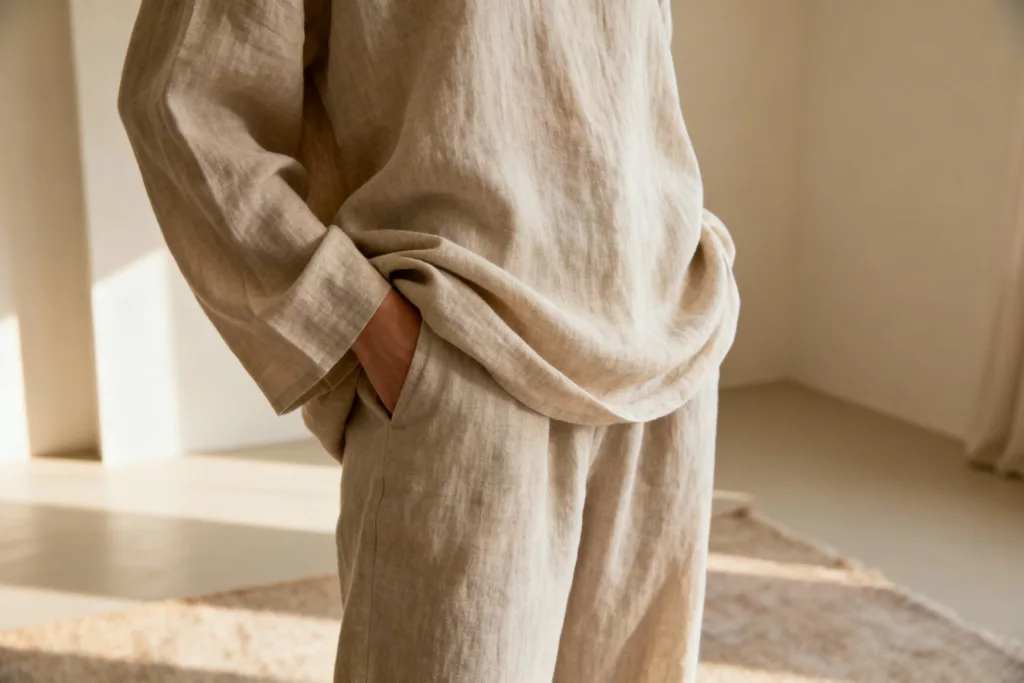
We all pretended for years that stiff jeans and scratchy blazers “built character.” They didn’t. They built chafing. The truth? Clothes should feel good, or we won’t wear them. Comfort isn’t a trend anymore—it’s the new baseline, and the rest of fashion is playing catch-up.
Comfort Won the Culture War
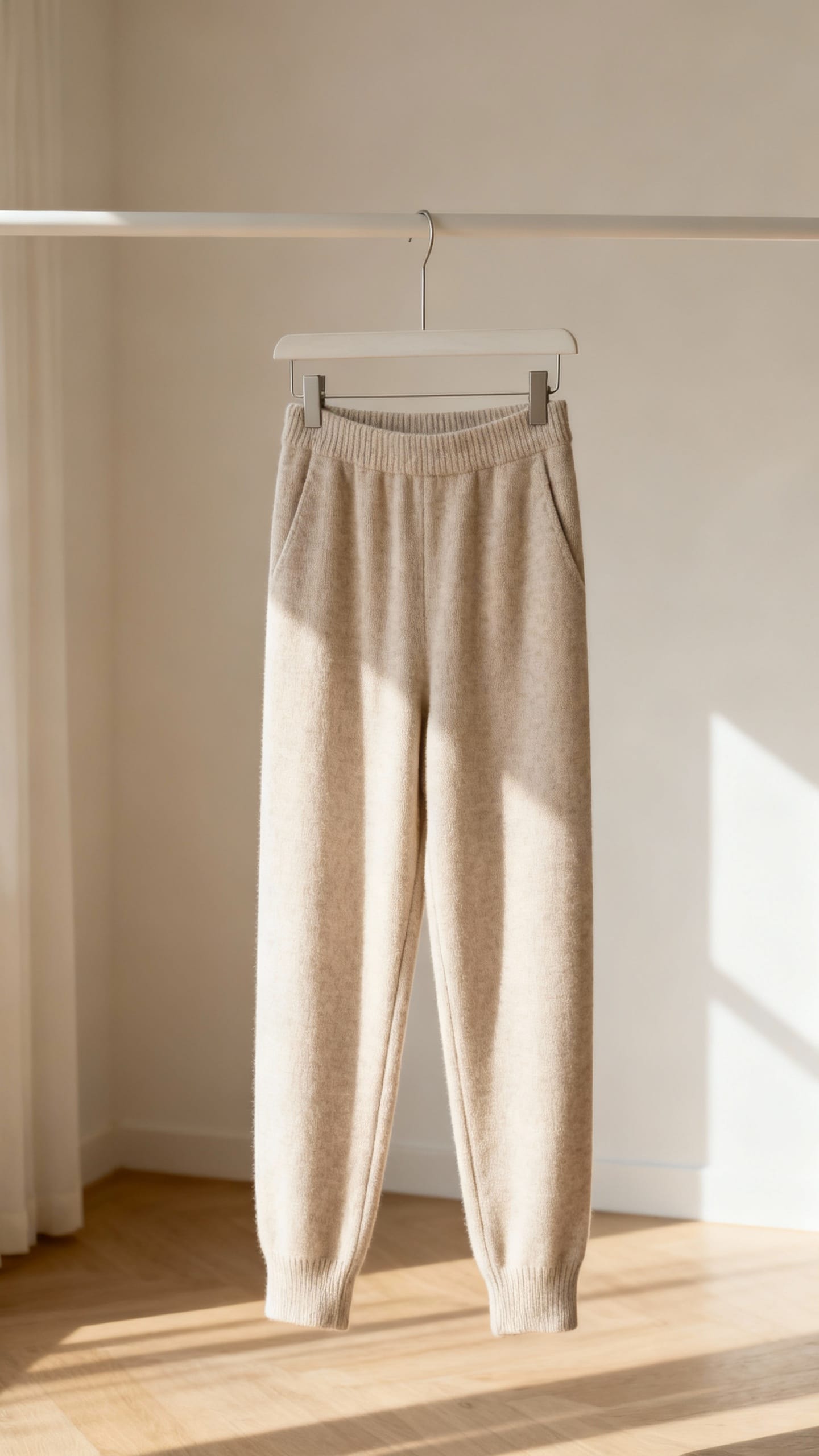
We traded pencil skirts for stretch waistbands and never looked back. Once people realized they could look decent and feel amazing, the old rules fell apart. Streetwear, athleisure, and “office casual” merged into one wearable universe.
The momentum didn’t come from one brand or celebrity. It came from real life. Work, errands, flights, coffee dates—everything blurs together now, so our clothes need range.
Why Comfort Feels Like Luxury (Because It Is)
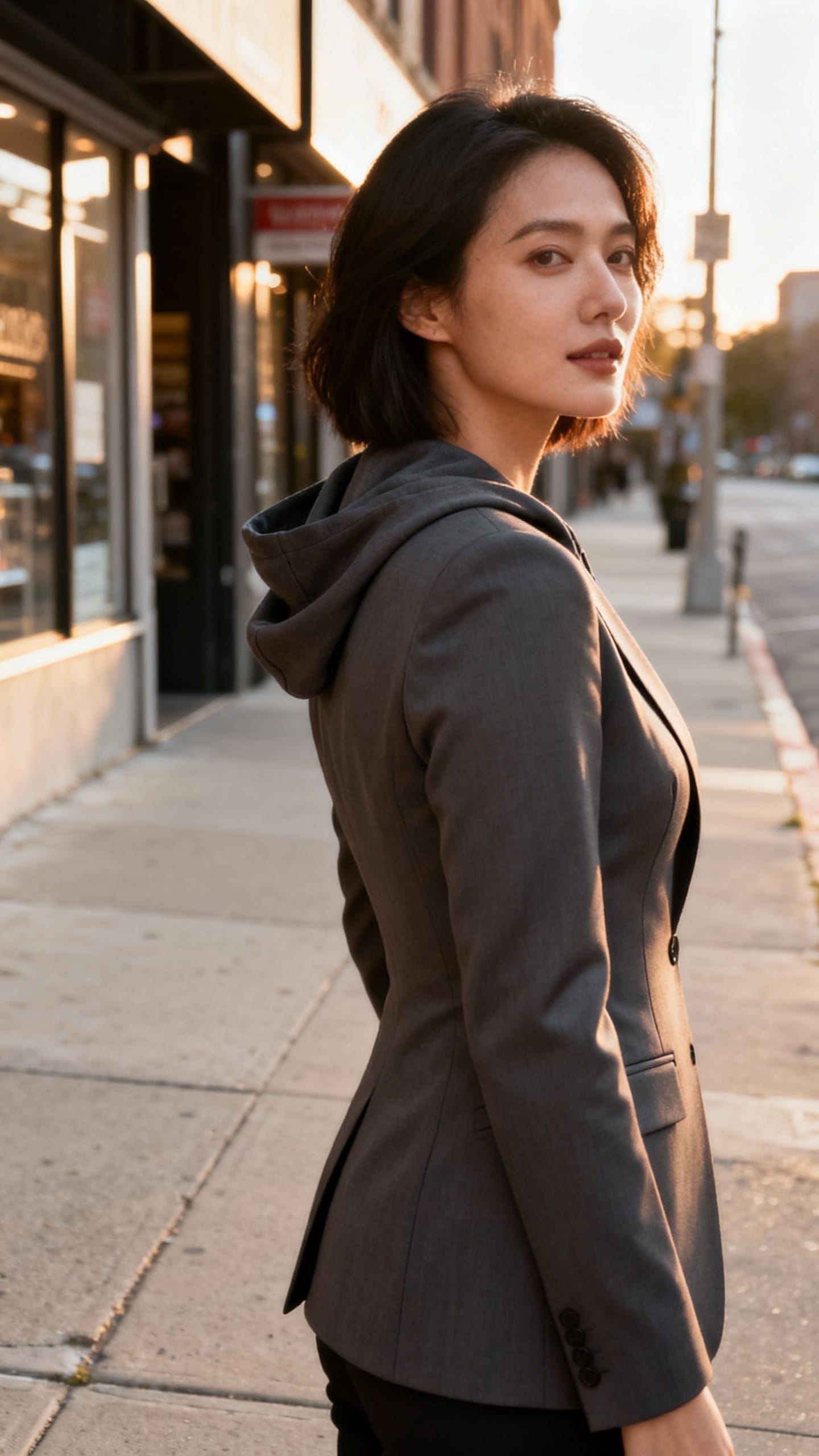
We used to equate luxury with precious fabrics you couldn’t move in. Now, luxury means you forget you’re wearing anything. Comfort equals quality, not laziness. If a shirt itches, it fails. If shoes pinch, they belong in a museum of bad decisions.
What “Comfort” Actually Means
Let’s define it like adults:
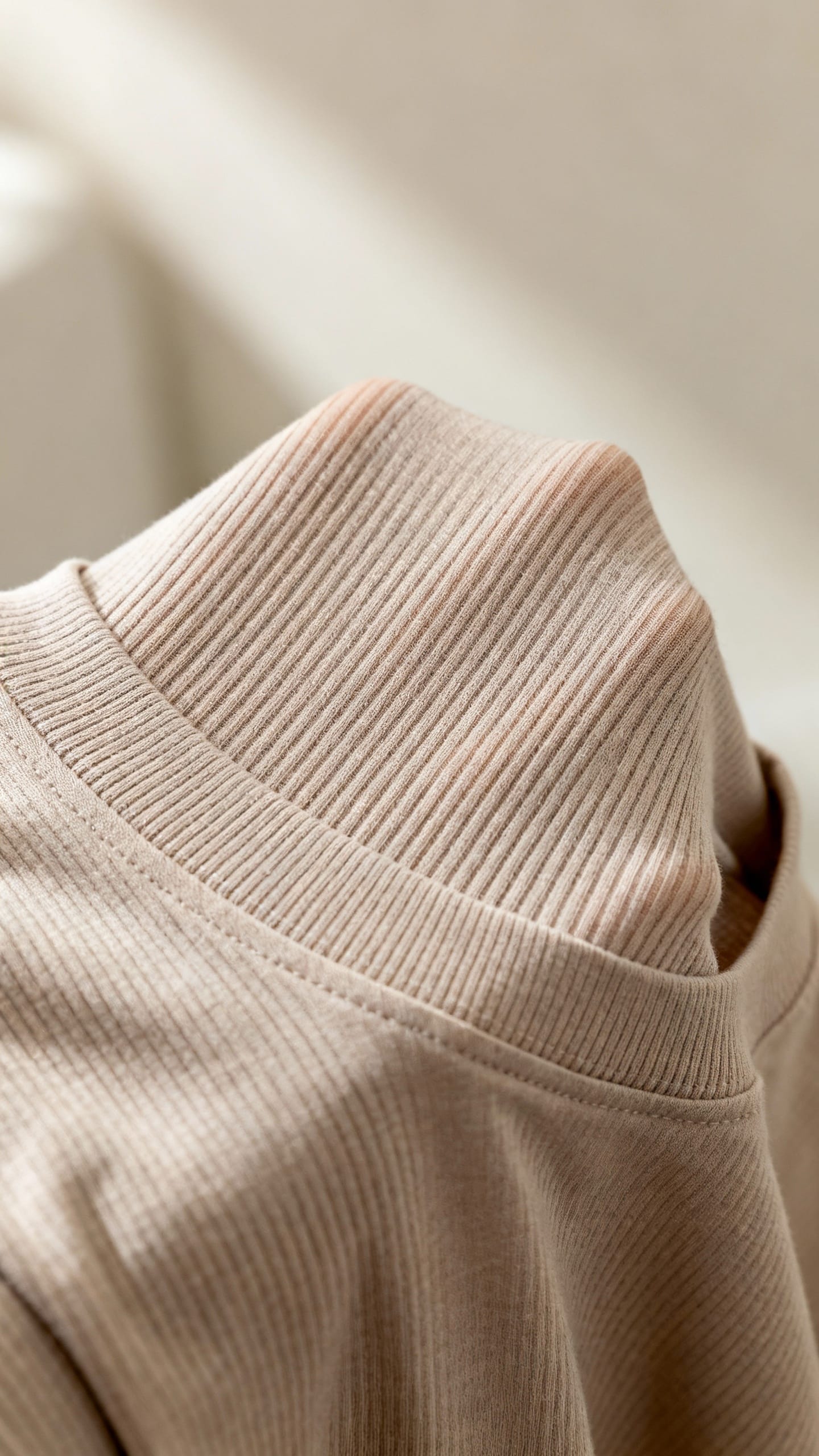
- Soft, breathable fabrics: Cotton blends, bamboo, modal, merino, and Tencel keep you cool and comfy.
- Stretch that recovers: Elastane that snaps back, not leggings that sag by noon.
- Smart shaping: Gussets, darts, and curved seams support your body instead of fighting it.
- Weight and drape: Fabric that hangs well and moves with you, not against you.
FYI: If a garment needs “breaking in,” it’s already behind.
The Tech That Makes Cozy Look Chic
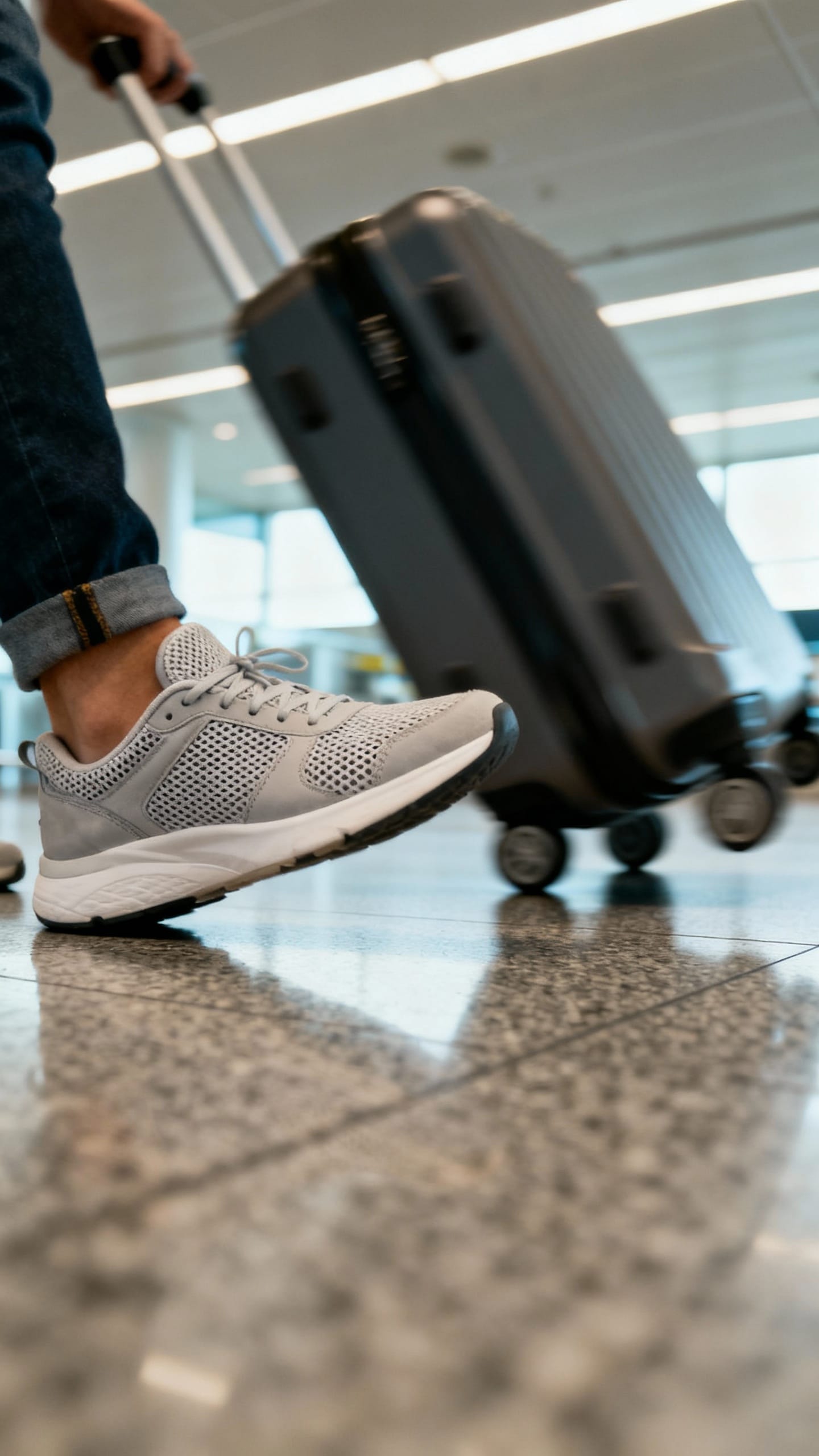
Comfort doesn’t mean sloppy. It means innovation. Designers obsess over tiny details so you don’t have to think about them.
Fabric Tech You Actually Want
- Mechanical stretch: Woven fabrics that stretch without spandex, so they look crisp but move freely.
- Knit suiting: Blazers made from ponte or jersey that pass the Zoom test and the commute test.
- Temperature control: Merino that regulates heat, breathable membranes that repel rain without the sauna effect.
- Anti-odor finishes: Less laundry, more life. Yes, science can smell your gym bag and decided to help.
Design Tricks That Matter
- Hidden elastic: Waistbands that flex discreetly—no one needs to know.
- Articulated knees and underarm panels: Move naturally, no stiff arms or ripped seams.
- Minimal seams: Fewer friction points, cleaner lines.
Workwear Quietly Changed While You Blinked
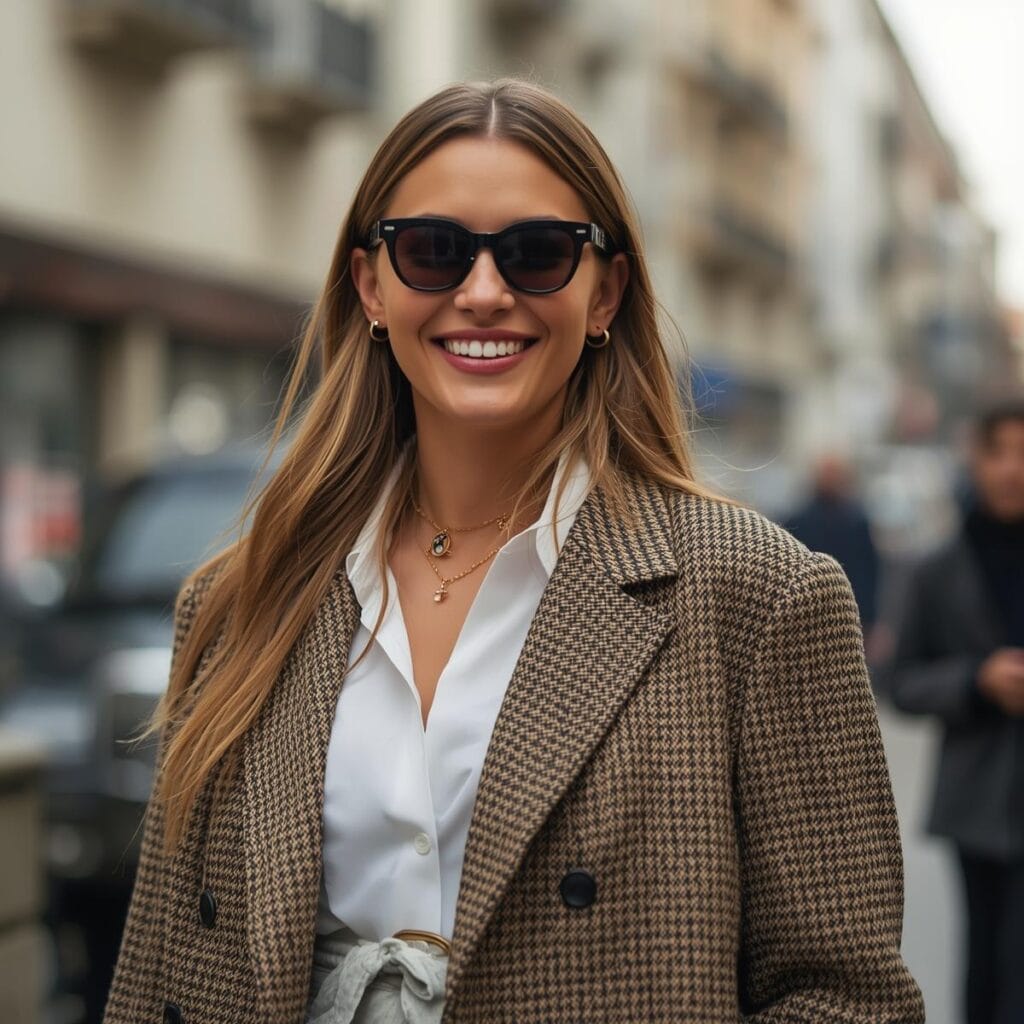
Remember “business formal”? Same. Now the uniform looks like: tailored joggers, knit blazers, polished sneakers, and button-downs with stretch. We still respect the room—we just respect our joints too.
How to Dress Comfortable and Still Look Sharp
- Upgrade fabrics: Choose premium knits over cheap cotton. They drape better and won’t bag out.
- Keep structure: A structured collar or clean shoulder line elevates relaxed pieces.
- Pick one “ease” item: Balance a relaxed pant with a crisp top, or vice versa.
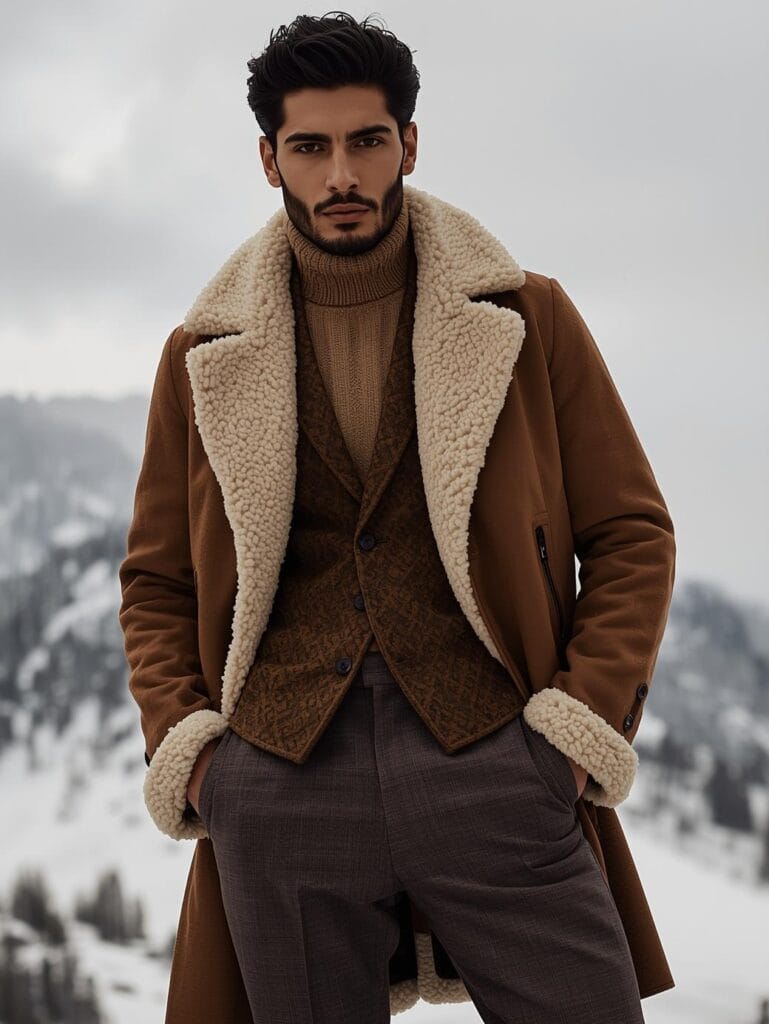
- Monochrome magic: Same color family = instant polish, even with sweatshirts.
IMO, the sweetest hack is a pair of well-cut trousers in stretch wool. They feel like pajamas, look like meetings.
The Psychology: Confidence Loves Comfort
Ever tried to pitch an idea while your shoes gnaw your heels? Hard pass. When you feel physically at ease, your brain frees up bandwidth. Comfort boosts presence. It helps you speak smarter, move better, and act more like yourself.
We also reject styles that don’t reflect us. Clothes shouldn’t punish us for existing. Inclusive sizing, adaptive features, and flexible fits feel normal now—and that’s progress we shouldn’t roll back.
Identity, Not Dress Codes
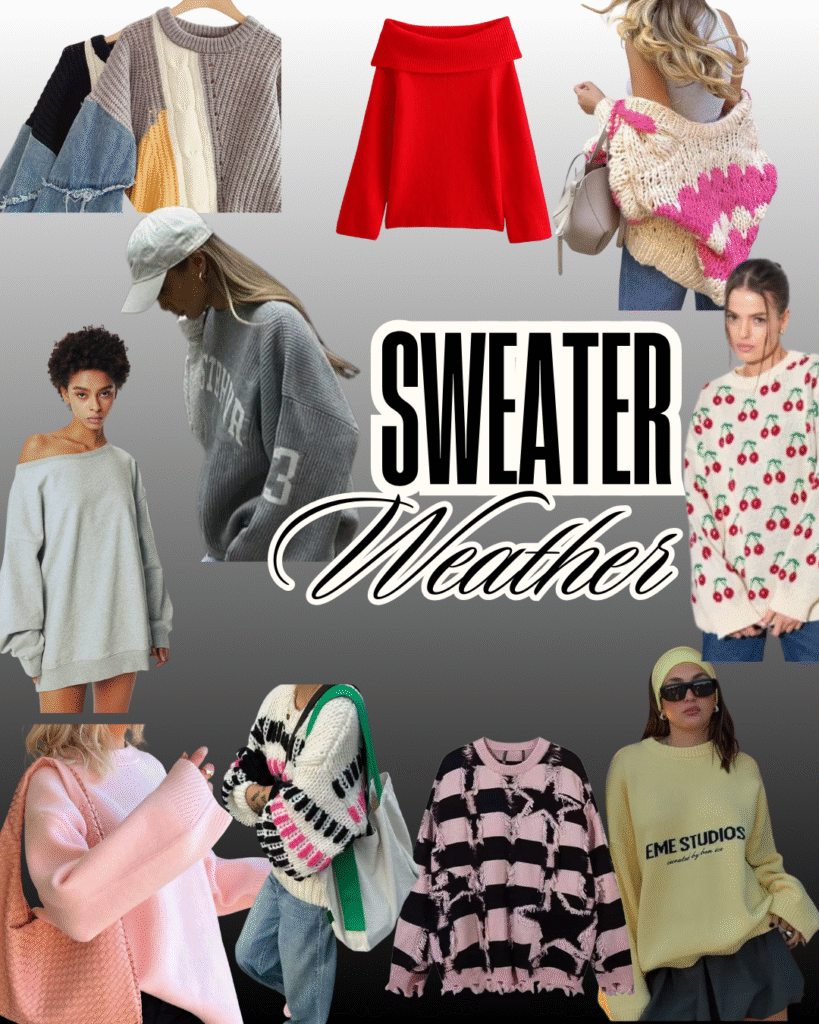
People express themselves with texture, proportion, and color instead of stiff formal wear. A chunky knit with tailored pants says “I care, but I also like oxygen.” You can be serious about your work without dressing like a courtroom extra.
Sustainability Loves Longevity
Short-lived clothes create waste. Comfortable, durable pieces get reworn—constantly. Comfort encourages repeat wears and slower consumption.
What to Look For If You Care About the Planet
- Durable knits: Tighter stitch density = fewer holes and less pilling.
- Natural or low-impact fibers: Organic cotton, Tencel, merino, recycled nylon.
- Repairability: Bar-tacked stress points, extra buttons, accessible seams.
- Versatility: Pieces that layer and dress up or down earn a permanent closet spot.
Sustainable comfort doesn’t mean beige sacks. It means better engineering and smarter buys.
How to Build a Comfort-First Closet (Without Looking Like You Gave Up)
No, you don’t need a full wardrobe overhaul. Just tweak your core pieces.
Start With These Upgrades
- Bottoms: Swap rigid denim for stretch denim or soft twill. Add one pair of knit trousers.
- Tops: Keep a rotation of breathable tees, a polished knit polo, and a stretch button-down.
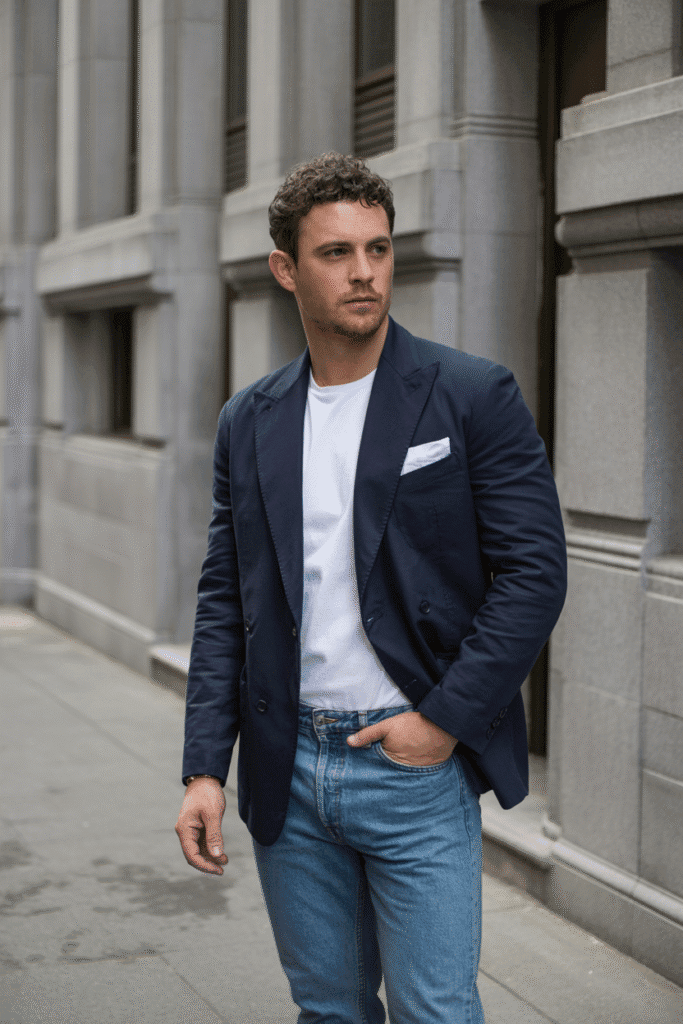
- Layering: A knit blazer or chore jacket beats a stiff blazer for 80% of scenarios.
- Shoes: Cushioned insoles, wider toe boxes, and flexible soles. Dress sneakers count now—welcome to 2026.
- Underlayers: Don’t sleep on comfort here. Seamless, moisture-wicking, no-ride cuts change your day.
Fit Rules You Can Steal
- Room where you bend: Knees, seat, shoulders, underarms—check mobility first.
- Skim, don’t squeeze: Tailored, not tight. Let the fabric drape.
- Mind the rise and rise again: Pants that sit right won’t fight your torso every time you sit down.
FYI: Tailoring isn’t just for suits. Hem joggers, taper sweats, and you’ll look custom without the cost.
FAQs
Does comfortable clothing always look casual?
Not at all. You can find structured pieces made with knit or stretch fabrics that look sharp. A knit blazer over a crisp tee reads modern, not sloppy. The trick is clean lines and quality materials.
How do I keep soft fabrics from looking worn out?
Wash cold, air dry when possible, and use a fabric shaver on pills. Choose tighter knits and blended fibers with strong recovery. Store sweaters folded, not hung, so they don’t sag.
What shoes work for a comfort-first wardrobe?
Look for cushioned insoles, flexible soles, and breathable uppers. Dress sneakers, refined loafers with soft leather, and lightweight boots all work. Avoid narrow toe boxes unless you enjoy pain, which—why?
Can I dress comfortably for formal events?
Yes. Choose suiting with stretch, satin-lined jackets, and shirts with a hint of elastane. Women can opt for knit dresses with structure or jumpsuits with wide legs. Comfortable heels exist—block heels, cushioned footbeds—start there.
Is athleisure still “in” or are we moving on?
We absorbed it. Athleisure morphed into everyday style. Expect performance fabrics in normal clothes now—trousers, blouses, even outerwear. IMO, the hybrid is here to stay.
What’s the biggest mistake people make with comfort dressing?
Confusing oversized with effortless. Oversized can work, but proportion still matters. Balance volume—loose on top, fitted on bottom, or vice versa—and keep your shoes and accessories intentional.
Conclusion
Comfort isn’t a phase; it’s the foundation. We want clothes that move with us, flatter us, and—radical idea—don’t hurt. Designers finally caught up, tech made it possible, and we voted with our wallets. Dress like you have places to go and a body that deserves kindness. The future looks good—and it feels even better.
EXPLORE MORE & SHINE DAILY
Discover self-care rituals, glow-enhancing routines, and beauty favorites in our BEAUTY section.
For cozy home inspiration, mindful routines, and soft everyday living, explore HOME & LIFESTYLE.
Find feminine outfits, effortless style ideas, and modern fashion inspiration in FASHION.
Love curated outfits and shoppable inspiration? Visit SHOP THE LOOK to recreate your favorite styles.
Looking for thoughtful ideas for every occasion? Browse our curated GIFT GUIDES.