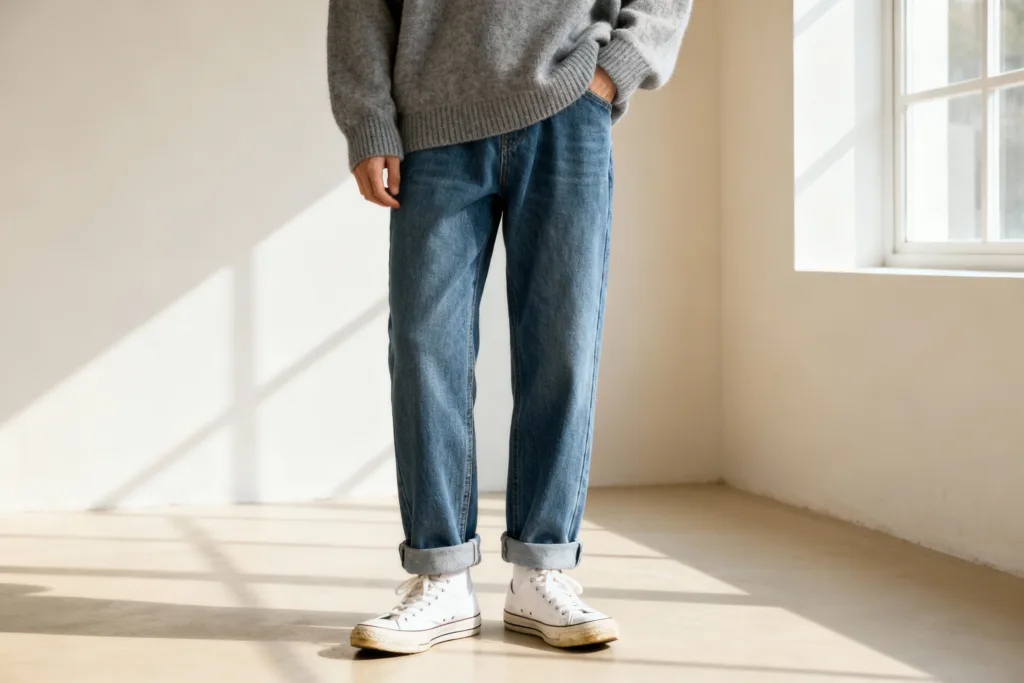
You know that feeling when you open your closet and immediately want to fake an emergency? Yeah, same. Creating a personal uniform fixes that. It shrinks decision fatigue, makes you look put-together on autopilot, and saves you from the “what do I even wear” spiral. No, it’s not boring. It’s freeing. Let’s build one you’ll actually love.
Why a Personal Uniform Works (and Doesn’t Make You a Robot)
Uniforms get a bad rep. People think sameness equals dullness. Spoiler: it doesn’t.
A personal uniform gives you a reliable style formula you can repeat without feeling repetitive. Think fewer choices, stronger identity, and more compliments.
Plus, you’ll spend less money on random trend-chasing and more on pieces you actually wear. Your future laundry self says thanks.
Define Your Style North Star
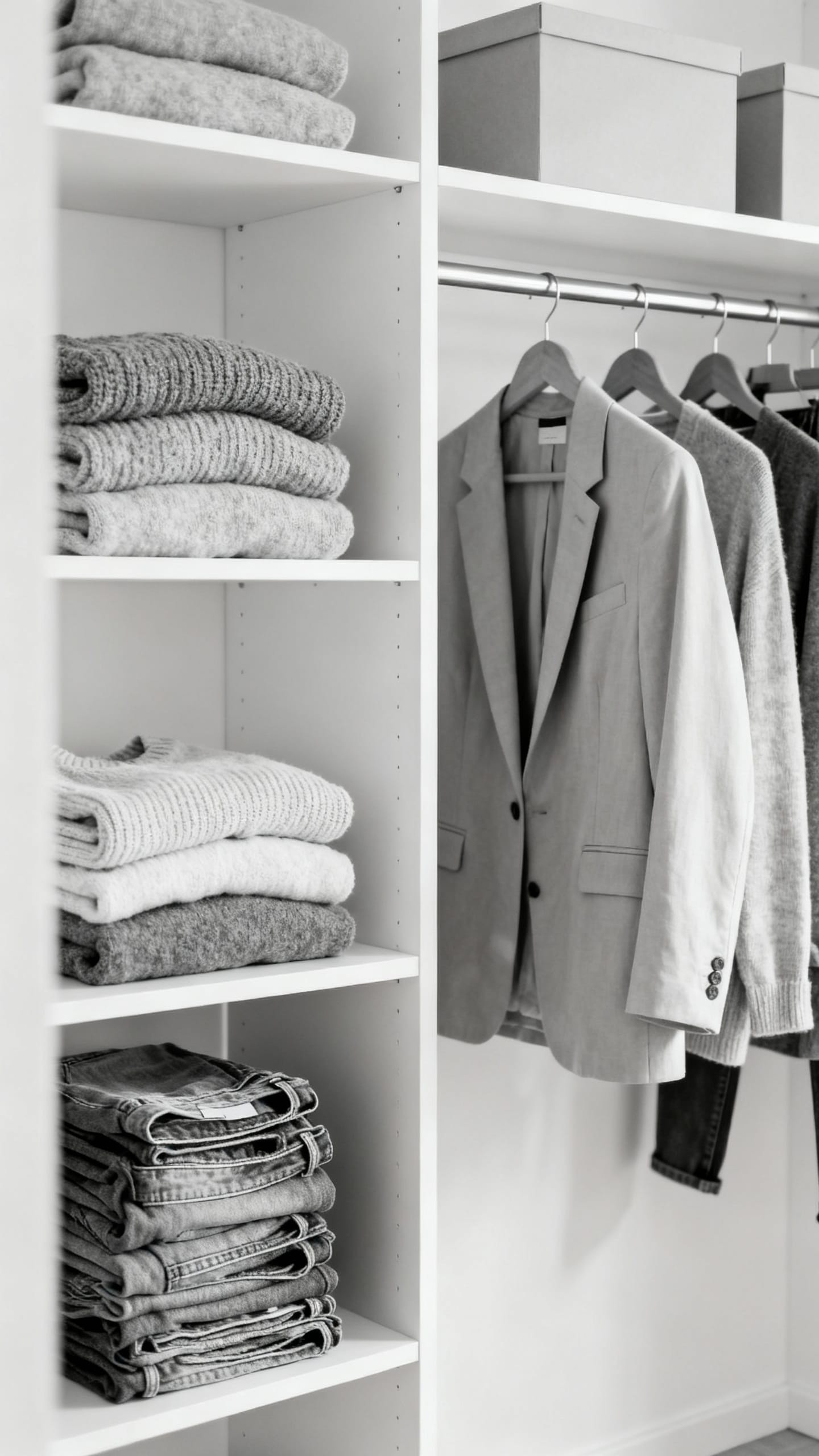
Before you build anything, decide where you’re heading. What vibe feels most you?
– Pick three words that describe your ideal look. Examples: “clean, relaxed, functional” or “bold, polished, minimal.”
– Collect 10 images that match those words. Screenshots, pins, celebs, that one stylish cousin—pile them up.
– Spot the overlaps. Do you keep saving dark jeans? White sneakers? Structured blazers? That’s your pattern.
Try the Lifestyle Audit
You can’t build a uniform for imaginary you. Audit real life.
– Where do you spend most of your week? Office, home, studio, school?
– What temperature do you live in? Humidity wrecks hair and also fabrics.
– Any dress codes to dodge or work with? Formal Fridays are a thing in some places (tragic, IMO).
Choose Your Core Silhouette
Your uniform starts with one silhouette. Not ten. One.
– Top length + bottom shape: Fitted top + wide pants? Relaxed tee + straight jeans? Cropped jacket + high-rise skirt?
– Proportions matter. Decide where you want volume and where you want structure.
– Commit to your favorite combo and build around it.
Quick Silhouette Recipes
– Clean Minimal: structured tee + straight-leg jeans + white sneakers
– Soft Utility: overshirt + tapered pants + lug sole boots
– Smart Casual: knit polo + pleated trousers + loafers
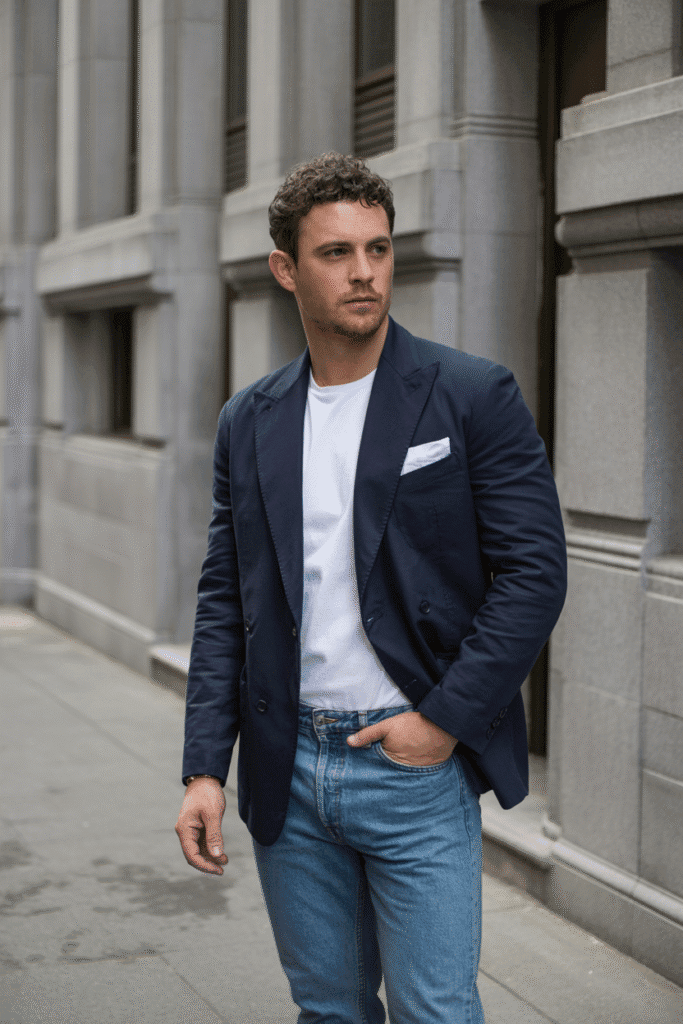
– Creative Classic: boxy blazer + black tee + cropped wide-leg pants
– Sporty Chic: half-zip + leggings + sleek trainers
Pick a Palette You Can Actually Maintain
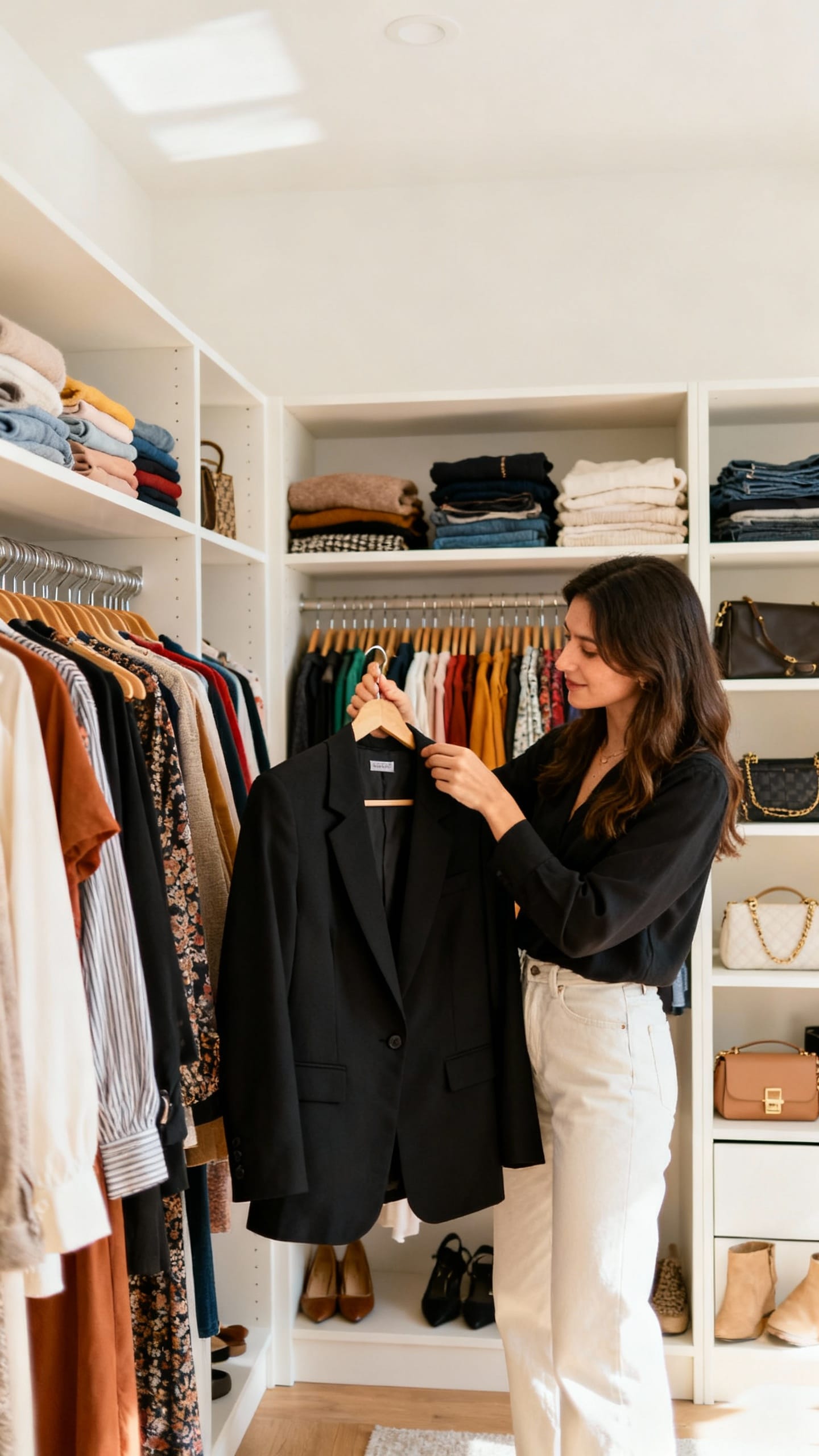
You don’t need 16 colors. You need the right 4-6.
– Base colors (2-3): black, navy, gray, camel, olive, denim. Choose what flatters your skin and works with your lifestyle.
– Accent colors (1-2): a color that excites you. Burgundy, forest, cobalt, rust, lilac—whatever sparks joy without chaos.
– Metal and hardware: gold or silver, matte or polished. Keep it consistent across belts, watches, and bags for cohesion.
How to Test a Palette Fast
Lay everything on your bed. If 80% mixes easily with everything else, you nailed it. If not, swap the rogue items or commit to them as statement pieces only.
Build Your Starter Kit (aka The Capsule You’ll Actually Use)
Start small. Think a 10–15 piece kit you can rinse and repeat across a week.
– 4 tops: two everyday tees/shirts, one knit, one “elevated” top
– 3 bottoms: jeans or trousers in your chosen silhouette, plus one wildcard (e.g., skirt or relaxed pant)
– 2 layers: blazer, overshirt, cardigan, or jacket
– 2 shoes: one casual, one smart
– Accessories: belt, bag, watch, one signature piece (scarf, necklace, cap)
FYI: You can duplicate favorites. Two identical black tees? Efficient, not boring.
Fit Rules You Shouldn’t Ignore
– Hem pants to your shoes. Invisible inches ruin silhouettes.
– Tailor waist and sleeves if needed. Off-the-rack is a starting point, not a final draft.
– If a piece “almost works,” it doesn’t. Return it. Future you won’t wear it.
Make It Personal (Because Otherwise It’s Just Clothes)
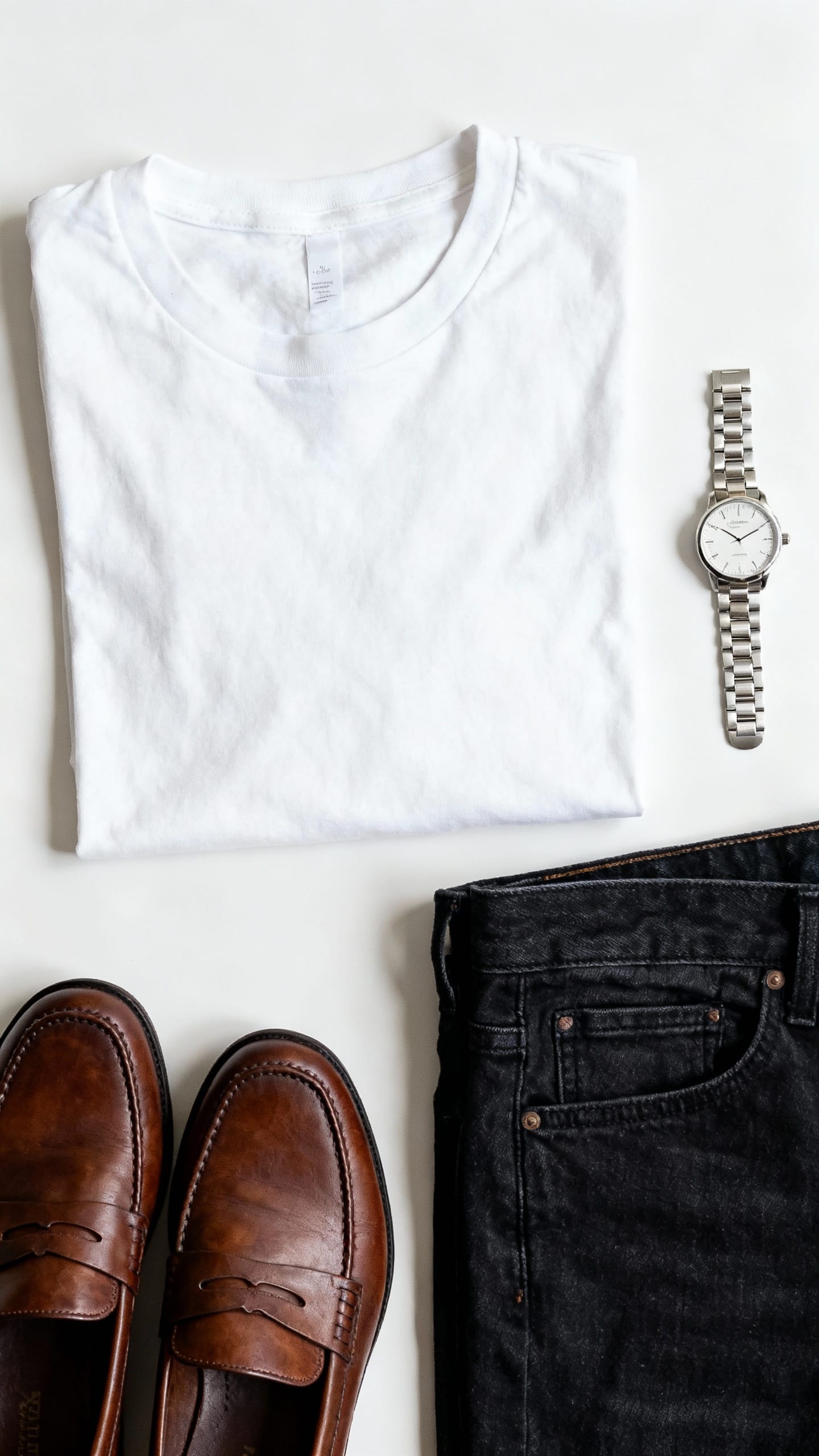
Uniforms work best when they scream you—quietly or loudly, your call.
– Adopt one signature detail: rolled sleeves, a specific hat, blue socks, a small pendant.
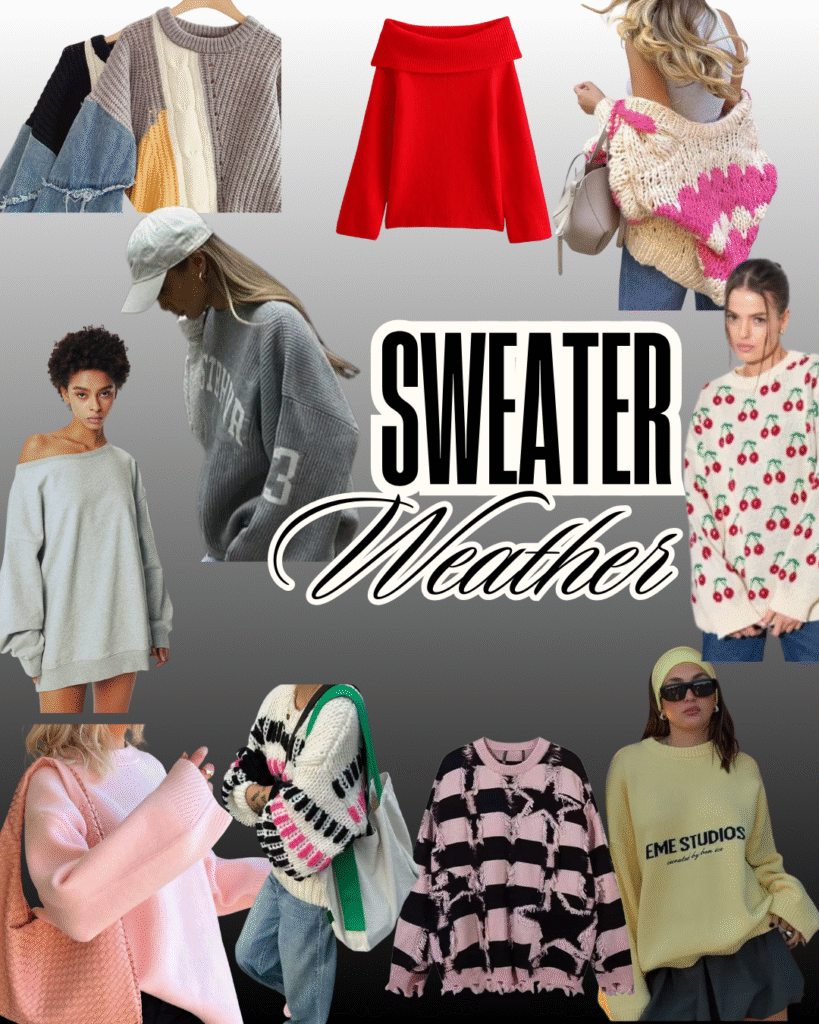
– Choose a fabric identity: all cotton and denim, or technical fabrics, or cozy knits. Texture is character.
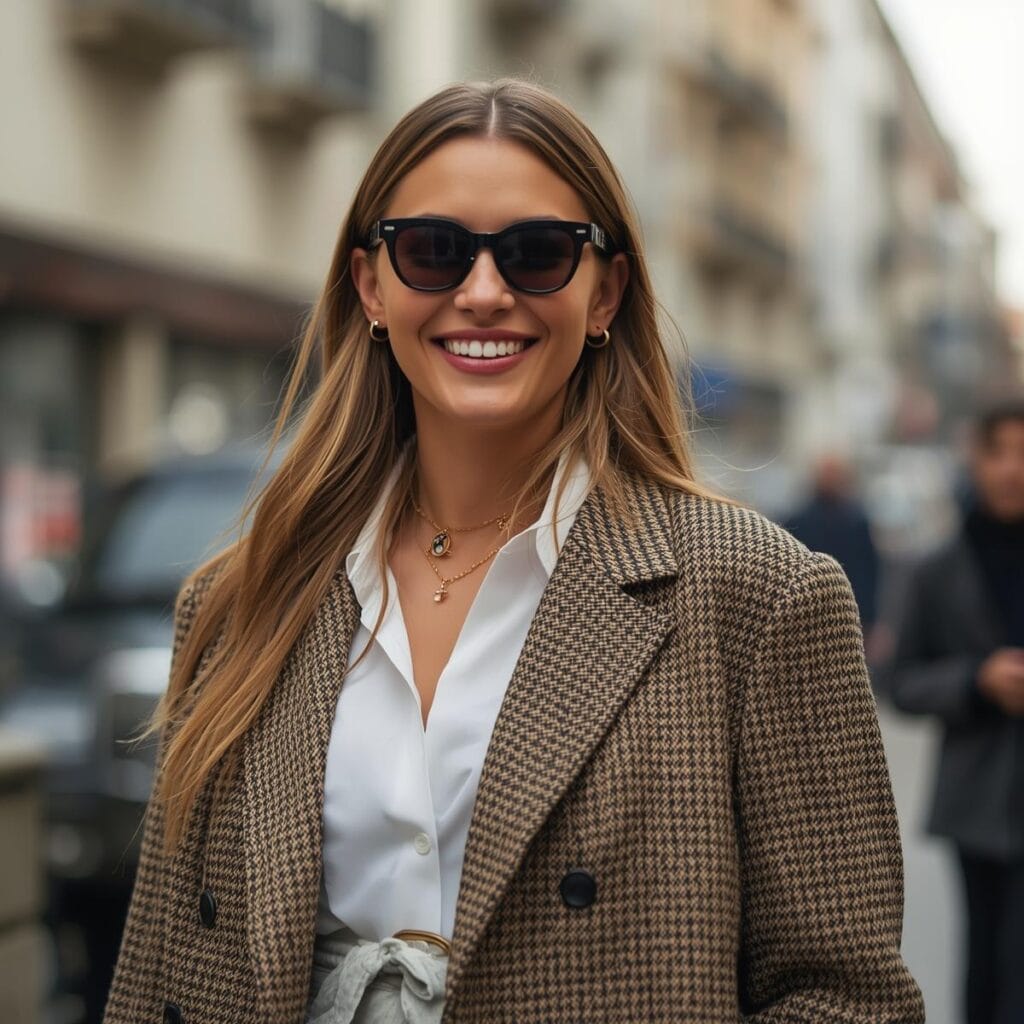
– Repeat your favorite pattern: stripes, houndstooth, tiny checks. Keep it consistent across seasons.
The Two-Accessory Rule
Pick two accessories you wear almost daily. A slim leather belt and a vintage watch. Or hoop earrings and a crossbody. When you repeat them, they become part of your visual signature.
Put It on Autopilot
You built the system—now let it save you time.
– Make 7 go-to outfits and snap photos. Create a “Uniform” album on your phone. Morning you will forget combinations; photo you won’t.
– Prep the night before. Five minutes now beats twenty later.
– Use a laundry rhythm. If your uniform relies on that one shirt, buy a second one. Or set wash days to protect the pipeline.
Seasonal Switch Without Drama
Keep the silhouette, swap the fabric:
– Summer: lighter cotton, linen, short sleeves, breathable sneakers
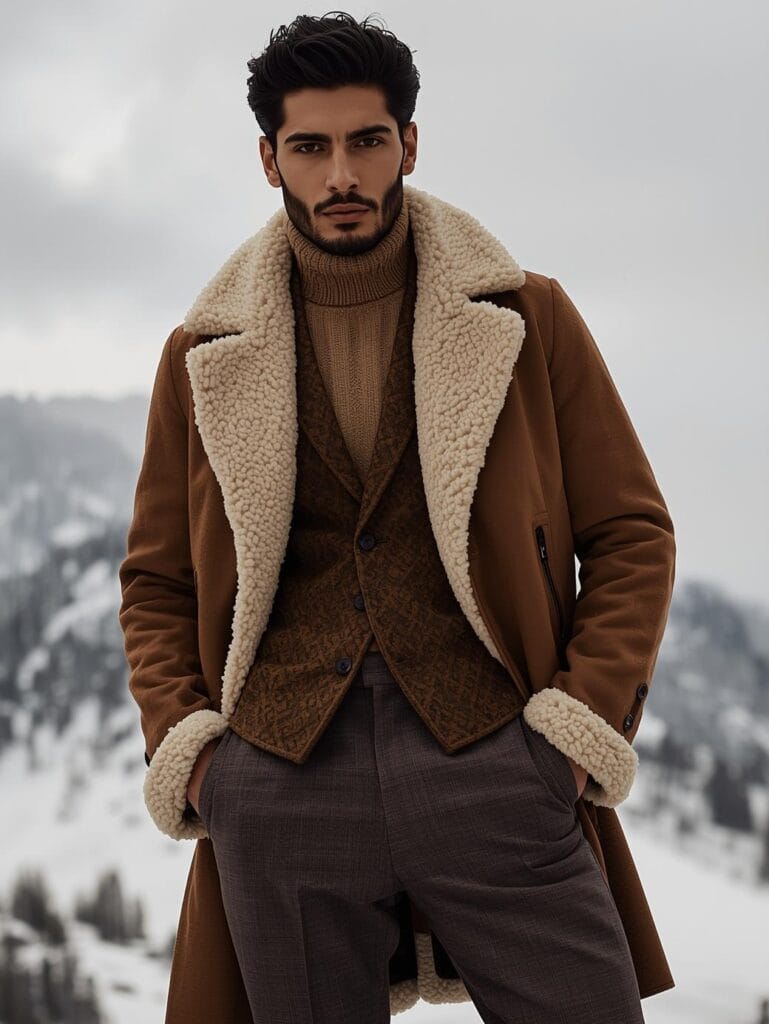
– Winter: wool, cashmere, lined trousers, boots, heavier outerwear
Same look, different insulation.
Maintain, Upgrade, Repeat
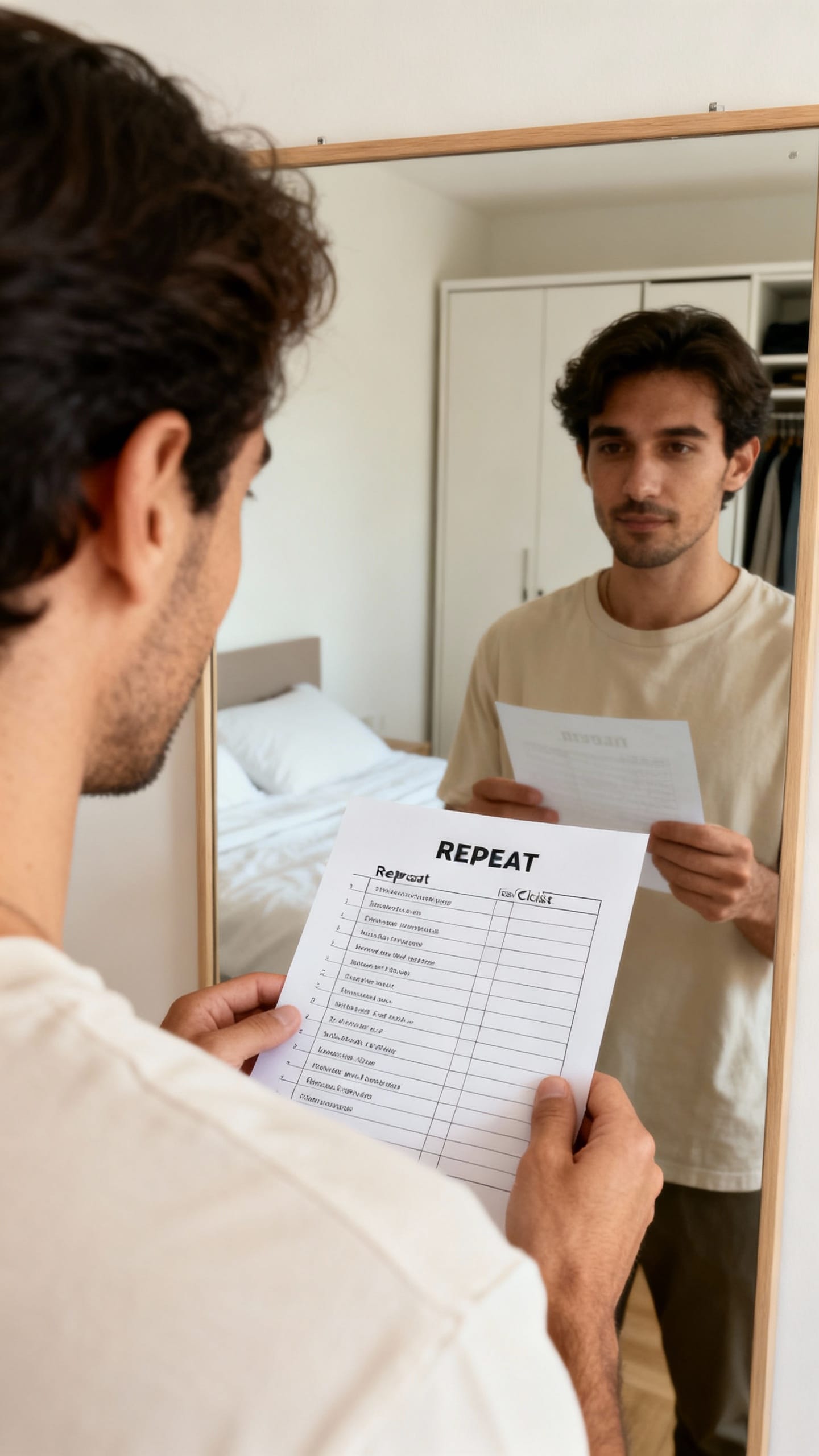
Your uniform evolves. You’re not getting married to a pair of pants.
– Quarterly edit: donate what you ignore, repair what you love.
– One-in, one-out rule: if you bring a new navy sweater in, an old one leaves. Keeps clutter down.
– Level up staples first: upgrade fabrics and fits (better denim, real leather, nicer knits) before chasing trends.
FAQ
Won’t I get bored wearing the same thing?
Probably not if you like your base silhouette. You’ll vary textures, accessories, and layers. The uniform anchors your style so you can play around it without chaos. Also, people notice consistency way less than you think.
Can a uniform still look professional?
Absolutely. Choose polished fabrics and structured pieces. Think pressed trousers, clean knit, sharp blazer, leather shoes. Keep the palette tight. Boom—uniform, but promotion-ready.
How many duplicates should I buy?
For heavy-rotation items, two to three duplicates is ideal. That covers laundry gaps and wear-and-tear. If you wear a black tee four times a week, buy the twin. IMO, duplicates are the true hack.
What if my body changes or I’m between sizes?
Build flexibility into the silhouette. Choose elastic waists, pleats, or adjustable belts. Prioritize stretch fabrics and tailored-but-not-tight cuts. Your uniform should adapt to you, not the other way around.
Do I need expensive pieces?
Nope. Spend where it counts: shoes, outerwear, and the pieces you wear constantly. Save on trend-adjacent items. FYI: fit beats price every time.
How do I handle special events?
Create a “dress-up” version of your uniform. Same silhouette, upgraded fabrics. If you’re a tee-and-trouser person, swap the tee for a silk blouse or fine-gauge knit and the sneakers for loafers or heels. Familiar but fancy.
Conclusion
A personal uniform doesn’t box you in—it sets you free. Pick a silhouette you love, tighten your palette, duplicate your heroes, and add personal touches you actually enjoy. Then let your clothes do their job while you do yours. Dress better with less effort? That’s the dream, and it’s completely doable.
EXPLORE MORE & SHINE DAILY
Discover self-care rituals, glow-enhancing routines, and beauty favorites in our BEAUTY section.
For cozy home inspiration, mindful routines, and soft everyday living, explore HOME & LIFESTYLE.
Find feminine outfits, effortless style ideas, and modern fashion inspiration in FASHION.
Love curated outfits and shoppable inspiration? Visit SHOP THE LOOK to recreate your favorite styles.
Looking for thoughtful ideas for every occasion? Browse our curated GIFT GUIDES.