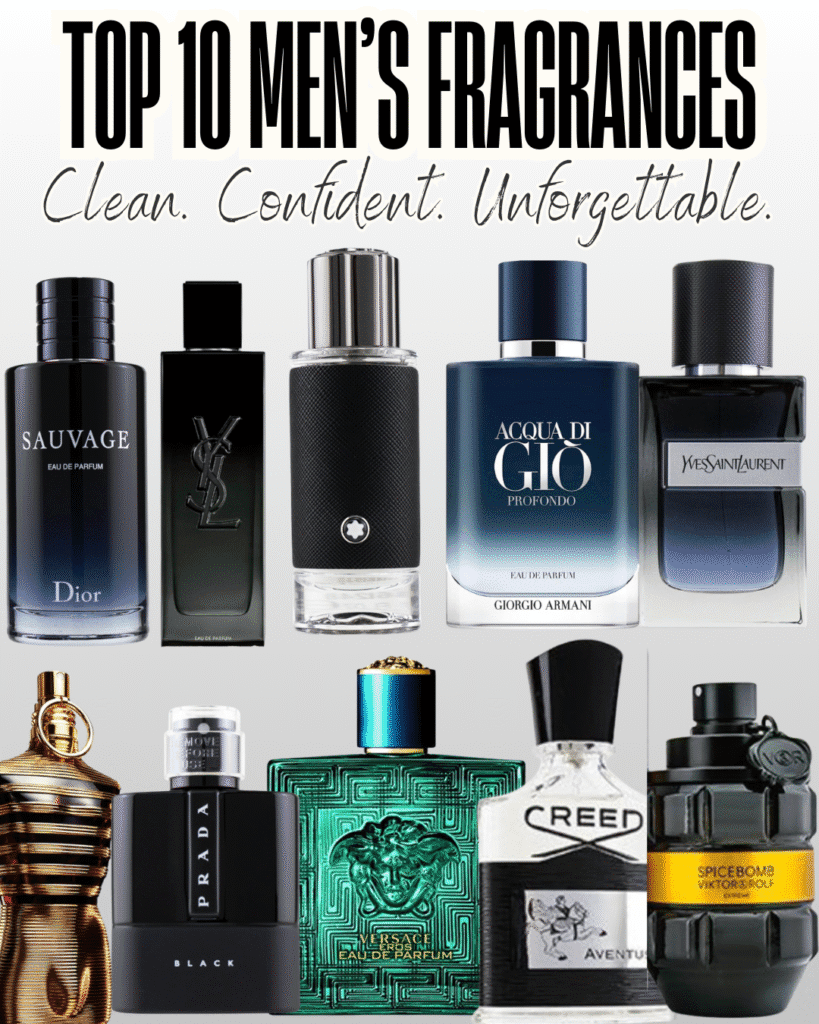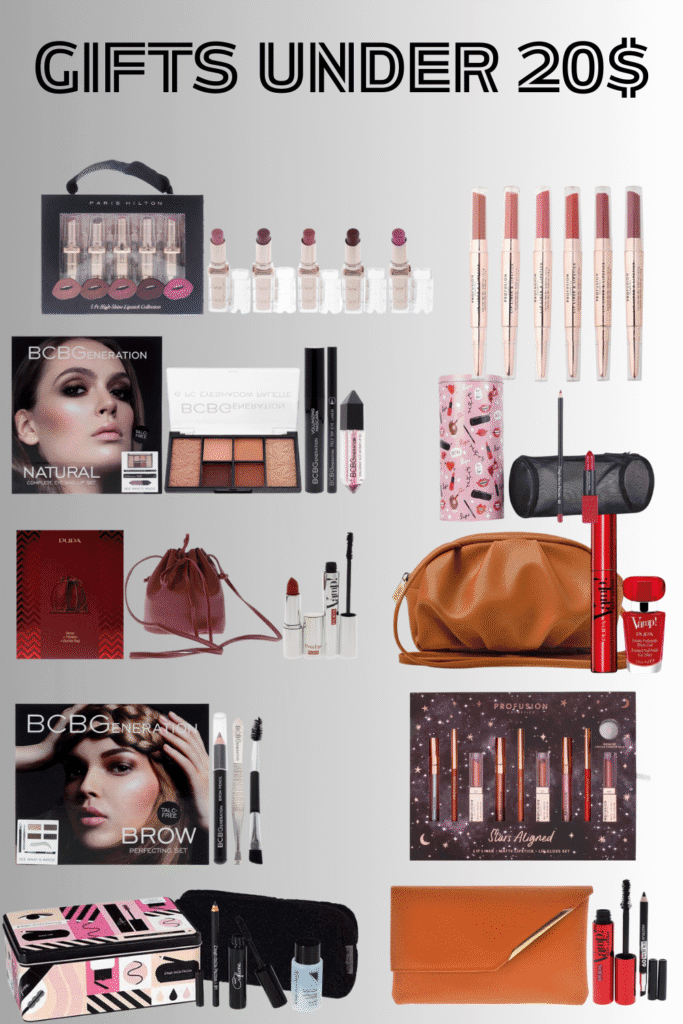
We’ve all unwrapped a gift and thought, “Cool… but where will I put this?” Or worse: “What is it?” Let’s end the cycle of dusty candles and novelty mugs. You want your gift to get used, loved, and maybe even bragged about. Here’s how to pick winners that don’t vanish into junk drawers.
Start with their actual life, not your wishful thinking
You don’t buy hiking boots for someone who considers stairs a workout. That’s how unused stuff happens. Look at how they spend their time and money. That tells you what they’ll actually use.
Ask yourself:
- What do they do weekly? (Gym, gaming, Netflix, baking, gardening)
- What do they complain about? (Back pain, clutter, slow Wi‑Fi, lost keys)
- What do they repeatedly buy? (Coffee, hand cream, fancy pens, dog treats)
If you get stuck, stalk softly. Check their social media, watch what they pick up in stores, or casually ask, “What’s something you use every day that could be better?” FYI, people love talking about their gear.
Mini-hack: Notice the “almost”
Their headphones almost work. Their pan almost doesn’t stick. Their backpack almost fits a laptop. Upgrade the “almost” item and you’ll look psychic.
Choose experiences when stuff gets tricky
Physical gifts go to the closet. Experiences turn into stories. If you don’t know their size, style, or decor vibe, default to experiences and save yourself the anxiety.
Experience ideas that don’t feel like homework:
- Tickets (concert, comedy, sports, escape room)
- Classes (pasta making, pottery, coffee tasting, photography)
- One-off adventures (axe throwing, climbing day pass, kayak rental)
- Convenience gifts (house cleaning, car detail, meal kit)
Make the experience easy
Don’t hand them a gift that demands planning energy. Add a date suggestion, a booking link, or even a calendar invite. If it’s a class, include a buddy pass. More fun, less friction.
Go practical, but make it premium
No one swoons over socks—unless they’re actually amazing socks. Everyday items feel boring until you make them delightful. That’s your cheat code for gifts that get used.
Practical-but-premium ideas:
- High-quality water bottle with a sip lid they’ll actually use
- Chef’s knife that glides like butter (include a blade guard)
- Super-soft hoodie in a neutral color
- Ceramic nonstick pan that cleans in 10 seconds
- USB-C multi-charger that ends the outlet chaos
Make it personal without making it cheesy
Add a note that says why you chose it: “You mentioned your back hurts during work—this footrest made mine disappear.” That tiny human touch turns “thing” into “thoughtful.”
Match the gift to their attention span
Some gifts demand fiddling (setup, learning curves, apps, adapters, reading manuals). If they’re not a “fiddle” person, they won’t bother. Match complexity to personality.
Low-effort winners:
- Fancy consumables (good coffee beans, olive oil, hot sauce set)
- Streamlined tech (noise-canceling earbuds, smart plugs pre-paired)
- Wearables in their color palette (neutral scarf, beanie, gloves)
Higher-effort gifts for tinkerers:
- DIY kits (fermentation, candle making, electronics)
- Multi-tools or modular organizers
- Specialty brewing gear for coffee nerds
Pick consumables they’ll devour
Consumables never become clutter. If you choose them well, your gift hits every day until it runs out—then they remember you fondly instead of resenting the dust.
Great consumable categories:
- Kitchen MVPs (quality salt, spices, small-batch olive oil, pasta set)
- Self-care (lux hand soap, shower steamers, body butter)
- Snacks and treats (local cookies, gourmet popcorn, tea sampler)
- Hobby consumables (sketchbook, film rolls, guitar strings, yarn)
Pair consumables with a keeper
Coffee + a reusable travel mug. Spices + magnetic tins. Tea + infuser bottle. The consumable gets used up; the keeper sticks around.
Lean on wishlists and gentle intel
You don’t need to read minds. You just need a system. Ask people to maintain a shared wishlist. If that feels too formal, work with their friends, roommates, or partners for stealthy intel.
Low-key ways to gather clues:
- Offer options: “Would you rather cooking gear or workout stuff?”
- Suggest categories: “If I got you a subscription, would you want books, snacks, or music?”
- Send a casual text: “What’s your current coffee setup?”
IMO, people appreciate being asked. Surprises are fun, but satisfaction is better.
Personalize without monogramming everything
Initials on everything screams “wedding registry energy.” You can personalize by tailoring to their taste instead.
Ways to personalize smartly:
- Pick their color palette (earth tones, monochrome, bright accents)
- Match their home vibe (Scandi, industrial, cozy cottage)
- Choose artists or small makers that align with their interests
- Add a story: why this brand, why this design, why now
When monogramming works
Leather goods, stationery, or travel gear? A subtle initial or blind emboss looks classy. Giant glitter letters? Hard pass.
Budget gracefully—impact beats price
More money doesn’t automatically mean better gift. Thoughtful beats flashy. A $20 item that solves a daily pain point wins over a $200 dust collector every time.
Budget-friendly hits:
- Magnetic cable clips for desk sanity
- Compact umbrella that doesn’t flip inside out
- Travel-sized luxury toiletries
- Weighted bookmark for the reader who eats soup with one hand
FYI: Packaging elevates everything. A simple ribbon or a handwritten note can make a modest gift feel special.
Test the “will they use it in 30 days?” rule
Before you buy, visualize them using the gift in the next month. If you can’t picture when or how they’ll use it, skip it. This rule saves money and embarrassment.
Bonus filters:
- Does it replace something outdated or broken?
- Does it reduce a hassle or add convenience?
- Does it align with a goal they mentioned?
- Would I be happy if someone got me this? (Brutal honesty here.)
IMO, if a gift requires a long justification, it probably won’t get used.
FAQ
What if I barely know the person?
Go universal and upgrade the quality. Think: premium snacks, a nice notebook with a great pen, a gift card to a coffee shop plus a cute note. Keep it neutral, useful, and easy to regift without guilt if needed. No one hates good coffee and good paper.
Are gift cards lazy?
Not if you choose intentionally. A card to their favorite local spot shows you pay attention. Boost it with a small physical item tied to the theme (a bookmark with a bookstore gift card, a travel mug with a café card). The combo feels thoughtful, not last-minute.
How do I handle picky people?
Pick a specific lane: an experience with flexible dates, a consumable in a flavor they already love, or a tech upgrade they mentioned. Add a gift receipt if it’s a style-dependent item. And ask a close friend for intel—they’ll often know “the one brand they trust.”
What about sustainability?
Choose durable, repairable items, or consumables with minimal packaging. Support local makers or secondhand for unique finds. Experiences are inherently low-clutter and often lower impact. You’re giving joy, not landfill.
Is handmade risky?
Handmade works when it’s aligned with their taste and skillfully done. A knitted beanie in their color? Great. A lumpy bowl that screams “kindergarten art”? Maybe not. Pair handmade with a practical piece to anchor it.
Should I ask what they want directly?
Yes, when stakes run high (big birthdays, major holidays). People appreciate getting exactly what they want. You can still add a small surprise to keep the fun alive.
Wrap it up (literally and figuratively)
Great gifts come from observation, not guesswork. Focus on their routines, upgrade what they already use, and default to experiences when you’re unsure. Keep it practical, add a personal touch, and run the 30-day rule. Do that, and your gifts won’t gather dust—they’ll gather thank-you texts.
EXPLORE MORE & SHINE DAILY
Discover self-care rituals, glow-enhancing routines, and beauty favorites in our BEAUTY section.
For cozy home inspiration, mindful routines, and soft everyday living, explore HOME & LIFESTYLE.
Find feminine outfits, effortless style ideas, and modern fashion inspiration in FASHION.
Love curated outfits and shoppable inspiration? Visit SHOP THE LOOK to recreate your favorite styles.
Looking for thoughtful ideas for every occasion? Browse our curated GIFT GUIDES.