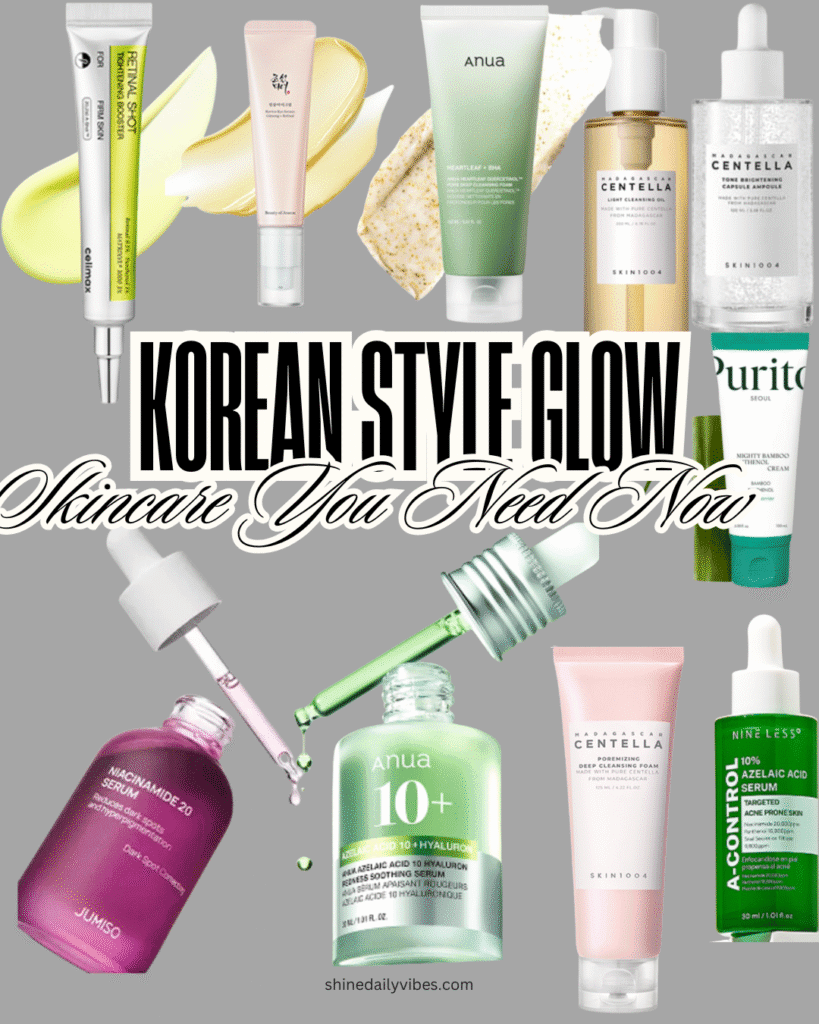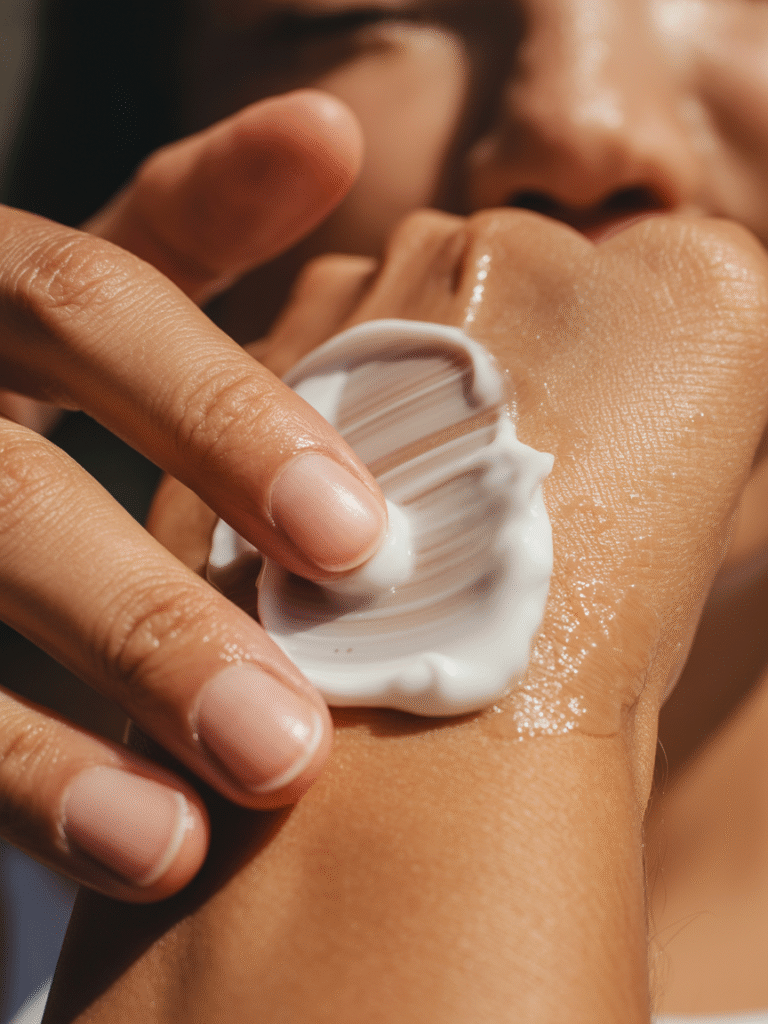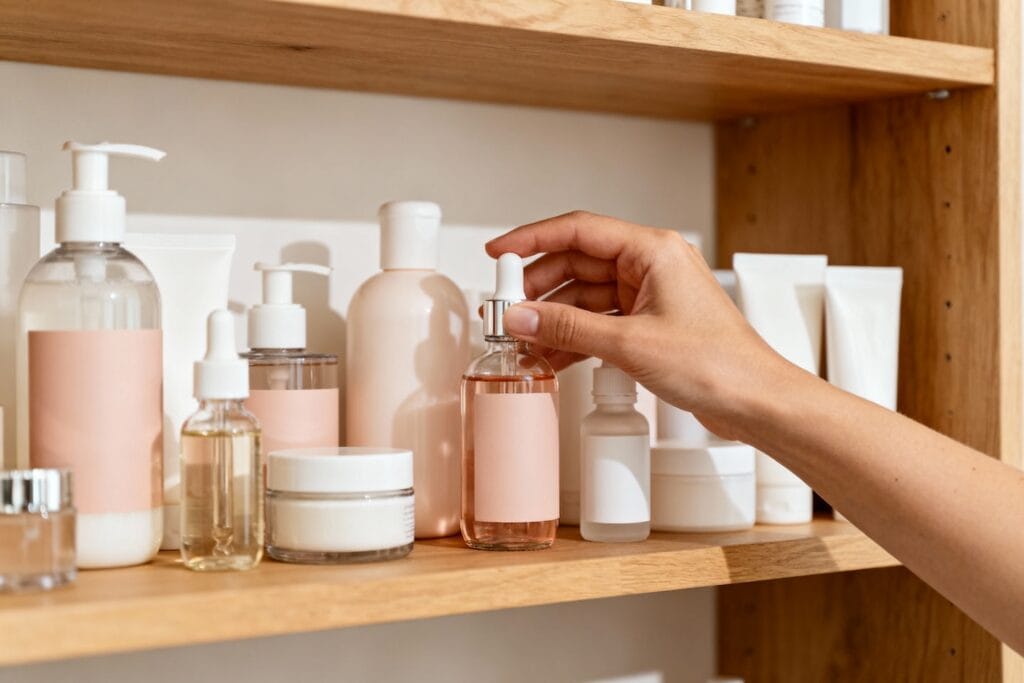
You don’t need a 10-step routine or a chemistry degree to get great skin. You just need the right products for your skin type—and a little strategy. If your bathroom shelf looks like a skincare graveyard, let’s fix that.
We’ll cut through the noise, decode your skin’s behavior, and build a routine that actually works (and doesn’t bankrupt you).
Step One: Know Your Skin Type (For Real)
Before you buy another “miracle” serum, figure out what you’re working with. Your skin type guides everything. Here’s the quick test: wash your face with a gentle cleanser, pat dry, then wait 60 minutes.
Don’t apply anything.
- Feels tight, looks dull or flaky? You’re likely dry.
- Shiny all over, visible pores, frequent breakouts? That’s oily.
- Shiny T-zone, normal/dry cheeks? You’re combination.
- No flakes, minimal shine, few issues? Congrats, you’re normal (and we’re a little jealous).
- Stings easily, redness, reacts to new products? You’re sensitive.
Pro tip: consider your environment
Climate changes everything. Dry winters can turn combo skin into a raisin, and humid summers can make anyone shiny. Adjust products seasonally.
FYI, your skin type can change with age, hormones, and stress.
Build a Simple, No-Drama Routine
You don’t need 12 products. Start with three, then add a “treat” step if needed.
- Cleanser: Remove dirt, SPF, makeup. No squeaky-clean feeling—that’s your moisture barrier crying.
- Moisturizer: Hydrate and support your barrier.
Light gel for oily, cream for dry. Simple.
- Sunscreen (AM): Non-negotiable. UV damage cancels out every nice thing you do for your skin.
- Treatment (optional): Serums for specific concerns: acne, dark spots, fine lines, redness.
Ingredient shopping list by skin type
- Dry: Hyaluronic acid, glycerin, squalane, ceramides, fatty acids.
Avoid high-alcohol toners.
- Oily: Salicylic acid (BHA), niacinamide, lightweight humectants, oil-free moisturizers. Avoid heavy oils.
- Combination: Use targeted care—BHA on T-zone, richer cream on cheeks. Layer light to heavy.
- Normal: You can handle most things.
Keep it balanced and don’t over-exfoliate just because you’re bored.
- Sensitive: Ceramides, centella asiatica, azelaic acid, oat extract. Avoid strong fragrance and high concentrations of acids/retinoids at first.
Decode Labels Without a Headache
Skincare labels can feel like a puzzle. Here’s how to skim like a pro.
- Active ingredients: The “doers.” Look for % where it matters (e.g., niacinamide 4–10%, salicylic acid 0.5–2%).
Not all brands list percentages—annoying, IMO.
- Order of ingredients: Listed by concentration (mostly). Actives often appear after the first few humectants, which is normal.
- Claims to ignore: “Non-toxic,” “clean,” “dermatologist-approved.” Vibes only. Focus on actives and your skin’s response.
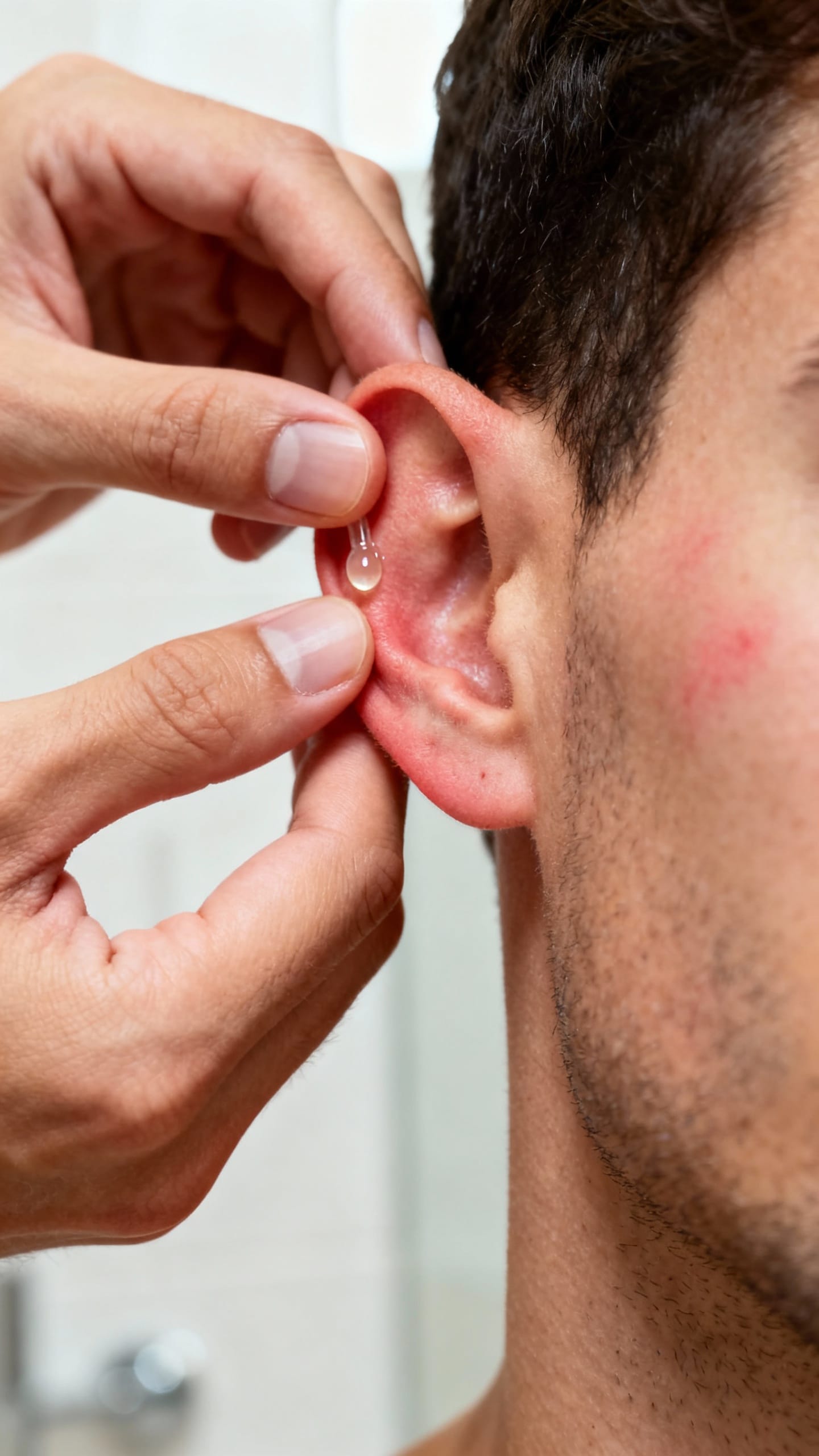
- Patch test: Always.
Apply a tiny amount behind your ear or along the jawline for 2–3 days before full use.
When fragrance matters
Fragrance isn’t evil, but sensitive or reactive skin may prefer fragrance-free. If your skin tingles or gets red, switch to fragrance-free formulas.
Choose the Right Cleanser (Stop Over-Cleansing)
Your cleanser sets the tone. Overstrip your skin and nothing else will work right.
- Dry/sensitive: Cream or milk cleansers.
Look for ceramides, glycerin, or oat.
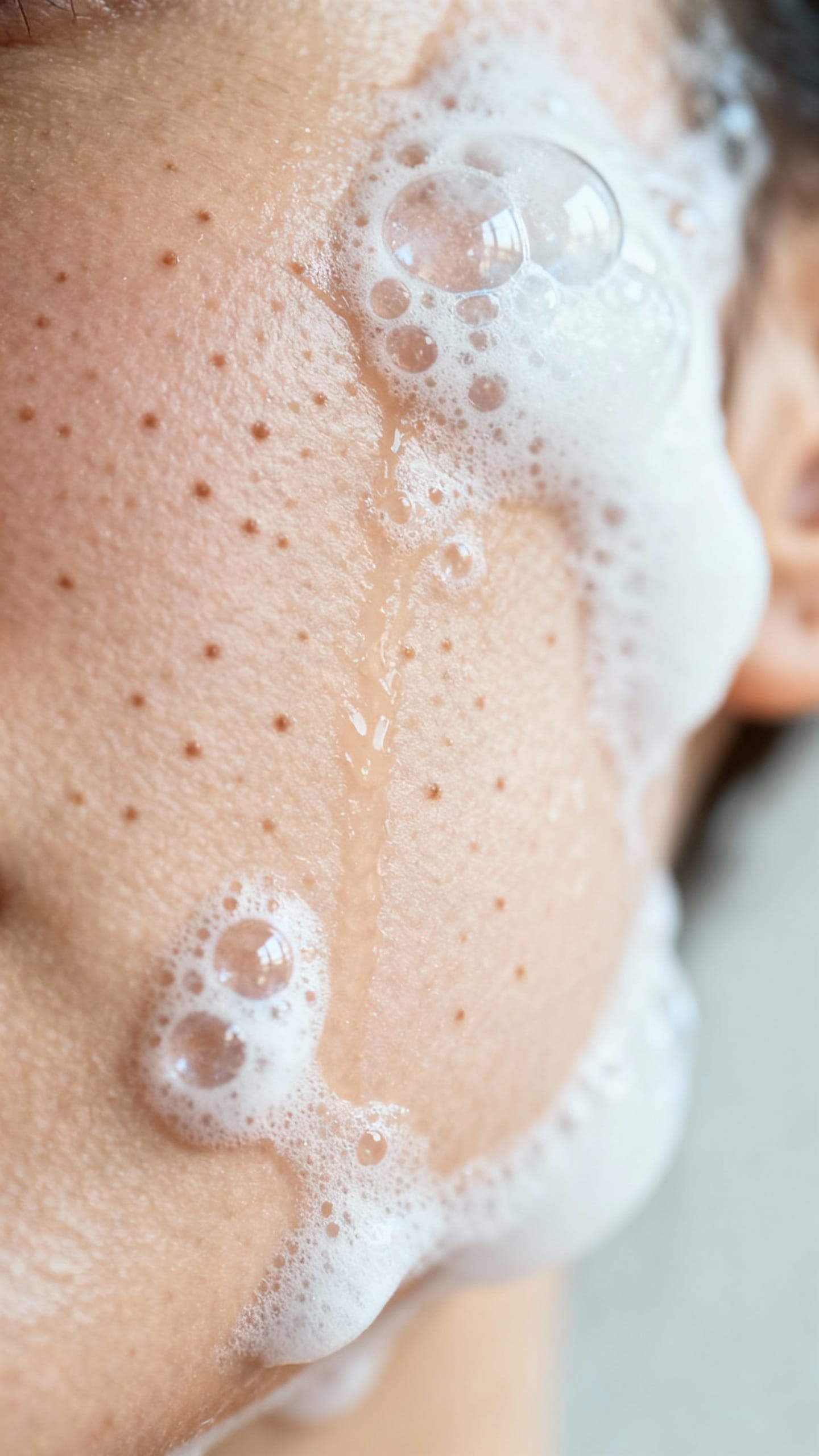
- Oily/combination: Gel or foaming cleansers with gentle surfactants. BHA cleansers help keep pores clear.
- Makeup/SPF wearers: Try double cleansing at night: oil/balm first, then water-based cleanser.
Red flags
- Face feels tight after cleansing.
- Immediate squeaky-clean effect.
- Strong fragrance or menthol for “refreshing” feel—usually just irritation in disguise.
Treatment Serums: Target, Don’t Collect
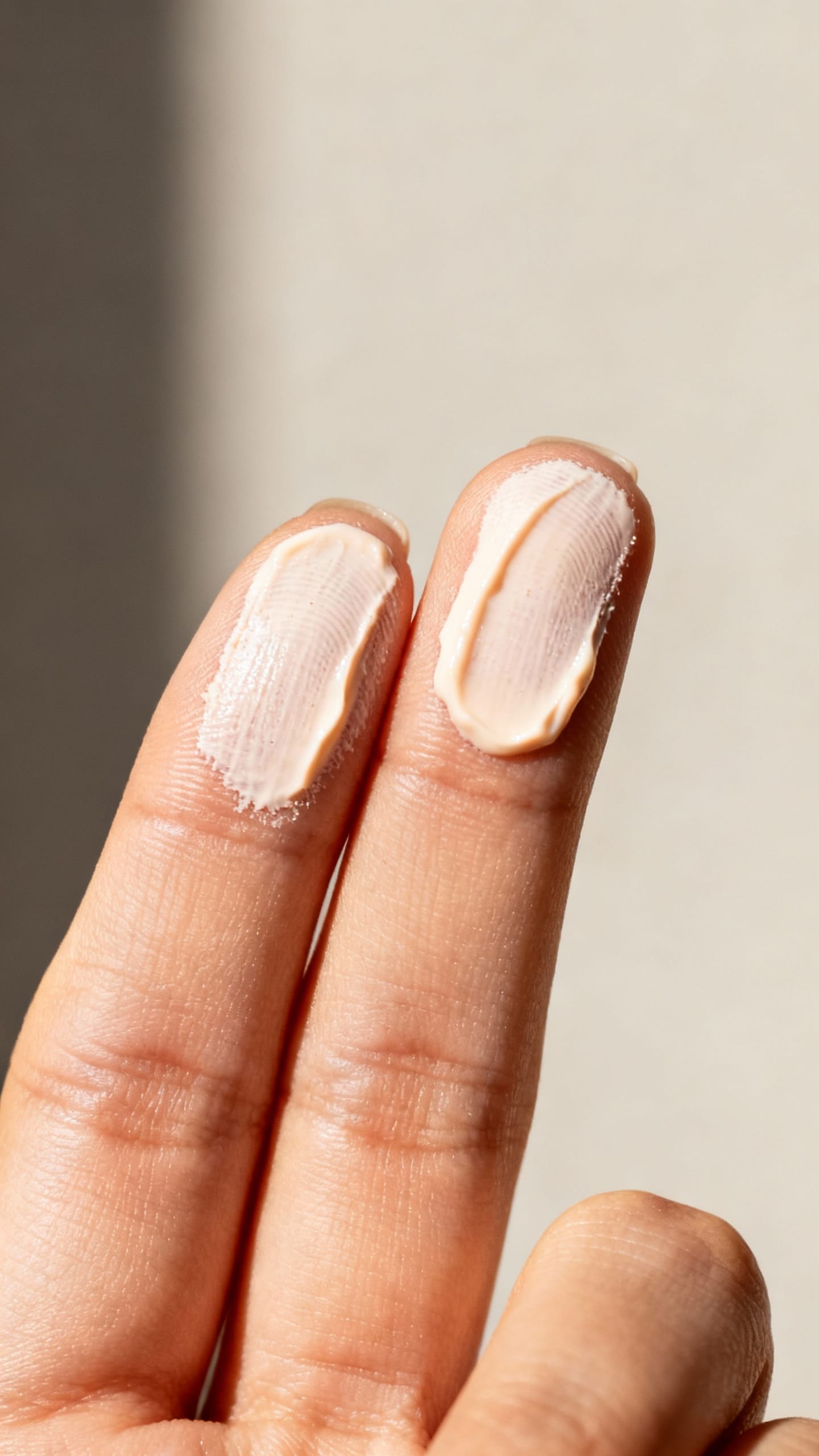
This is where the magic happens—if you choose wisely. Pick one main goal and start there.
- Acne/clogged pores: Salicylic acid (BHA), benzoyl peroxide (start 2.5%), retinoids (start slow).
Azelaic acid helps redness and post-acne marks.
- Dark spots/uneven tone: Vitamin C (L-ascorbic 10–15% or stable derivatives), azelaic acid, tranexamic acid, niacinamide.
- Texture/fine lines: Retinoids (retinol, retinal), peptides, gentle chemical exfoliation (lactic, mandelic).
- Redness/sensitivity: Azelaic acid, centella, panthenol, ceramides. Keep actives low and consistent.
How to layer without chaos
- Cleanser → water-based serum → moisturizer → sunscreen (AM).
- At night, use retinoids or exfoliants on alternate days. Don’t pile them on the same night unless you’re very experienced (and your face enjoys chaos).
- Wait 5–10 minutes after acids before layering retinoids if you insist on using both—though alternating nights works better for most.
Moisturizers and Sunscreens: Your Skin’s Bodyguards
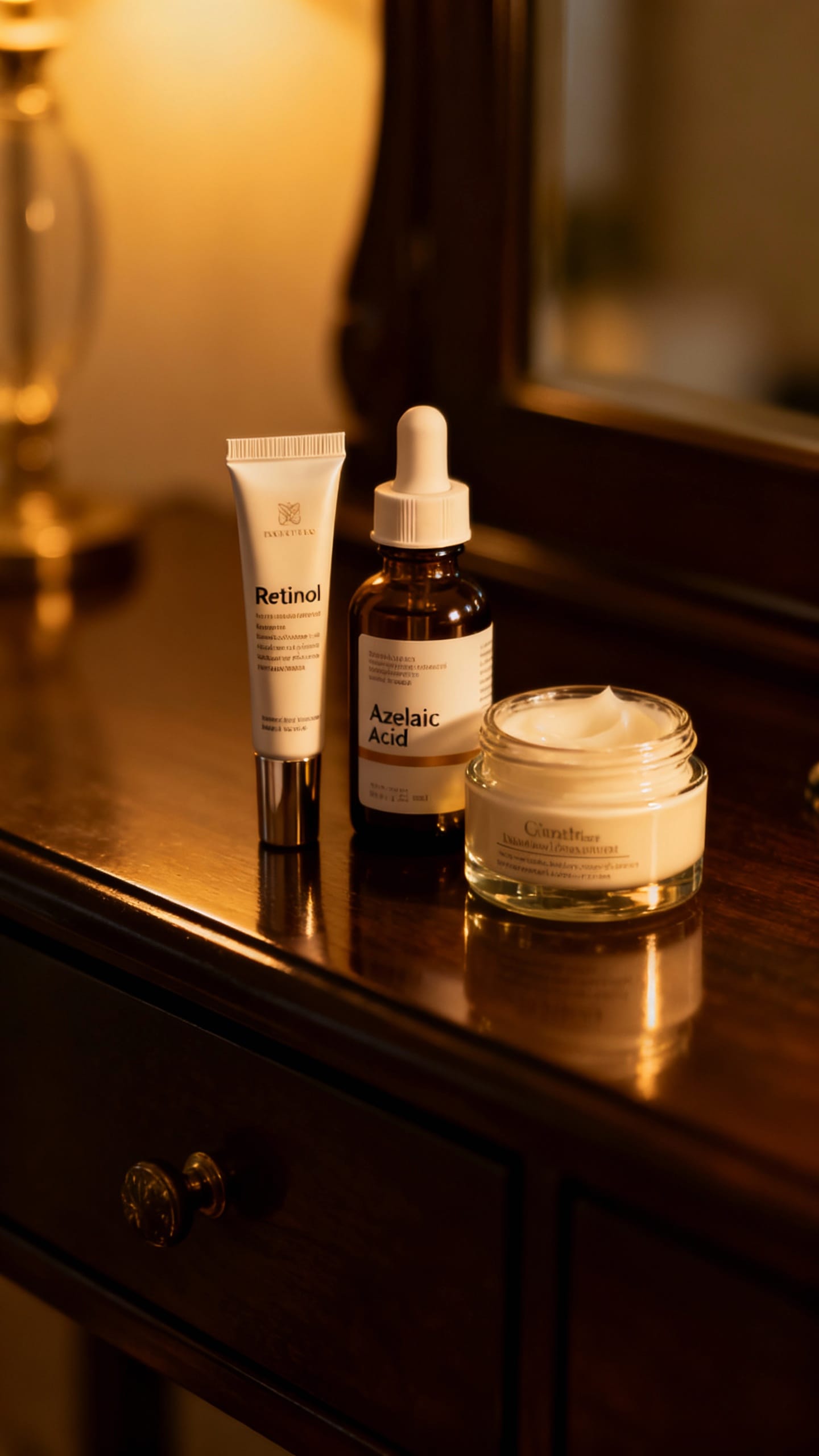
Your moisturizer locks in hydration; your sunscreen protects your investment.
That’s the duo.
- Dry: Creams with ceramides, cholesterol, shea butter, squalane. Occlusives at night if needed (petrolatum, lanolin if not allergic).
- Oily: Lightweight gels or emulsions with humectants (glycerin, HA) and niacinamide. Non-comedogenic isn’t a guarantee, but it helps.
- Sensitive: Fragrance-free, short ingredient lists, barrier-supporting formulas.
Sunscreen basics (don’t skip, seriously)
- Use broad-spectrum SPF 30+ daily.
Cloudy counts. Indoors near windows counts. Yes, really.
- Oily/acne-prone: Gel or fluid finishes.
Look for “matte” or “oil-control.”
- Dry/sensitive: Creamy textures or mineral sunscreens with zinc oxide.
- Apply two finger-lengths for face and neck. Reapply every 2–3 hours if outdoors.
Avoid These Common Mistakes
Let’s save your skin (and wallet) from unnecessary drama.
- Over-exfoliating: Burning equals barrier damage, not “it’s working.” Limit acids to 1–3 times per week to start.
- Starting five new products at once: Impossible to track what’s helping or hurting. Add one product every 2 weeks.
- Ignoring your lifestyle: Sleep, stress, and diet influence breakouts and dullness.
Skincare helps, but it’s not a wizard.
- Quitting too soon: Most actives need 6–12 weeks. Take photos in consistent lighting to track progress.
Budget vs. Splurge: Where to Spend
Good news: you don’t need luxury products to get results.
- Save on: Cleanser, moisturizer, sunscreen.
Drugstore has amazing options.
- Consider splurging on: Well-formulated vitamin C, elegant sunscreen textures you’ll actually wear, or a retinoid you tolerate.
- FYI: More expensive doesn’t mean more effective. You’re often paying for texture and packaging.
Minimal starter routine by skin type
- Dry: Cream cleanser + ceramide cream + SPF 30+ (AM) / ceramide cream + optional squalane or petrolatum (PM).
- Oily: Gel cleanser + niacinamide serum + lightweight gel moisturizer + SPF (AM) / BHA 2–3x weekly at night.
- Combination: Gentle foaming cleanser + light moisturizer + SPF (AM) / BHA on T-zone, richer cream on dry areas (PM).
- Sensitive: Fragrance-free cream cleanser + ceramide moisturizer + mineral SPF (AM) / azelaic acid low % if tolerated (PM).
FAQ
How long until I see results?
Most routines need 4–6 weeks for texture and hydration changes, 8–12 weeks for acne and hyperpigmentation. Retinoids can take 12+ weeks.
Be patient, and take weekly selfies to track subtle progress. IMO, consistency beats intensity every time.
Can I use retinol and vitamin C together?
You can, but beginner skin may get cranky. Start vitamin C in the morning (under sunscreen) and retinol at night.
If irritation shows up, alternate days or switch vitamin C to a gentler derivative.
Do I need a toner?
Not mandatory. Hydrating toners feel nice and add slip for serums, but they won’t replace moisturizer. If you’re sensitive, skip exfoliating toners at first—they’re the usual culprits behind “why is my face on fire?”
What if everything breaks me out?
Simplify to basics: gentle cleanser, bland moisturizer, mineral sunscreen.
Patch test every new product. Look for common triggers like heavy oils, fragrance, or high-dose actives. If cystic acne persists, see a dermatologist—topicals can only do so much.
Is “purging” real or just marketing?
Purging can happen with retinoids, AHAs, BHAs—it speeds up cell turnover, so existing clogs surface faster.
It shows up where you usually break out and settles in 4–8 weeks. New breakouts in new areas or painful irritation? That’s not purging; stop and reassess.
Do I need separate day and night moisturizers?
Not necessarily.
Use what your skin likes. Daytime needs to play nice under sunscreen and makeup; nighttime can be richer. If you enjoy two different textures, great.
If one product works for both, also great. Your face won’t file a complaint.
Conclusion
The “right” skincare routine isn’t the trendiest—it’s the one your skin actually enjoys. Identify your skin type, keep your routine simple, and pick ingredients that match your goals.
Add new products slowly, listen to your skin, and wear sunscreen like it’s your job. FYI: perfect skin doesn’t exist, but healthy, happy skin absolutely does.
EXPLORE MORE & SHINE DAILY
Discover self-care rituals, glow-enhancing routines, and beauty favorites in our BEAUTY section.
For cozy home inspiration, mindful routines, and soft everyday living, explore HOME & LIFESTYLE.
Find feminine outfits, effortless style ideas, and modern fashion inspiration in FASHION.
Love curated outfits and shoppable inspiration? Visit SHOP THE LOOK to recreate your favorite styles.
Looking for thoughtful ideas for every occasion? Browse our curated GIFT GUIDES.