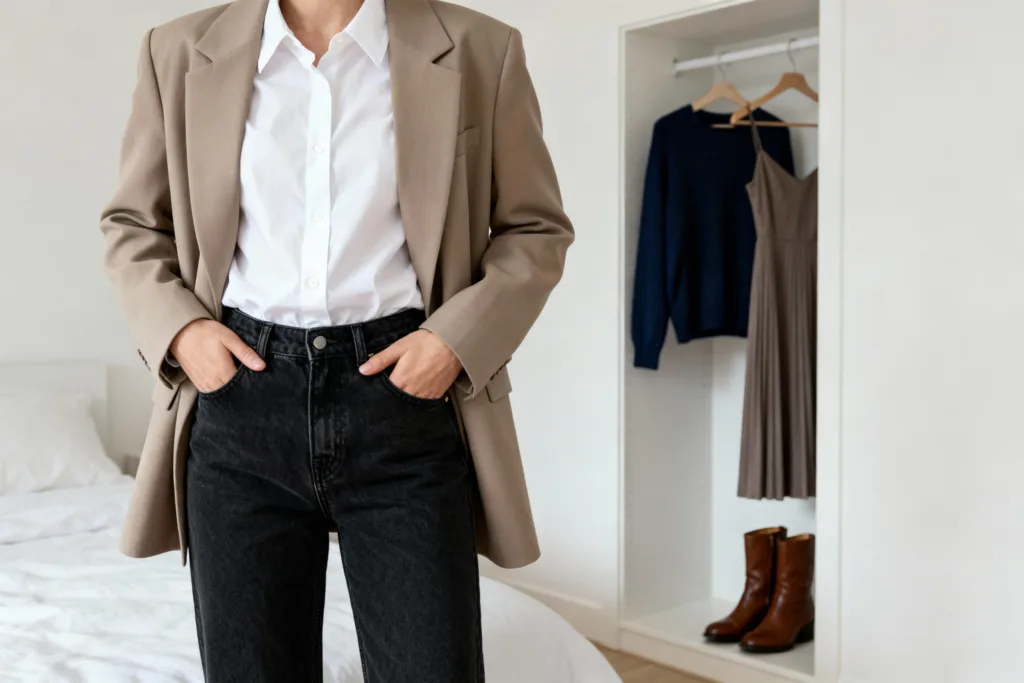
You don’t need a walk-in closet to look sharp. You need a plan, a few reliable pieces, and the courage to wear them often. Big wardrobes look impressive, but smart wardrobes do the heavy lifting. Ready to dress well without drowning in fabric? Let’s build a lean, mean style machine.
Start With a Style North Star
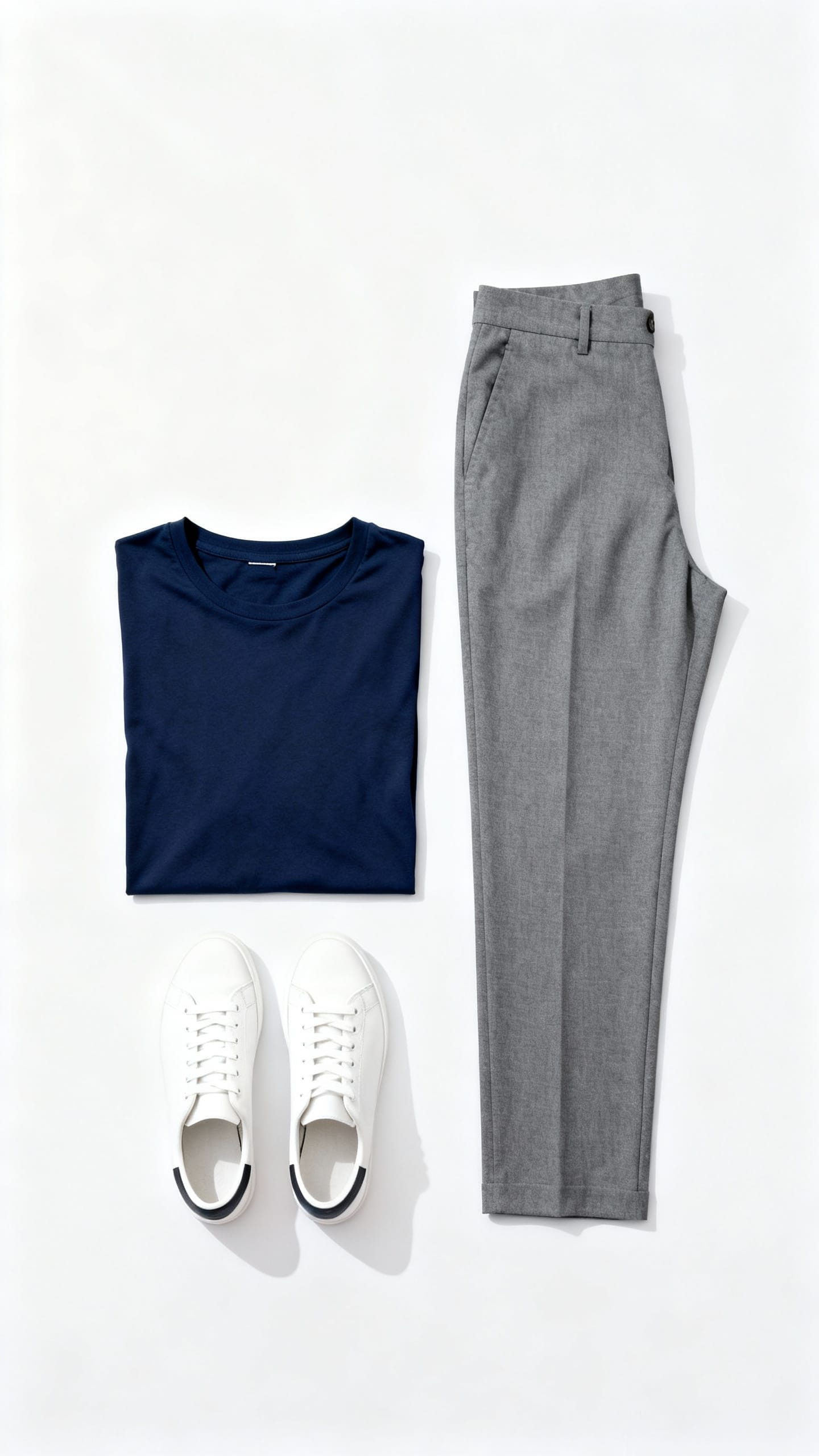
Before you buy anything, figure out what you want to look like most days. “Minimalist creative”? “Smart casual with sneakers”? “Quiet luxury but on a budget”? Pick a direction so your clothes actually talk to each other.
- Make a mood board: Screenshot 10 outfits you’d actually wear. Notice common colors, silhouettes, and shoe types.
- Choose a daily uniform: A silhouette you love (e.g., relaxed trousers + tucked tee + clean sneakers). Build around it.
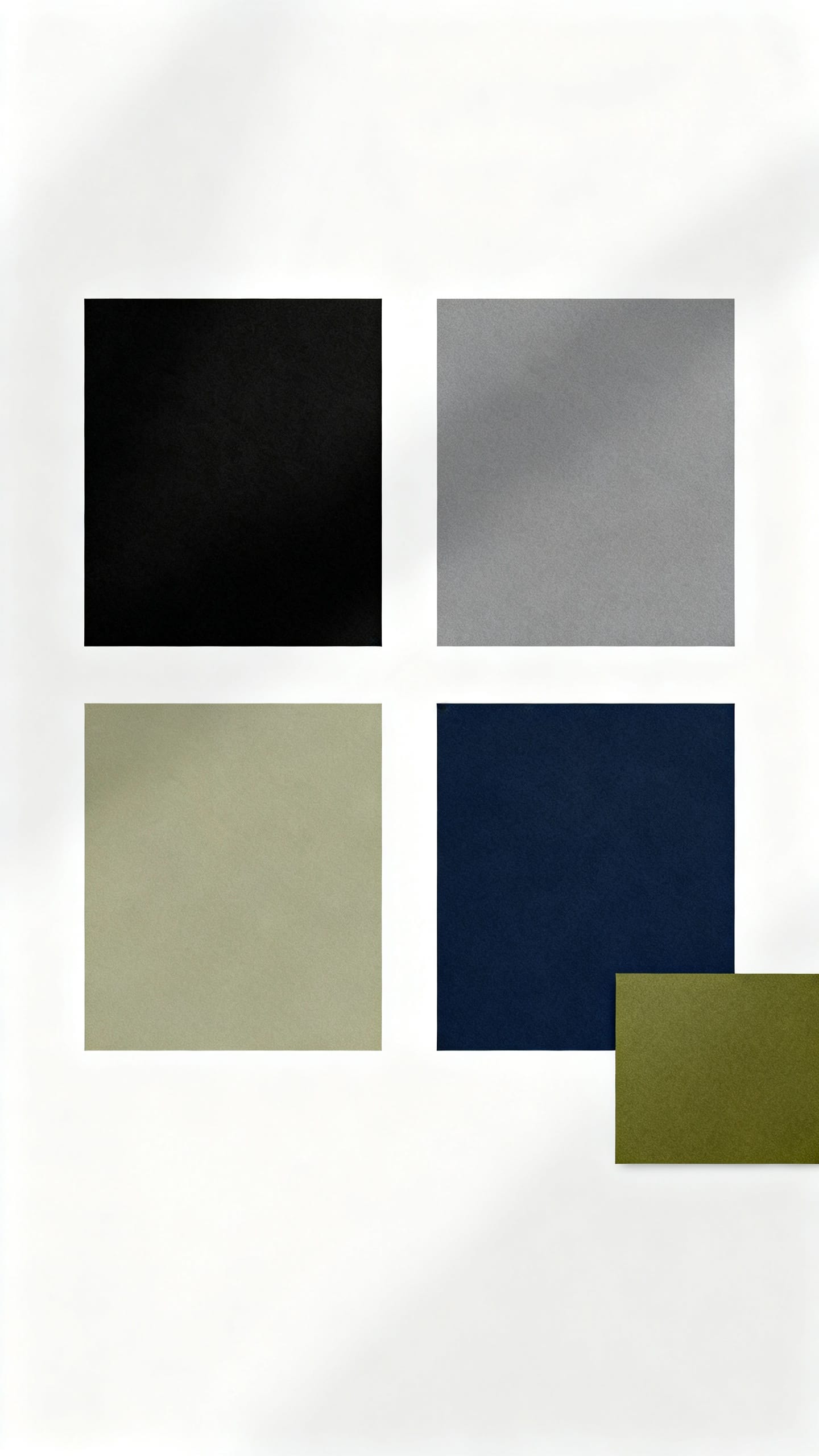
- Commit to a palette: 2-3 neutrals + 1-2 accent colors. Neutrals do the mixing; accents do the personality.
Quick Palette Cheat Codes
- Cool: Navy, gray, white, black, forest green.
- Warm: Camel, cream, olive, chocolate, rust.
- Monochrome: Same color family, different tones. Instant chic, zero thinking.
Buy Fewer, Better Basics
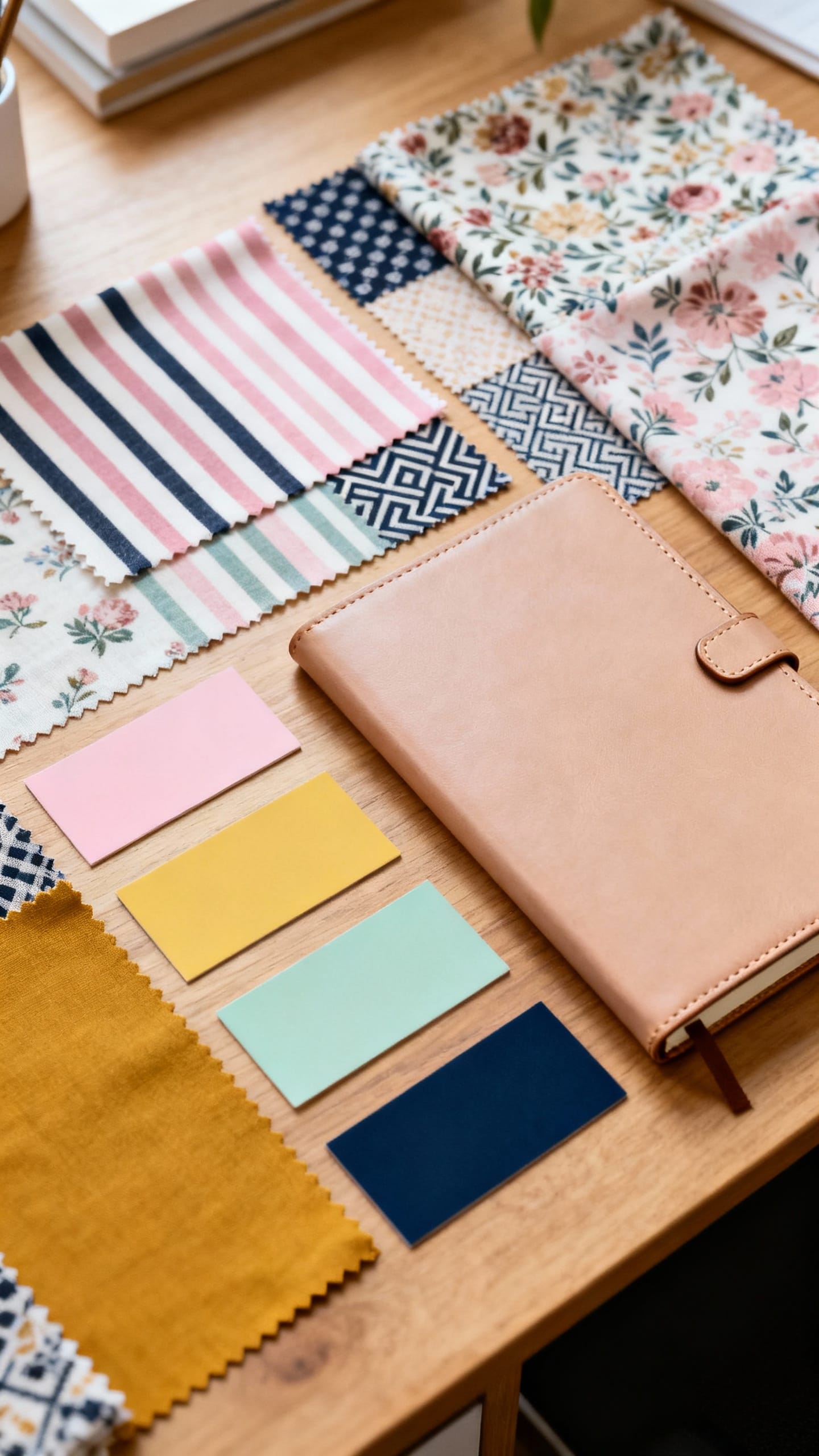
Capsule wardrobe tips feel repetitive because they work. You want pieces that dress up, dress down, and don’t scream for attention. Quiet pieces = loud versatility.
- Tops: 2-3 tees (one white, one black/navy, one heather), 1-2 oxfords or casual shirts, 1 knit (crew or turtleneck).
- Bottoms: Dark denim, neutral chinos (khaki/olive/navy), optional tailored trouser.
- Layers: Unstructured blazer or chore jacket, a light knit, and a weather-appropriate jacket (trench, bomber, or denim depending on climate).
- Shoes: Clean white sneakers, leather boots or loafers, and one weather-proof option.
Rule of thumb: If you can’t wear a new item three ways with what you already own, skip it. Future you will thank you (and so will your bank account).
Fabric Matters More Than Logos
- Cotton: Go for heavier tees (180–220 gsm) so they drape well and last.
- Wool: Merino or lambswool knits handle temperature swings and look polished.
- Linen: For heat. Embrace wrinkles—it’s linen’s personality, not a bug.
- Leather: Full-grain > “Genuine.” Your shoes shouldn’t feel like cardboard, FYI.
Fit: The Unskippable Step
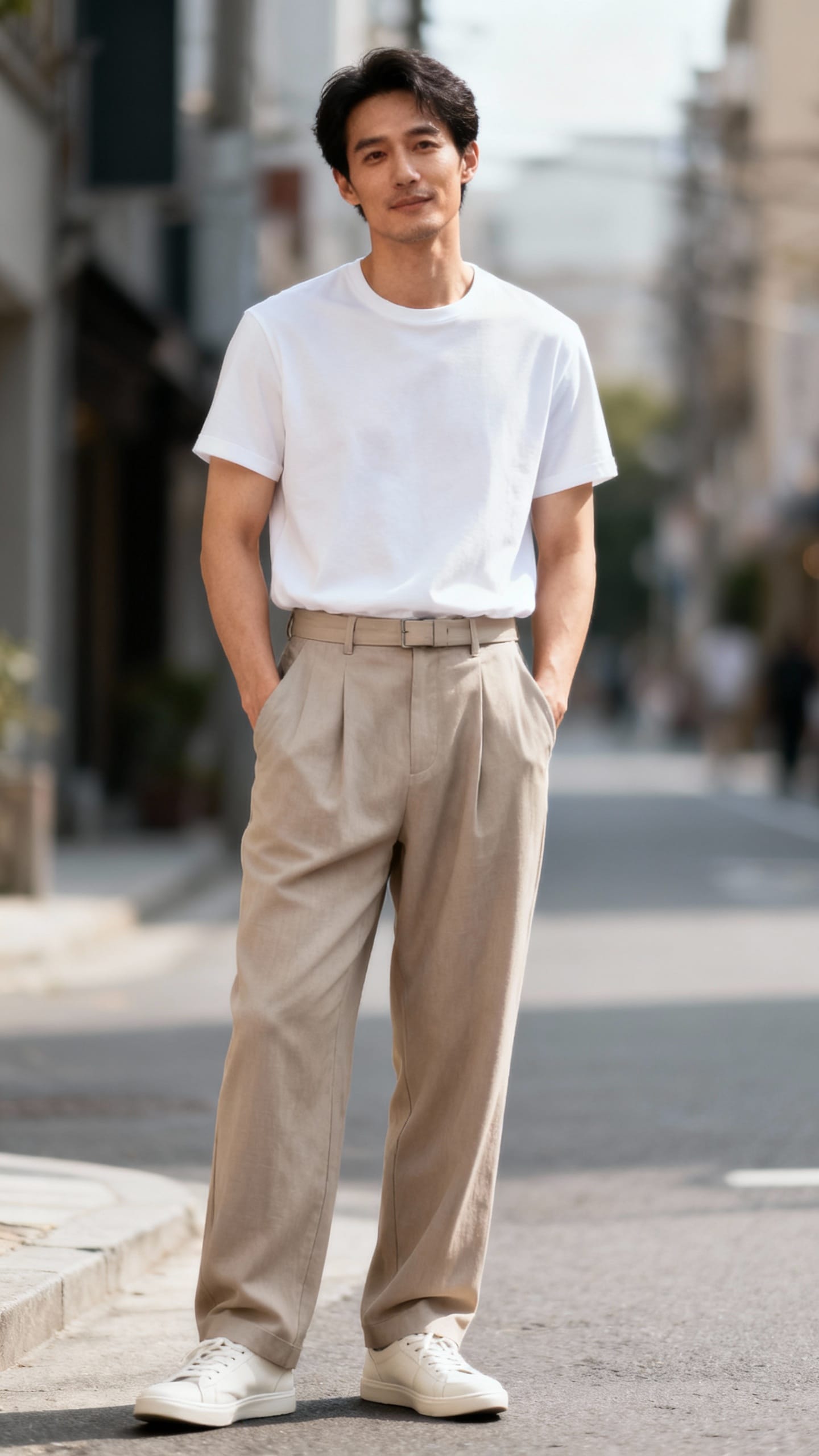
You can nail style with five items if they fit like they were made for you. Most people wear things a size off—either too tight or “I borrowed this from a larger cousin.”
- Shoulders: Seams should hit your shoulder bone. If they slide down your arm, it’s a no.
- Sleeves: End at your wrist bone for shirts; mid-bicep for tees looks clean.
- Trousers: Hem to just touch your shoes with one soft break or cropped for a modern look.
- Tapering: A small alteration transforms bargain pants into “are those tailored?” pants.
Pro move: Find a tailor. They’re style wizards. A $15 alteration can rescue a $50 shirt and make it look $150. IMO, tailoring beats trend-chasing every time.
Silhouette > Size Tags
Focus on proportions: relaxed top with slim bottom, or structured top with relaxed bottom. Balance matters. Baggy everything looks sloppy; tight everything looks uncomfortable.
Master the Mix-and-Match Game
A small wardrobe thrives on combinations. You want clothes that play nice together, not divas that demand specific partners.
- Layering hierarchy: Tee, shirt, knit, jacket. Keep inner layers lighter and slimmer.
- Texture changes everything: Denim + knit + leather = depth without adding color chaos.
- Two-color trick: Pick two base colors and repeat them across your outfit. Easy harmony.
Outfit Formulas You Can Repeat
- Casual: White tee + olive chinos + white sneakers + denim jacket.
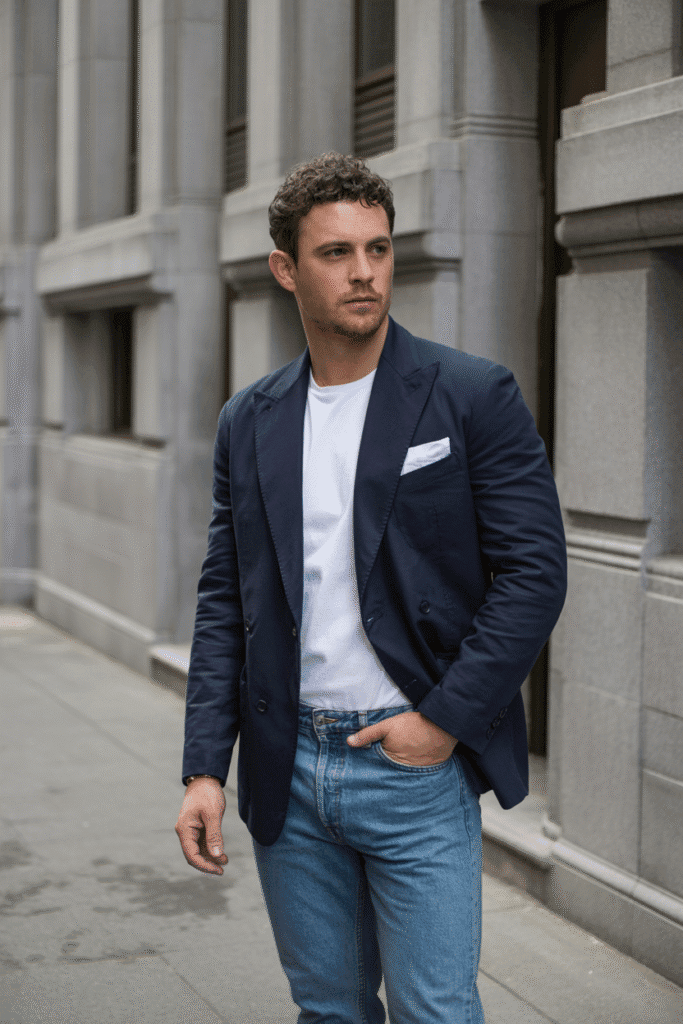
- Smart casual: Oxford shirt + navy chinos + loafers + unstructured blazer.
- Weekend: Black tee + dark denim + boots + chore jacket.
- Warm weather: Linen shirt + tailored shorts + sandals or minimalist sneakers.
Accessories: The Small Stuff That Does Big Work
Accessories keep a tiny wardrobe fresh. They add personality without taking up closet space or forcing you into a second mortgage.
- Belts: One brown, one black (or a woven belt for casual outfits).
- Watches: Classic face, easy strap changes. Swap leather for nylon and boom, new vibe.
- Bags: A neat tote or backpack elevates everything. Skip branding; choose structure.
- Hats and scarves: Functional and stylish. A beanie or silk scarf can carry an outfit—no joke.
- Jewelry: Keep it simple: thin chain, subtle signet ring, or small hoops.
Tip: Rotate accessories with the seasons. It tricks your brain into feeling like you own more stuff. Sneaky, but effective.
Care Like You Mean It
If you treat your clothes like disposable napkins, they’ll repay you by dying early. Take care, and your small wardrobe will outlast trends—and probably your attention span.
- Wash less: Air clothes between wears. Spot clean. Overwashing ruins shape and color.
- Upgrade hangers: Wooden or thick velvet save shoulders. Wire hangers are the enemy.
- Shoe trees: They cost a little and double the life of leather shoes. Magic? No. Just physics.
- De-pill knits: A fabric shaver keeps sweaters from looking tired.
- Seasonal storage: Fold knits, hang wovens, and use cedar to ward off moths (tiny jerks).
Simple Laundry Rules That Matter
- Cold water for most things. Colors stay richer.
- Gentle detergent, especially for wool and darks.
- Air-dry tees and shirts. Dryers eat fibers for breakfast.
Shop With Ruthless Intent
We don’t impulse-buy here. We acquire. Yes, that sounds dramatic. Yes, it works.
- Audit your closet: List what you actually wear. Notice gaps (e.g., you own 6 shirts but zero jackets).
- Set rules: Only buy if it fits your palette, your uniform, and at least three outfits.
- Try secondhand: Thrift, consignment, resale apps. Better fabrics at better prices.
- Upgrade slowly: Replace your most-worn pieces first. You deserve a great pair of everyday shoes.
FYI: Sales are only helpful if you’d pay full price for it. Otherwise, it’s clutter in discount clothing.
FAQs
How many pieces do I actually need?
You can look great with around 20–30 pieces total, shoes included. Think 6–8 tops, 3–4 bottoms, 2–3 layers, 2–3 pairs of shoes, and a handful of accessories. If your job requires specific clothes, count those separately. The exact number matters less than how well they mix.
Can I still follow trends with a small wardrobe?
Yes, but pick trends that align with your core style and buy them in accessories or one statement piece. A trendy bag, a knit in a fashion color, or a shoe silhouette scratches the itch without wrecking your palette. Trends should complement your uniform, not replace it.
What if I get bored wearing the same pieces?
Change the combos, swap accessories, and play with textures. Roll sleeves, tuck shirts, cuff hems. Small tweaks change the feel fast. Also, schedule tiny seasonal refreshes—one new piece per season keeps things interesting, IMO.
How do I build a wardrobe on a tight budget?
Prioritize fit and fabric, shop secondhand, and avoid “almost right” purchases. Buy one great item instead of three mediocre ones. Tailor the cheap wins. If you plan your buys and ignore hype, your budget stretches way farther than you think.
Do I need a blazer if I dress casually?
You don’t need one, but one unstructured blazer or chore jacket skyrockets versatility. It sharpens jeans and tees and works for dinners, dates, and surprise “smart casual” events. If blazers feel too formal, go for a knit blazer or a cotton-linen mix.
How do I pick the right shoes for a minimal wardrobe?
Choose three lanes: casual (white sneakers), smart (loafers or minimal derbies), and weatherproof (boots or treated leather). Keep colors neutral so they pair with everything. Good shoes multitask better than any other item, FYI.
Conclusion
You don’t need more clothes—you need the right ones. Choose a style direction, invest in quality basics, tailor for fit, and master simple combos. Accessorize strategically, care for your gear, and shop with intention. Do that, and your small wardrobe will punch way above its weight—and look better than closets five times the size.
EXPLORE MORE & SHINE DAILY
Discover self-care rituals, glow-enhancing routines, and beauty favorites in our BEAUTY section.
For cozy home inspiration, mindful routines, and soft everyday living, explore HOME & LIFESTYLE.
Find feminine outfits, effortless style ideas, and modern fashion inspiration in FASHION.
Love curated outfits and shoppable inspiration? Visit SHOP THE LOOK to recreate your favorite styles.
Looking for thoughtful ideas for every occasion? Browse our curated GIFT GUIDES.