You don’t need a new wardrobe. You need new eyes. Most people own great clothes—they just hide under impulse buys, mystery stains, and that “maybe one day” dress. Let’s fix that. Here’s how to shop less, style more, and actually enjoy getting dressed without melting your credit card.
Start With a Closet Audit (No, You Can’t Skip It)
Your closet holds answers and the occasional chaos goblin. Pull everything out. Try things on. Be honest: what makes you feel like a million bucks, and what makes you feel like a confused intern?
Keep only what fits, flatters, and functions. If it pinches, pulls, pills, or screams “2014 festival season,” it’s out.
Then group what’s left into categories: everyday basics, statement pieces, “special but wearable,” and true occasion wear.
The Three-Pile System
- Love: Fits now, makes you smile, works with 3+ outfits.
- Maybe: Needs tailoring, or you’re unsure. Revisit in two weeks.
- Donate/Sell: Wrong size, wrong style, or wrong life stage.
FYI: Tailoring often costs less than a new item and gives you a custom fit. Put “tailor pants” on your calendar like a real appointment.
Build a Personal Uniform (But Make It You)
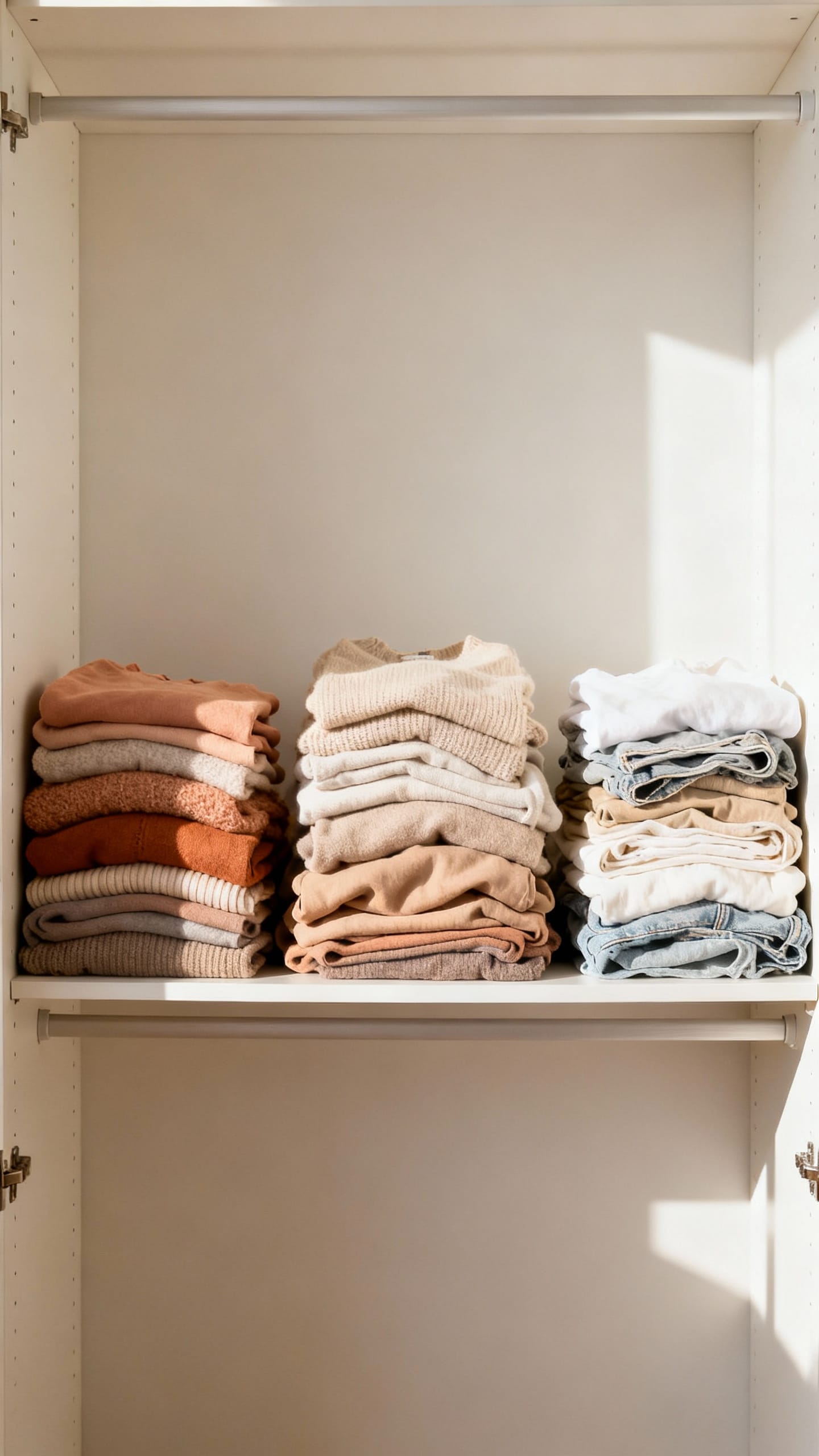
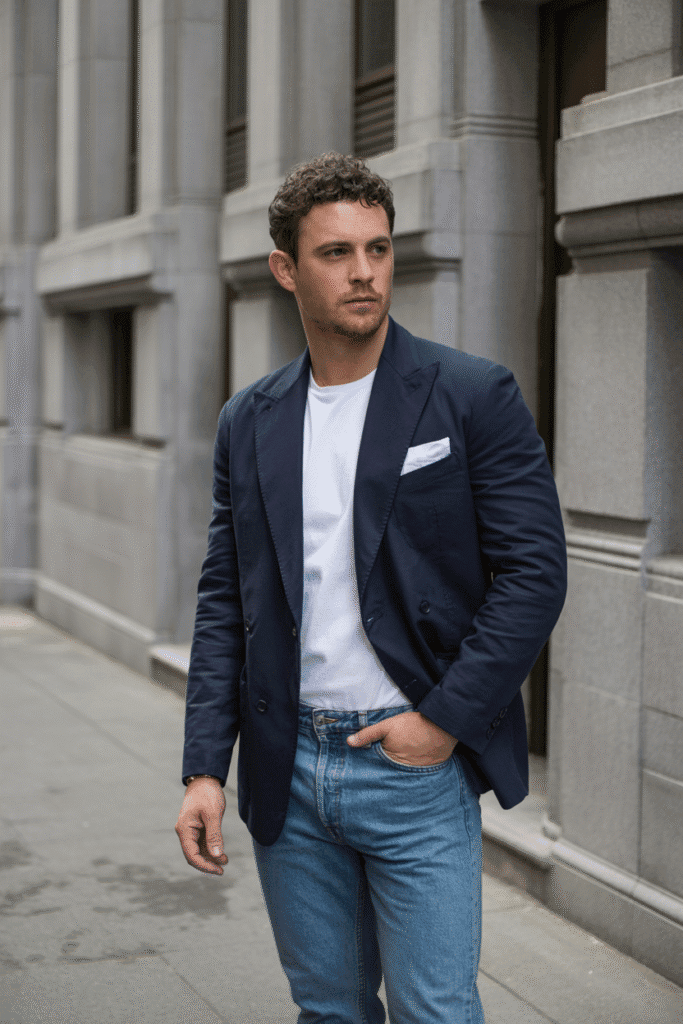
Uniforms aren’t boring; they’re efficient. You already have a go-to combo—maybe it’s high-waist jeans + white tee + blazer. Name it. Own it. Then repeat it with tiny twists.
Pick a silhouette that loves your body and stick to it. Wide-leg + fitted top, or slim pants + oversized top. Balance equals polish.
Create Your Core Formula
Write down one weekday and one weekend look you’d happily wear on repeat. Then list variations:
- Swap the top: tee, turtleneck, silk blouse.
- Change the third piece: denim jacket, cardigan, trench.
- Shoe shift: sneakers, loafers, ankle boots, low heels.
You’ll create 10+ outfits from what you already own. Magic? No. Math.
Make Accessorizing Do the Heavy Lifting
Accessories turn “I got dressed” into “I have taste.” They also cost less than new clothes and take up less space. Win-win.
Use the rule of one upgrade. Elevate any outfit with one standout piece:
- A structured bag with jeans and a tee
- Chunky gold hoop earrings with a hoodie
- A sleek belt to shape an oversized shirt
IMO, a good belt and two pairs of earrings will stretch your wardrobe more than another random top.
Micro-Edits That Change Everything
- Roll or cuff: Show some ankle or wrist to add shape.
- Layer a thin turtleneck: Under dresses or short sleeves for edge.
- Swap laces or straps: Small tweaks, big vibes.
Color Strategy: Pick a Palette, Not a Personality
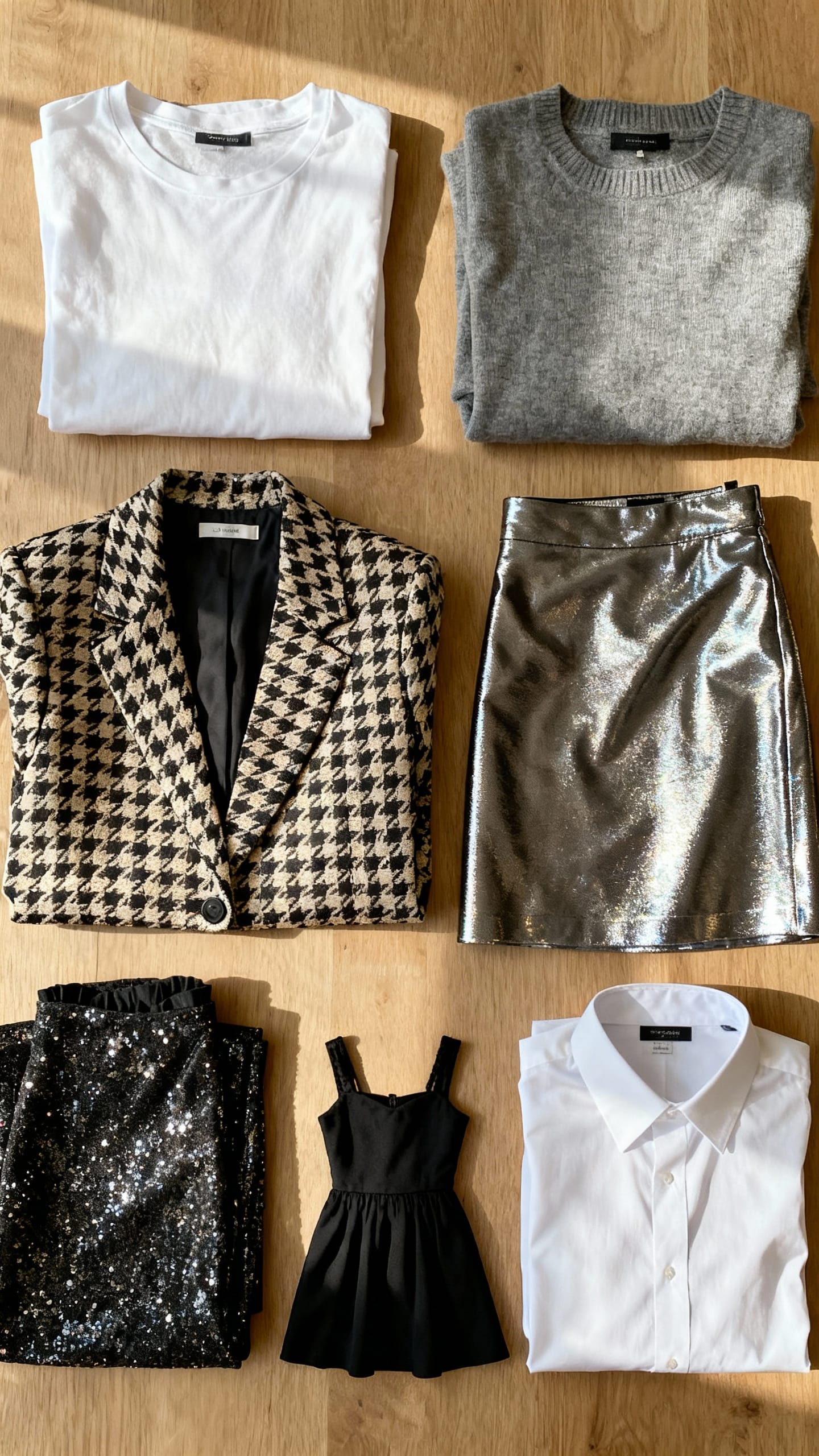
You don’t need to commit to “minimalist beige” or “dopamine dresser.” Just choose a palette that mixes well, then play within it.
Try a 3-2-1 palette:
- 3 neutrals: Black, navy, camel (or your versions).
- 2 accent colors: The shades that make your face light up.
- 1 metallic: Gold or silver for hardware, jewelry, shoes.
This keeps your outfits cohesive without feeling like a uniform. If you love prints, pick prints that borrow from your palette so everything still works together.
Choosing Your Neutrals
If you wear a lot of black, go silver hardware. If you wear camel and olive, go gold. It’s not a law, but it keeps things harmonious. FYI, matching metals on belt/bag/jewelry looks expensive—even when it’s not.
Shop Your Closet Like a Store
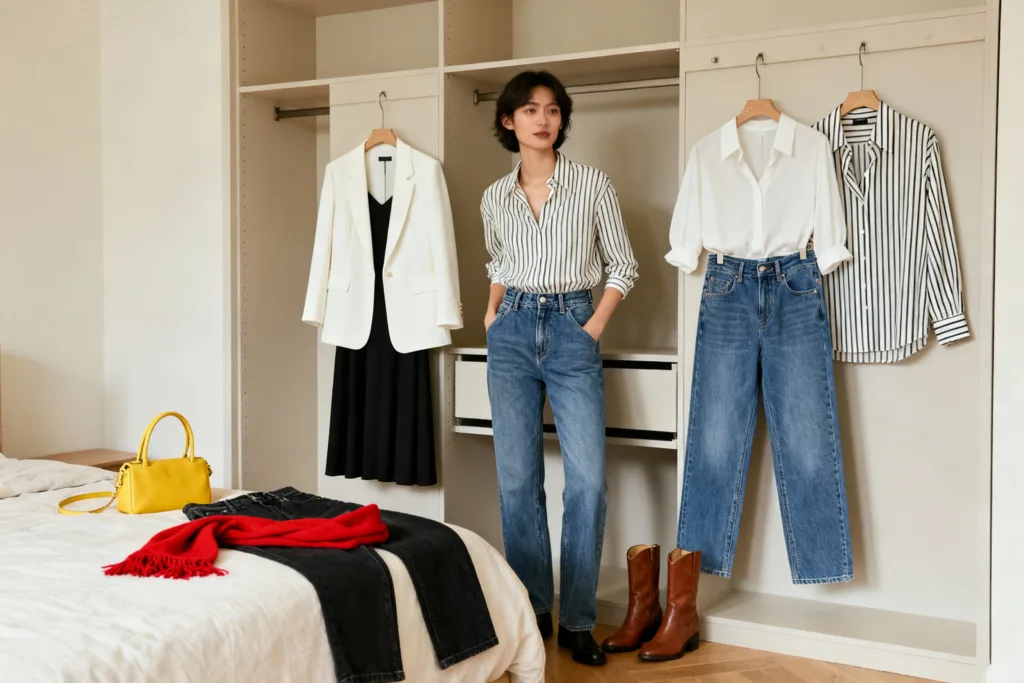
Pretend your closet is a boutique you actually curate. Hang outfits together on one hanger for a week, shoes included. Snap pics of combos you love. Build a little “lookbook” on your phone.
Use themes to inspire outfits:
- All monochrome (the lazy person’s chic)
- High-low mix: fancy skirt + casual knit
- Two textures: denim + silk, leather + cotton
When you treat your wardrobe like inventory, you find hidden gems. Yes, the cardigan you forgot exists still slaps.
30-Day No-Buy Challenge (With a Twist)
Go a month without buying clothes. Instead, style 30 outfits from what you own. If you repeat, change two elements (shoes + earrings, or jacket + bag). By day 30, you’ll know your gaps and your heroes.
Create a Smart Wish List (And Stick to It)
Impulse buys love chaos. Wish lists love clarity. After your no-buy month, list what would multiply your outfits.
Ask these five questions before buying:
- Does it match 5 things I own?
- Will I wear it 20+ times?
- Is this the best version I can find?
- Does it fit right now (no “once I tone my arms” energy)?
- Would I buy it at full price?
If you can’t say yes to at least four, pass. Your wallet says thanks.
Upgrade the Basics, Not the Noise
Good basics do the most: great jeans, quality tees, a blazer that fits, a killer coat, and comfortable shoes. Spend here. Save on trends. Trends can be fun, but pick one at a time and let it play backup, not lead.
Tailoring, Care, and Maintenance: The Style Trifecta
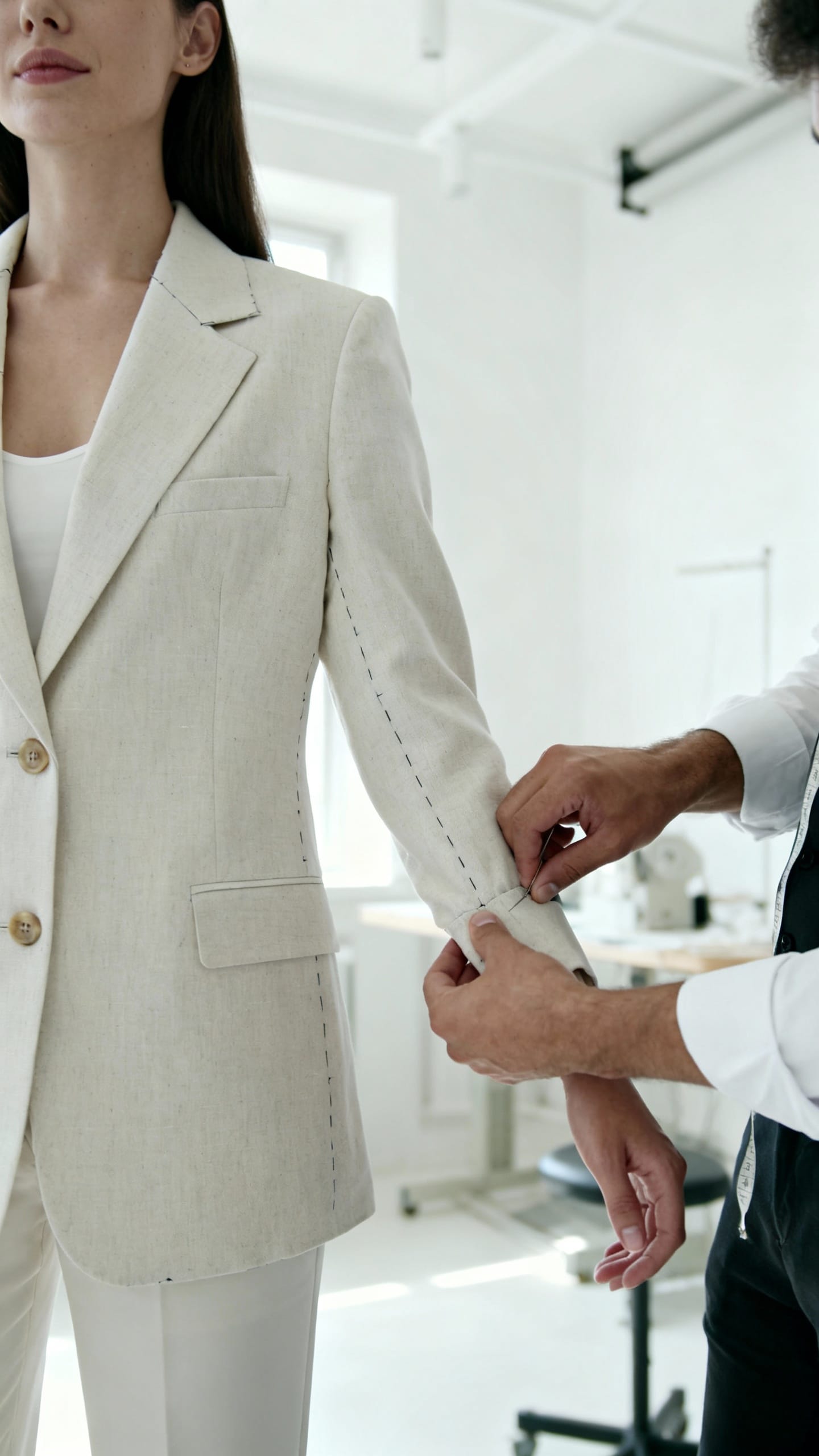
You can’t out-shop poor fit. Tailoring makes clothes look expensive—even fast fashion. Hem pants. Taper sleeves. Fix waist gaps. It’s not boring; it’s transformation.
Care equals longevity:
- Wash less. Air out more. Use a steamer, not an iron.
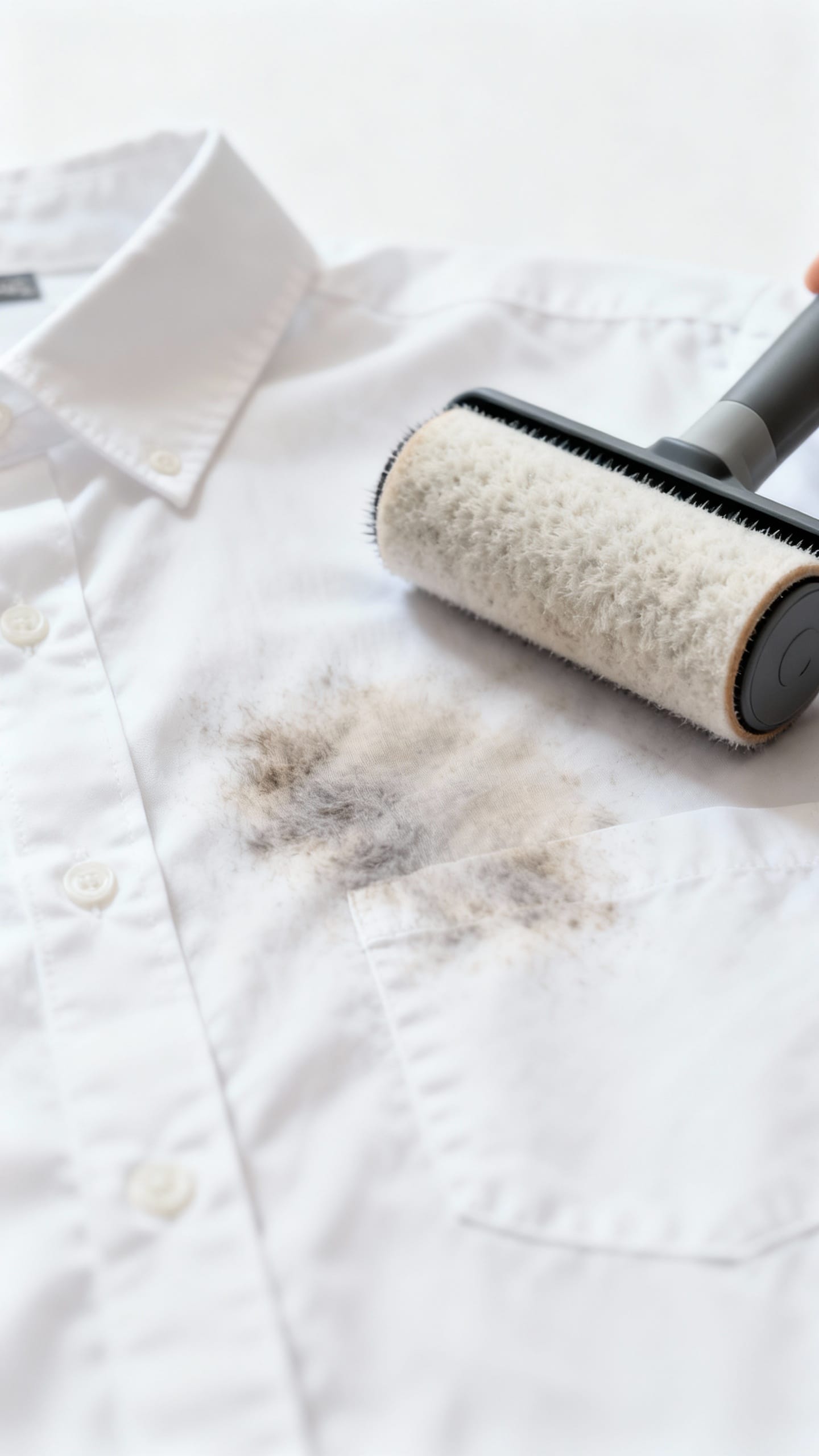
- Get a fabric shaver for pills and a lint brush for life.
- Rotate shoes and use cedar shoe trees (yes, really).
Clothes that look new feel luxe. And you stop craving more when what you own looks top-tier.
Mindset Shifts That Cut Shopping in Half
We don’t shop because we need jeans. We shop because we want a feeling. Confidence. Novelty. A little hit of “new me.” Cool—but you can get that from styling.
Try these quick swaps:
- Want novelty? Change your silhouette for a day.
- Want confidence? Wear a power color or a blazer.
- Feeling meh? Add lipstick or a bold earring.
IMO, style comes from intention, not quantity. Decide who you want to be today, then dress for that person—with what you already own.
FAQ
How do I resist sales without FOMO?
Make a wish list and stick to it. If it’s not on the list, it’s not a deal for you. Screenshot the item, wait 48 hours, and re-check your closet. Nine times out of ten, you’ll realize you already own something similar.
What’s the best way to find my style?
Collect 10 outfit photos you love—Pinterest, Instagram, screenshots. Identify repeating themes: silhouettes, colors, textures. Then build outfits from your closet that echo those patterns. Style isn’t found; it’s edited.
How many basics do I actually need?
Enough to make getting dressed easy, not boring. Aim for 2-3 tops you’d wear weekly, 2 pairs of go-to pants, a layering jacket, and two everyday shoes. Add a statement piece or two so outfits don’t feel flat.
Should I ever buy trendy items?
Yes—strategically. Pick one trend that plays well with your core wardrobe. Try it in a lower-cost or secondhand version first. If you wear it constantly, upgrade later.
Is a capsule wardrobe the only way?
Nope. Capsules help, but they’re not mandatory. You just need cohesion: a palette, a few silhouettes, and consistent materials. Think “coordinated closet,” not “minimalist prison.”
How do I style what I own without getting bored?
Set micro-challenges. Monochrome Monday. Texture Tuesday. Statement earrings only on Wednesdays. You’ll see old pieces differently, and you’ll unlock new combos without buying anything.
Conclusion
Shopping less doesn’t mean dressing less. It means dressing smarter. Audit your closet, build your uniform, let accessories work, and make a wish list that serves your actual life. When you treat what you own like a carefully curated collection, your style shows up—without a delivery box.
EXPLORE MORE & SHINE DAILY
Discover self-care rituals, glow-enhancing routines, and beauty favorites in our BEAUTY section.
For cozy home inspiration, mindful routines, and soft everyday living, explore HOME & LIFESTYLE.
Find feminine outfits, effortless style ideas, and modern fashion inspiration in FASHION.
Love curated outfits and shoppable inspiration? Visit SHOP THE LOOK to recreate your favorite styles.
Looking for thoughtful ideas for every occasion? Browse our curated GIFT GUIDES.