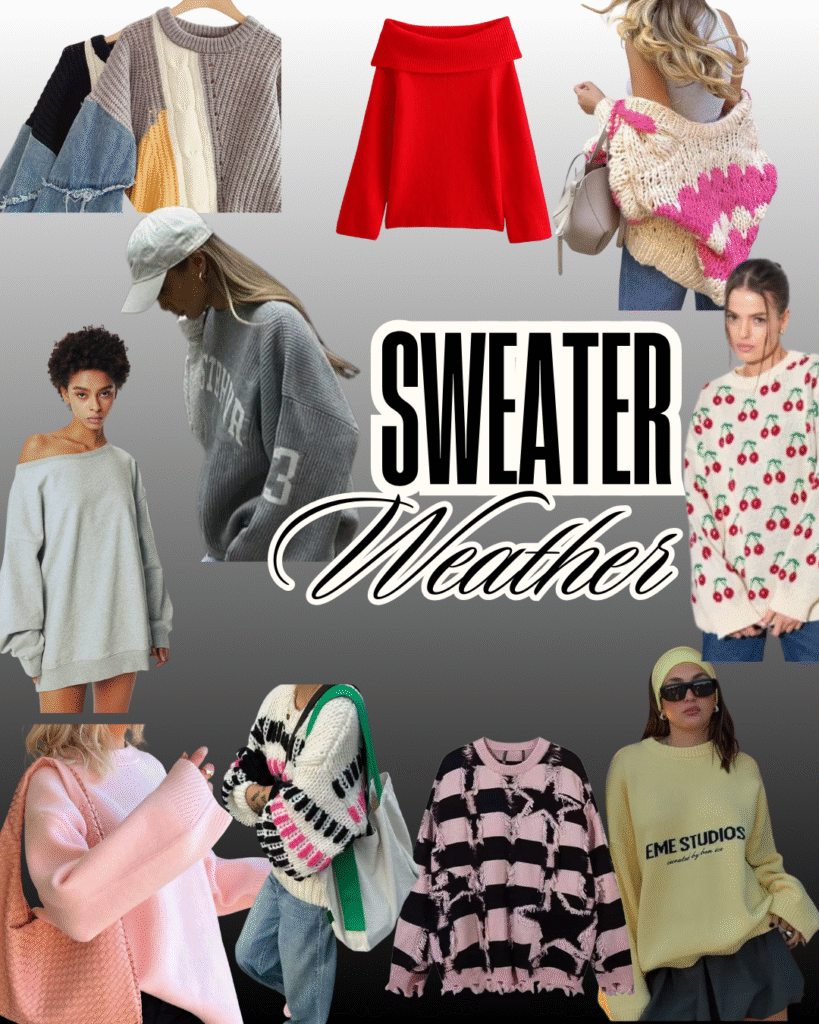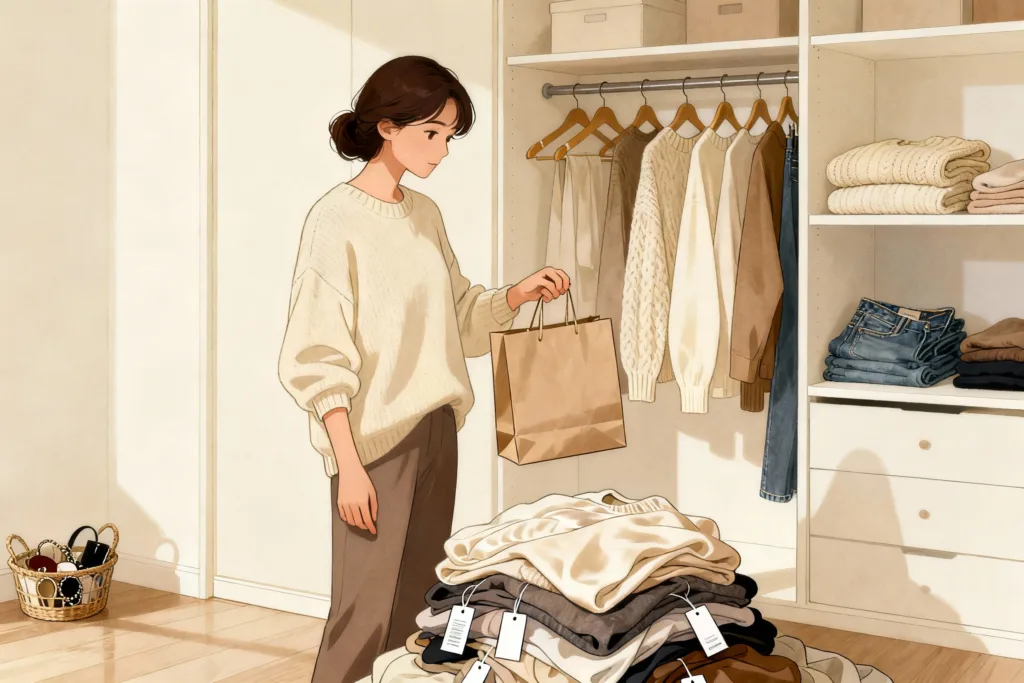
Your closet is full, but your outfits never hit right. You swear you have nothing to wear, yet packages keep landing on your doorstep like homing pigeons. The worst part? Half of it still has tags. Let’s fix that. Here’s how to stop impulse buying clothes you never wear and actually build a wardrobe that works.
Figure Out Why You Click “Add to Cart”
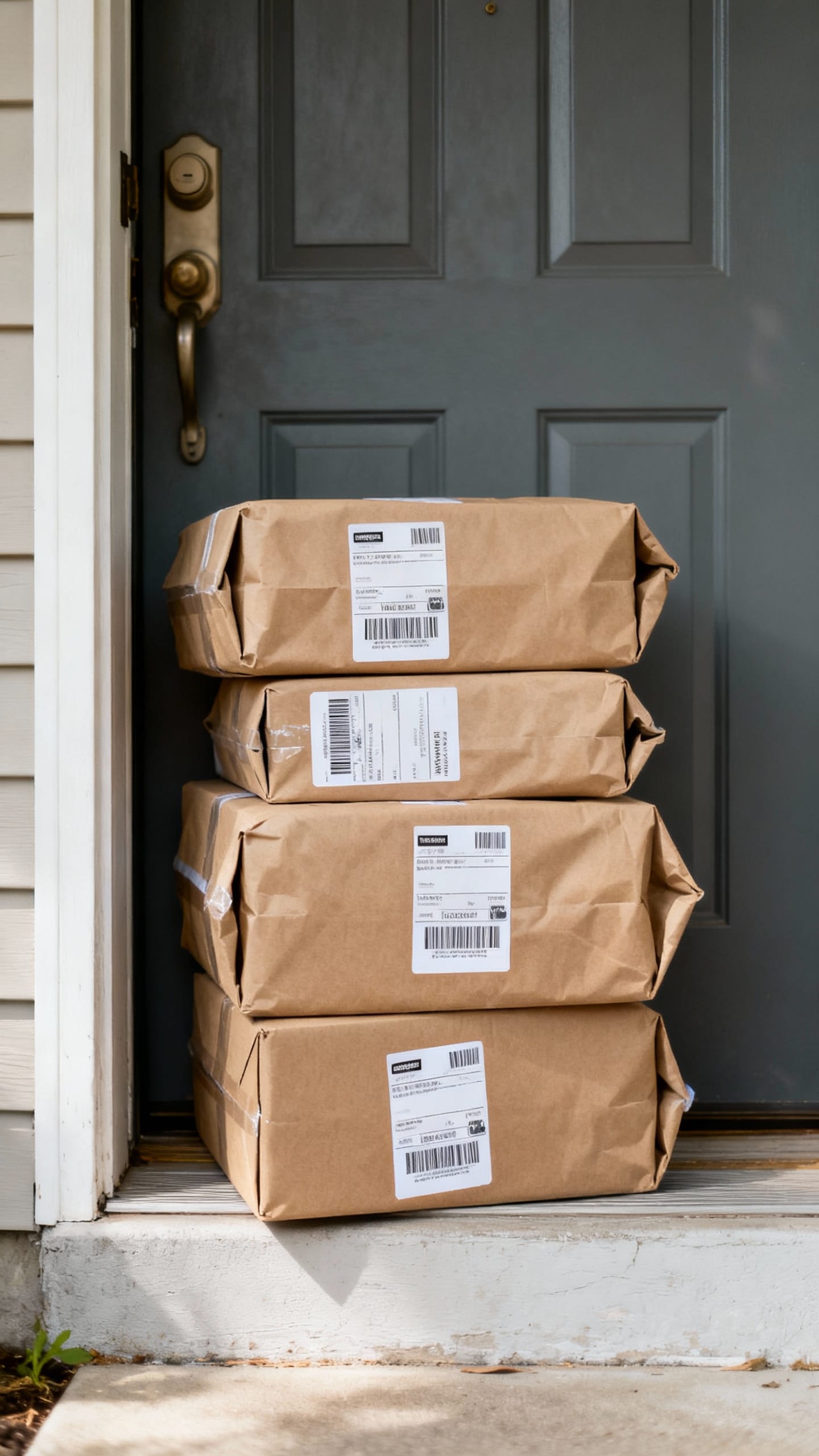
You don’t impulse buy because you love fashion—well, maybe a little—you do it because something triggers you. Boredom, stress, a sale timer, or that creator’s “must-have haul” can push your brain into treat mode. Recognize those moments.
Ask yourself: what’s the pattern? Do you buy at night when you’re tired? After a rough day? When you think an event will magically make you stylish? Name the trigger, and you can dodge it.
Spot the Sneaky Marketing Traps
Sales countdowns, “only 2 left!” messages, and refer-a-friend discounts work because they create fake urgency. FYI, retailers restock all the time. When you see urgency tactics, pause. If it’s truly worth it, it’ll be worth it tomorrow.
Build Your Personal “Uniform” (Without Looking Like a Cartoon)
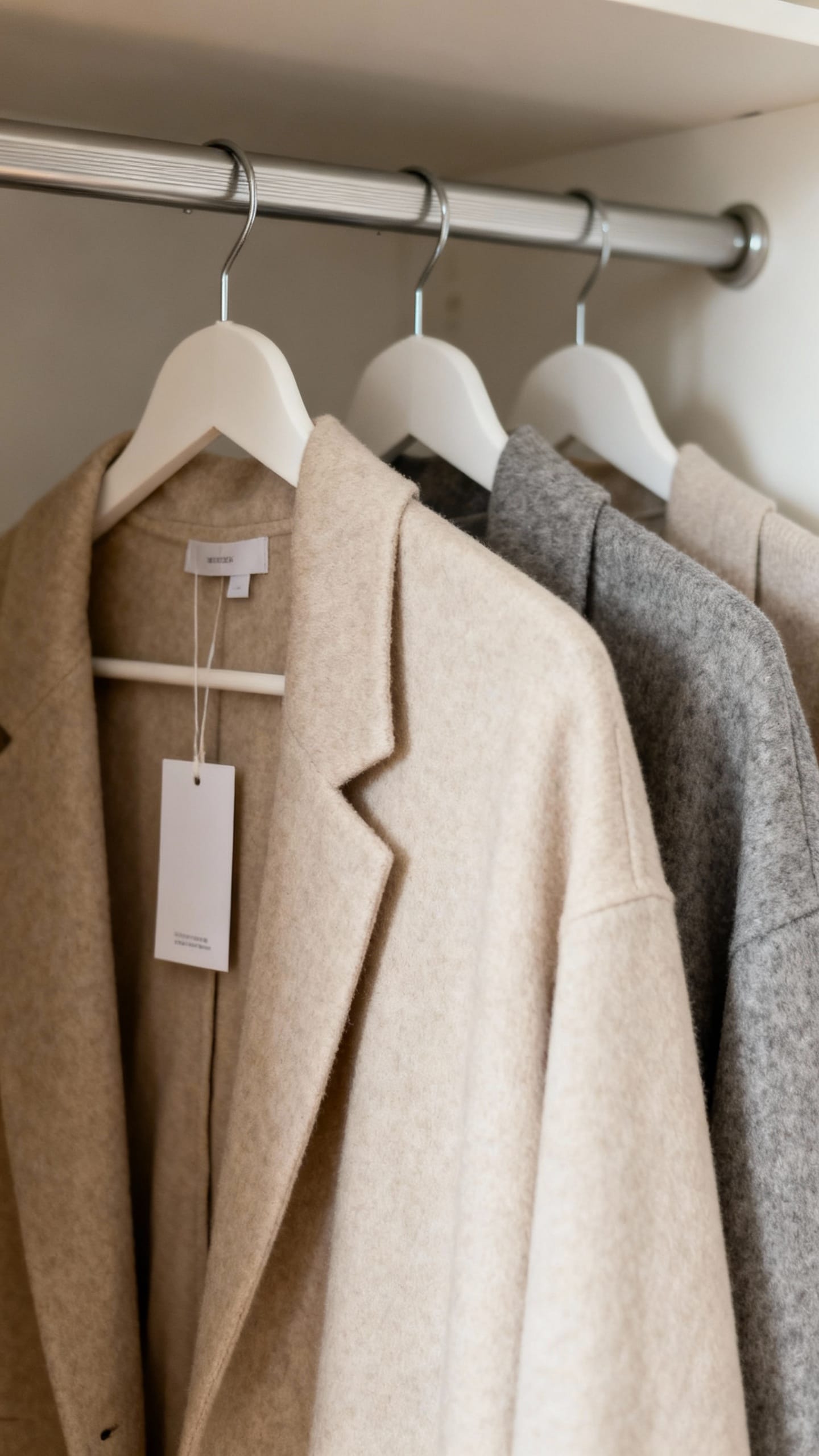
A uniform doesn’t mean wearing the same black turtleneck every day—unless that’s your vibe. It means curating a small set of silhouettes and colors that always look good on you. Decide what your winning formulas are and stick to them.
- Pick 2-3 silhouettes you love (e.g., cropped top + high-rise wide-leg; fitted knit + straight jeans; oversized blazer + tee).
- Choose a main color palette (neutrals plus 2-3 accent shades).
- Identify your go-to shoe styles that work with most outfits.
When you know your formulas, you can spot imposters fast. If a piece doesn’t slot into a formula, it’s probably “closet decor.”
Test the “Three Outfit Rule”
Before buying, name three distinct outfits you can make with items you own already. If you can’t do this in 60 seconds, pass. Bonus: actually imagine yourself wearing those outfits to real places you go. Grocery store chic? Yes. Co-worker’s birthday dinner? Even better.
Put Speed Bumps Between You and the Purchase
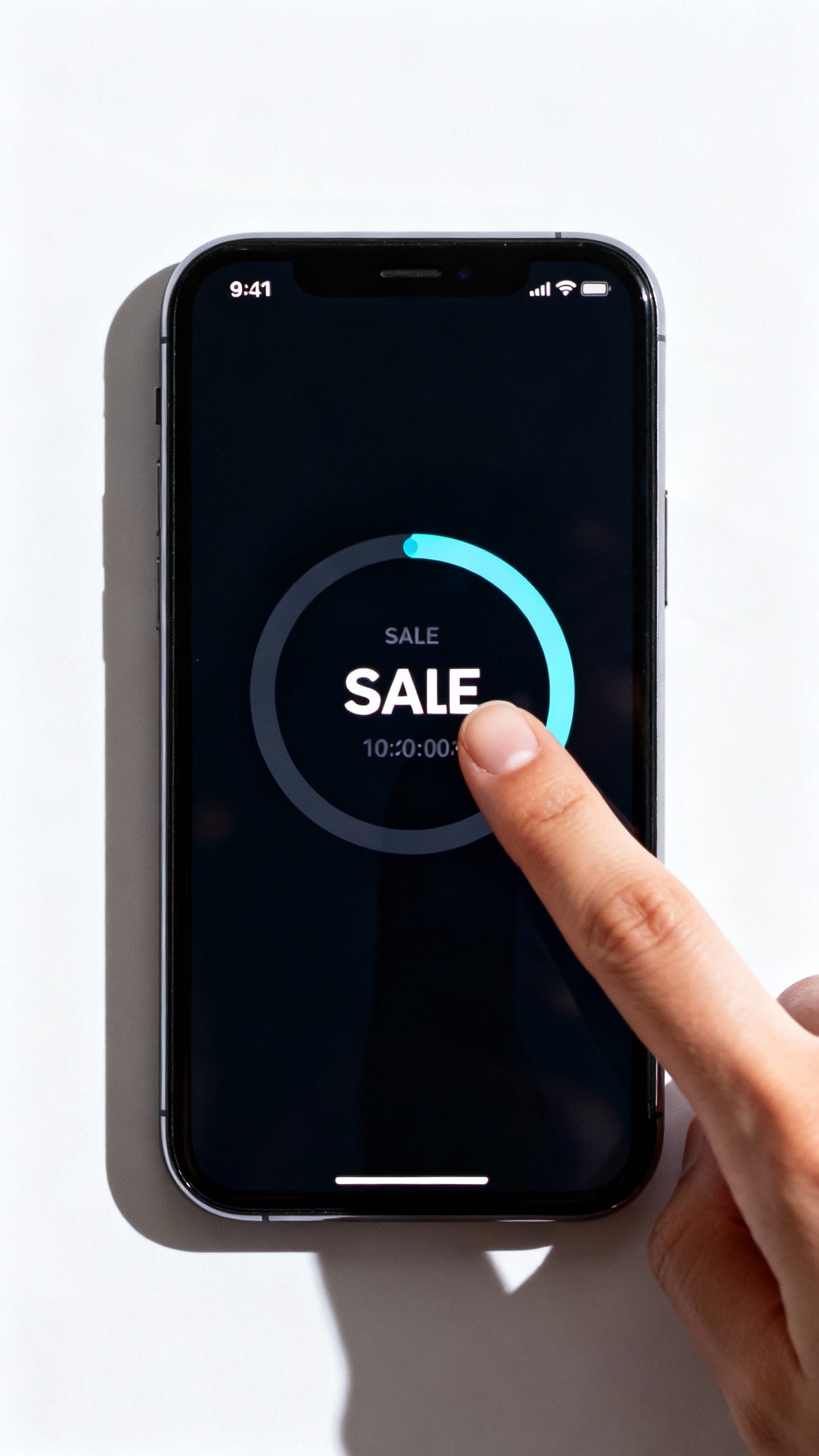
Your brain loves instant dopamine. So slow it down. Create tiny obstacles that give you time to think.
- Remove saved cards from shopping sites. Typing in numbers kills impulse buys.
- Use a 48-hour wishlist rule. Add it to a list, set a reminder, walk away.
- Unsubscribe from sale emails and move shopping apps off your home screen.
- Shop on desktop only. Mobile makes it too easy.
- Price-per-wear check: Will you wear it 20+ times? If yes, does the math make sense?
Sounds boring? That’s the point. Boredom saves money.
Adopt the One-In, One-Out Policy
If something comes in, something similar goes out. New jeans? One old pair leaves. This forces you to consider whether the new thing actually improves your wardrobe. If you can’t let anything go, you don’t need anything new. IMO, it’s brutal but effective.
Audit Your Closet Like a Stylist (But Faster)

You don’t need a full capsule wardrobe to stop impulse buys, but you do need clarity. Block one hour. Pull everything out that you never reach for and ask why.
- Fit issue? Tailor it or let it go.
- Itchy fabric? Donate. You won’t magically tolerate it later.
- Too bold for daily life? Keep one statement piece, not five duplicates.
- Wrong color? Trust your mirror, not the model.
Make three piles: Love, Maybe, No. The “Maybe” pile gets a trial period—hang those items front and center. If you don’t wear them in two weeks, they become “No.”
Create a Smart Shopping List
Identify gaps that stop outfits from working. Maybe you need a belt that actually fits, a layering tee, or a neutral sneaker. Write a specific list and shop only from it. “Black trousers, straight-leg, ankle length, no stretch, mid-rise” beats “pants” every time.
Replace the High: Style What You Own
Impulse buying scratches an itch: novelty. So get your novelty elsewhere. Treat styling like a mini creative project.
- Set a 10-minute timer and build three new outfits with existing pieces.
- Use a mood board. Screenshot looks you love and recreate them with what you own.
- Try “theme days” (Monochrome Monday, Vintage Friday). It’s silly, but it works.
You’ll discover “new” clothes hiding in plain sight. Also, you’ll actually know what you’re missing—if anything.
Track Your Real-Life Outfits
For two weeks, take quick mirror pics. You’ll see what you wear on repeat and what collects dust. Then align future purchases with the repeat offenders. If you live in jeans and sneakers, buying another satin mini skirt won’t change your life, FYI.
Buy Better (When You Do Buy)
You’re not swearing off shopping; you’re shopping smarter. That means you choose pieces that last and fit your life.
- Fabric first: Look for natural fibers or blends that breathe and don’t pill instantly. Touch matters.
- Fit over size: Two sizes, one trip to the tailor. Clothes that fit get worn.
- Care check: If it needs handwashing and you know you won’t, skip it.
- Return policy: If you can’t return it, assume you’ll regret it.
And please stop buying “event dresses” for hypothetical galas. Rent for special occasions. Own the everyday heroes.
Create a Personal Style Filter
Before checkout, ask:
- Does this match my uniform silhouettes?
- Can I make three outfits now?
- Will I wear it 20+ times in the next year?
- Does the color love my face, or does it fight it?
- Would I pay full price? If not, I’m just chasing the discount.
If you get three “no” answers, close the tab. Your future self will send a thank-you note.
Plan for Edge Cases: Sales, Vacations, and Big Events
Sales don’t save money when you buy things you won’t wear. Vacations trick you into buying a new wardrobe for five days. Big events make you panic-buy. Let’s stop the chaos.
- Sales: Shop your pre-made list only. Filter by your sizes and colors, then exit.
- Vacations: Build a tiny capsule with interchangeable pieces. If it wouldn’t work at home too, don’t buy it.
- Events: Rent, borrow, or re-style what you own with different accessories. No one remembers your shoes from last time.
FAQ
How do I stop buying when I feel stressed?
Pre-commit to a different stress ritual: a walk, a podcast, or a five-minute stretch. Move your shopping apps off your home screen and remove saved cards. The extra friction breaks the loop. Also, set a 48-hour rule—stress fades, better choices appear.
Is it okay to keep a “fun” budget for fashion?
Absolutely. IMO, a small monthly style fund prevents binge shopping later. Just aim it at items from your list, or treat yourself to one statement piece each quarter. Constraints make your style sharper.
How do I tell if I’ll actually wear something?
Run it through your filters: three outfits, 20 wears, works with your silhouettes and colors, passes the comfort test. If you still hesitate, you just answered your own question. Hesitation usually means “no.”
What should I do with clothes I never wear?
Sell quality items on resale platforms, donate gently used pieces, and recycle damaged items at textile programs. Create space for things you love. Clutter fuels impulse buys because you can’t see what you have.
How often should I edit my wardrobe?
Do a quick sweep every season and a deeper audit twice a year. Your lifestyle shifts—your closet should follow. Promotions, moving cities, new hobbies—update accordingly.
What if I love trends?
Pick one or two trends that play nicely with your basics. Buy them in your colors and silhouettes. When the trend fades, you’ll still wear the piece because it feels like you—not a costume.
Conclusion
Impulse buying isn’t a moral failing; it’s a habit. You can break it with tiny speed bumps, a clear style template, and a smarter shopping list. Buy less, choose better, wear everything. Your wallet and your closet will finally be on speaking terms. And yes—you’ll still look great, FYI.
EXPLORE MORE & SHINE DAILY
Discover self-care rituals, glow-enhancing routines, and beauty favorites in our BEAUTY section.
For cozy home inspiration, mindful routines, and soft everyday living, explore HOME & LIFESTYLE.
Find feminine outfits, effortless style ideas, and modern fashion inspiration in FASHION.
Love curated outfits and shoppable inspiration? Visit SHOP THE LOOK to recreate your favorite styles.
Looking for thoughtful ideas for every occasion? Browse our curated GIFT GUIDES.