Introduction
In our fast-paced lives, staying organized can be the key to achieving our goals and reducing stress. This article explores a variety of organization and productivity hacks to help you streamline your home, manage your time effectively, and maintain digital order. Whether you’re looking to declutter your space, enhance your time management skills, or find innovative ways to organize your work and study environments, this guide will provide you with practical tips and strategies. Let’s dive into the essentials of getting organized and leveling up your life!
Understanding the Importance of Organization
Why Being Organized Matters
Being organized is more than just a nice-to-have; it’s essential for a productive life. When you organize your space, time, and tasks, you create an environment that encourages focus and efficiency. Clutter—in both physical and mental forms—can lead to increased stress levels, distractions, and ultimately, unproductive habits. In contrast, an organized system can help you navigate daily challenges with ease, making it easier to achieve your objectives and maintain overall well-being.
Furthermore, organization enhances decision-making capabilities. When everything is in its place, you spend less time searching for items or information. This clarity can boost your confidence and facilitate a proactive mindset, allowing you to tackle your tasks head-on. In essence, organization is the foundation of effective living, fostering a sense of control and accomplishment.

Benefits of an Organized Space
An organized space contributes significantly to your mental clarity and productivity. A clean, orderly environment can reduce anxiety and create a serene atmosphere that encourages creativity and focus. Studies show that individuals who maintain organized spaces often experience improved emotional health and increased motivation levels. Moreover, organization can enhance your efficiency; for instance, having a designated spot for frequently used items saves you time and effort, allowing you to direct your energy toward more important tasks.
Another benefit of an organized space is the ability to track your belongings and activities easily. When everything has a home, you minimize the risk of losing important items or forgetting commitments. This reliability can lead to better time management and more fulfilling personal and professional relationships. Ultimately, an organized space is not just about aesthetics; it is a crucial aspect of a productive and balanced lifestyle.
Home Organization Hacks
Decluttering Your Space
The first step toward an organized home is decluttering. Begin by sorting through your belongings and identifying items you no longer need. The 80/20 rule can be helpful here; often, we only use 20% of our possessions regularly. By letting go of excess items, you free up space and mentally prepare yourself for a more organized environment. Consider implementing the ‘one-in, one-out’ rule—whenever you acquire a new item, let go of an old one.
Another effective decluttering technique is the ‘four-box method,’ where you use boxes labeled ‘Keep,’ ‘Donate,’ ‘Sell,’ and ‘Trash.’ This approach allows you to systematically evaluate your items and ensure they are categorized appropriately. Set a timeline for your decluttering efforts, and don’t forget to celebrate small wins along the way. The process may feel overwhelming initially, but the end result—an organized and calming home—will be well worth the effort.

Creative Storage Solutions
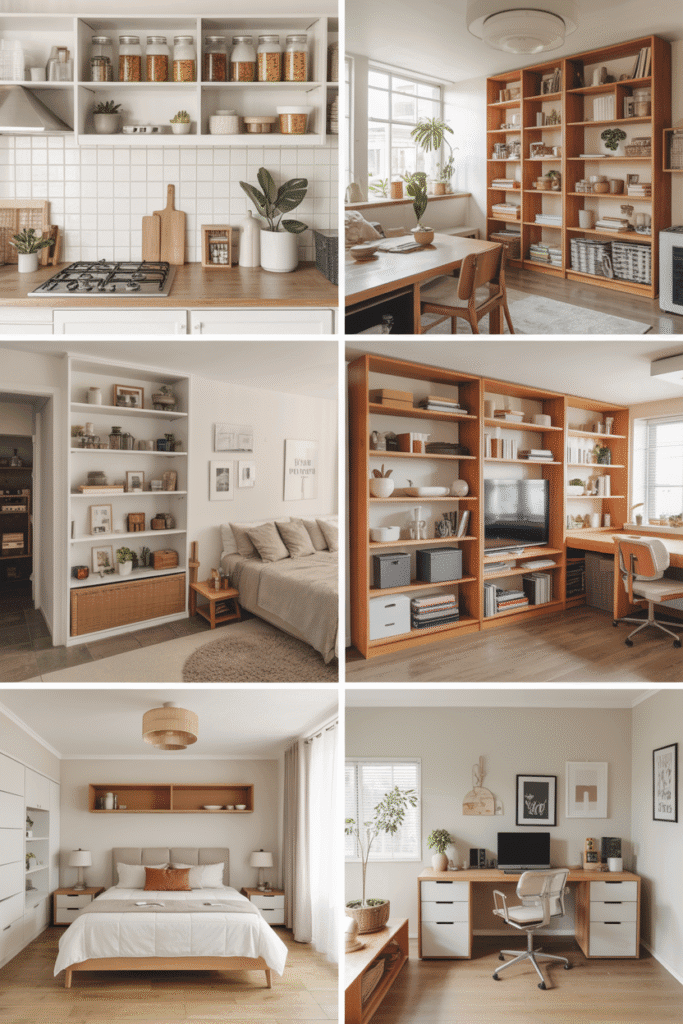
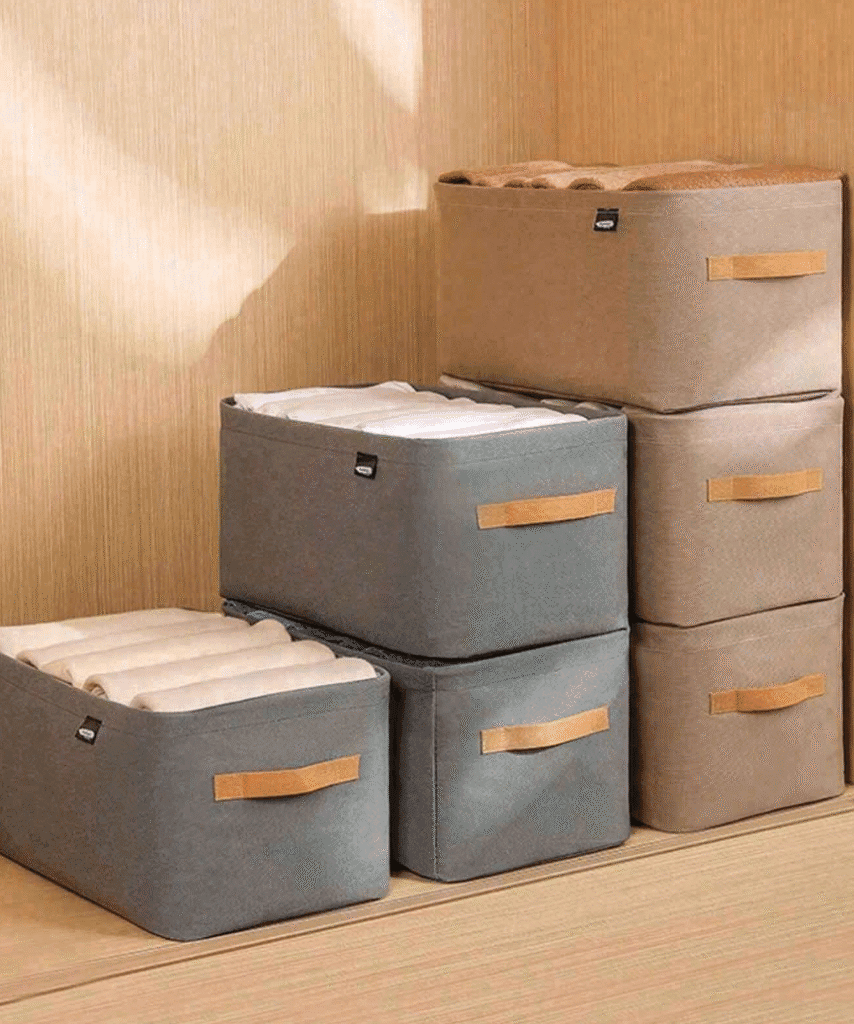
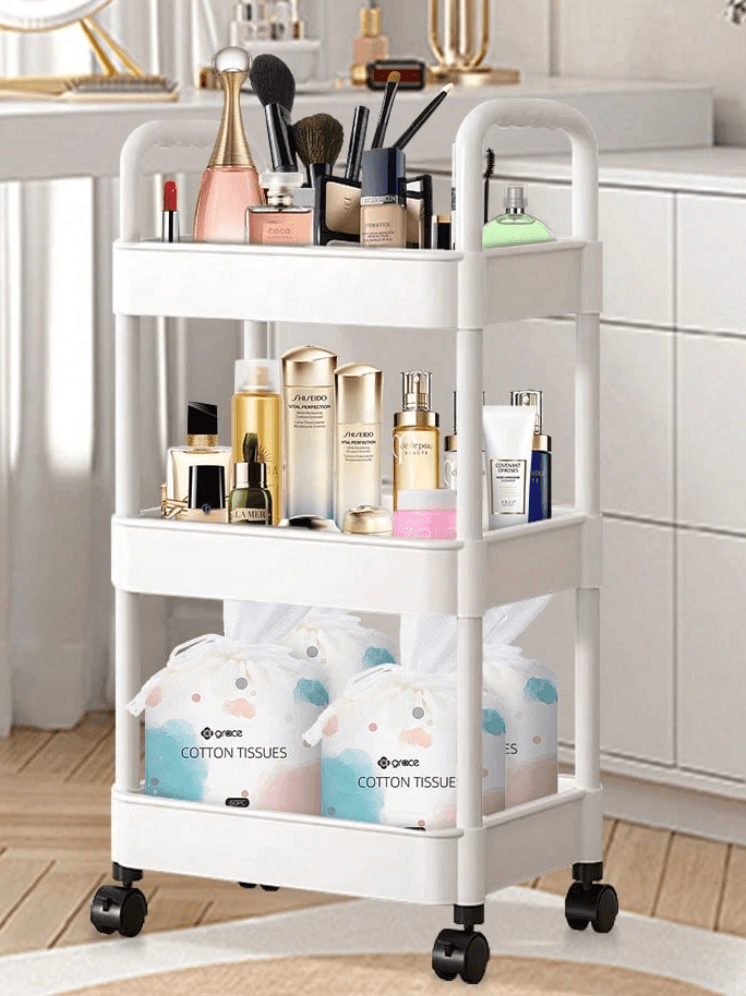
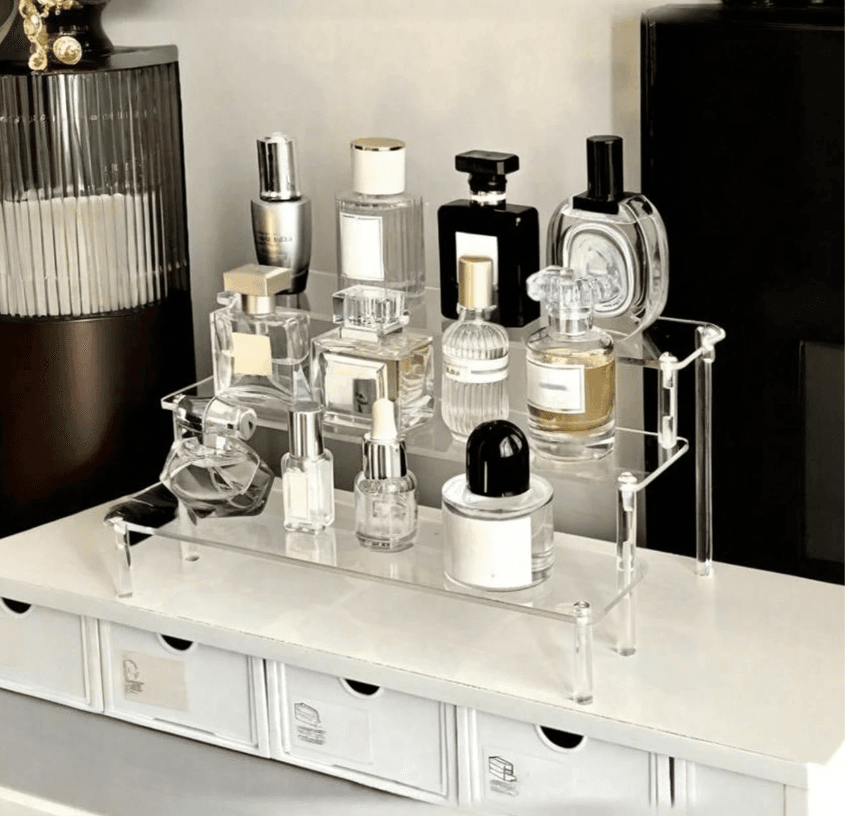
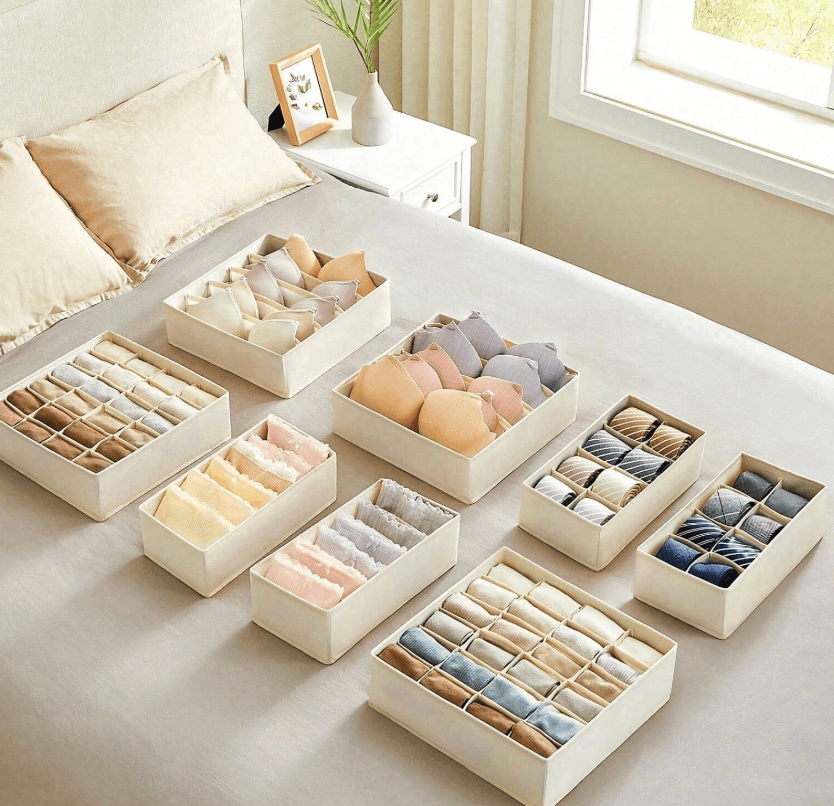
Once you’ve decluttered, the next step is to implement creative storage solutions. Think vertically; use wall shelves, hooks, and pegboards to maximize space. Baskets and bins can be excellent for organizing smaller items while maintaining a clean look. Consider multifunctional furniture, such as ottomans with storage inside or beds with built-in drawers, to optimize your space further.
Labeling is another important aspect of organization. Clear bins with labels help everyone in the household find what they need quickly, ensuring that everything goes back to its designated place. By combining practical storage solutions with aesthetic choices, you can create a home that is both functional and beautiful.

Room-by-Room Organization Tips
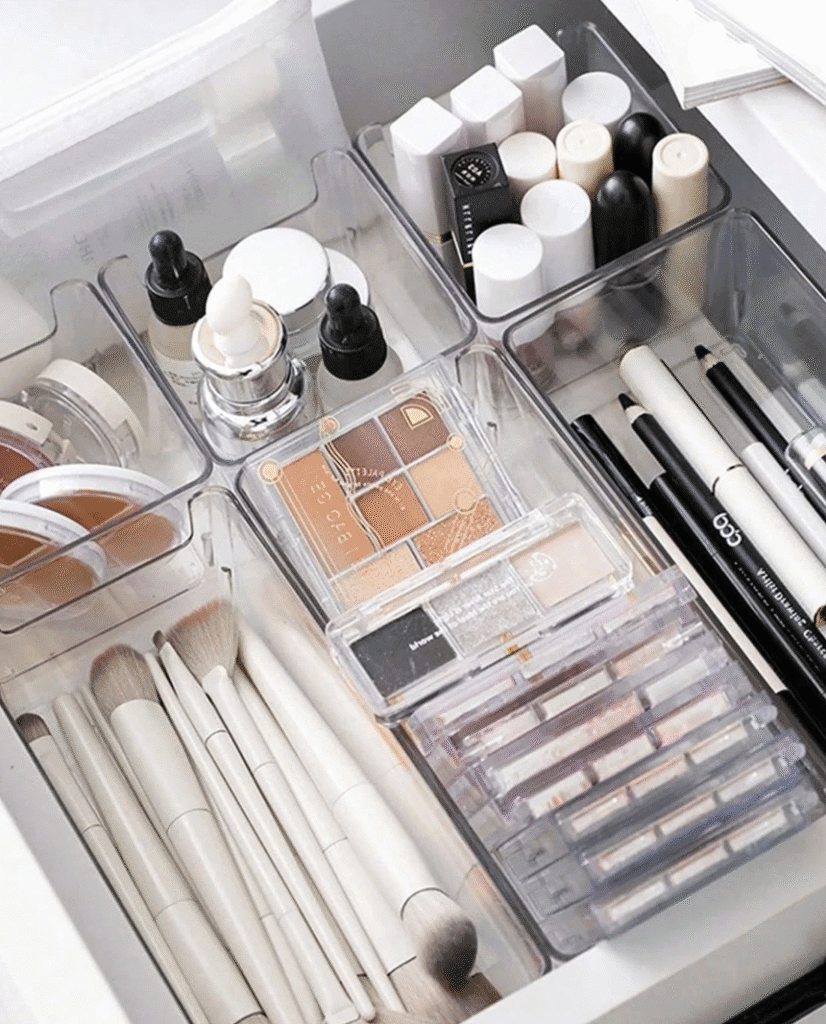
To further streamline your organization efforts, focus on each room in your home individually. In the kitchen, use drawer dividers to keep utensils sorted and consider a spice rack to make your cooking essentials easily accessible. In the living room, create a designated area for remote controls and coasters to prevent clutter on tables. Bedrooms can benefit from under-bed storage for seasonal clothing, while bathrooms can use tiered organizers for toiletries.
Finally, remember that the organization is an ongoing process. Regularly assess your spaces and make necessary adjustments to maintain order. Whether it’s a monthly decluttering session or a seasonal refresh, keeping your home organized will enhance both functionality and enjoyment.
Time Management Techniques
Creating a Daily Schedule
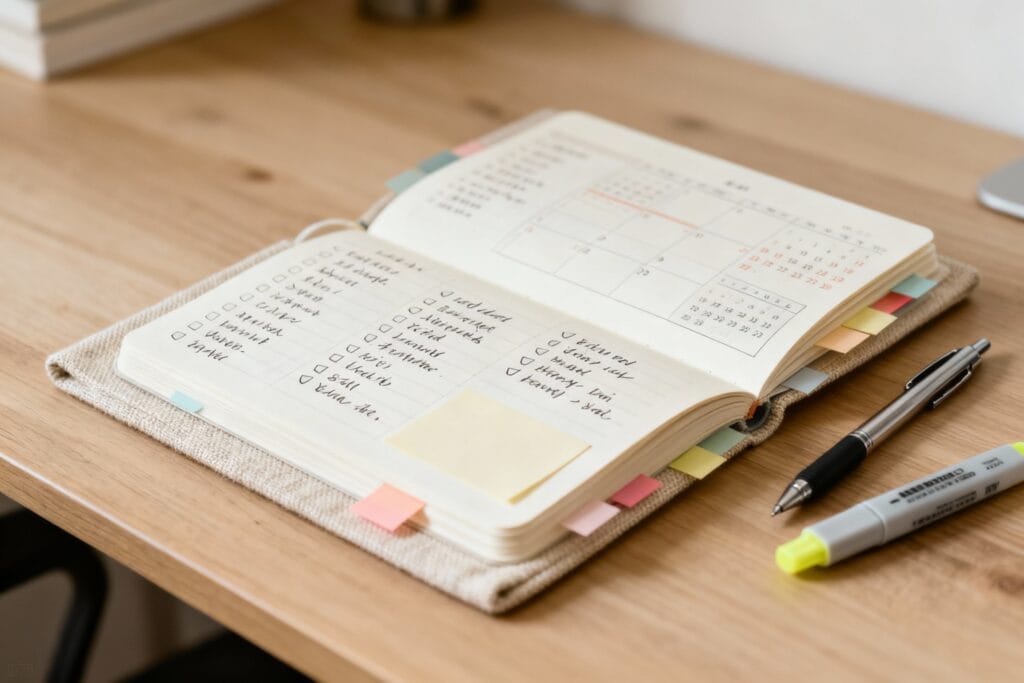
Time management is a vital skill for achieving both personal and professional goals. To start, create a daily schedule that outlines your tasks and priorities. This can be done using a digital calendar or a physical planner—whichever works best for you. Allocate specific time blocks for each task to ensure that you stay focused and minimize distractions.
Incorporate breaks into your schedule to recharge and maintain productivity levels. The Pomodoro Technique, which involves working for 25 minutes followed by a 5-minute break, is an effective way to enhance concentration. By having a clear plan in place, you will feel more in control of your day and more capable of achieving your objectives.

Using Digital Tools for Efficiency
In our technology-driven world, digital tools can greatly enhance time management. Consider using task management apps like Trello or Asana to keep track of projects and deadlines. These platforms allow you to create to-do lists, set reminders, and even collaborate with others, ensuring that everyone stays on the same page.
Additionally, calendar apps can help you manage appointments, deadlines, and events effectively. Setting up notifications can remind you of upcoming tasks, preventing last-minute scrambles. Embracing digital organization tools can streamline your workflow and help you stay focused on what truly matters.

Time Blocking Strategy
Time blocking is a powerful technique that involves dividing your day into specific time periods dedicated to different tasks. This method allows you to allocate focused time slots for deep work, meetings, and even personal time. By setting boundaries around each activity, you can minimize distractions and enhance your productivity.
When implementing time blocking, prioritize your most important tasks during your peak productivity hours. It’s essential to be realistic about your capacity; allocate time based on how long you expect tasks to take. Regularly review and adjust your time blocks to ensure they remain effective and aligned with your goals.

Digital Organization Hacks
Organizing Your Inbox
An overflowing email inbox can be a source of frustration and distraction. To regain control, start by unsubscribing from newsletters or notifications that no longer serve you. Create folders or labels to categorize emails, making it easier to find important messages when needed. Consider setting specific times during the day to check your email, rather than constantly refreshing your inbox.
Utilize tools like filters and rules to automatically sort incoming emails based on criteria you define. This will help you prioritize essential correspondence while minimizing the visual clutter of your inbox. A well-organized email system can lead to improved communication and less stress.
Streamlining Files and Folders
Just as important as managing your email is organizing your digital files. Take time to create a logical folder structure on your computer or cloud storage. Use descriptive names for files and folders to make searching easier. Regularly review and delete outdated files to keep your digital workspace clean and efficient.
Consider using tagging systems for easy access to frequently used documents. Many productivity apps also allow for cross-referencing tasks and files, which can save you time. By establishing a robust digital organization system, you can significantly enhance your workflow and reduce the time spent searching for files.
Utilizing Productivity Apps
In addition to email and file organization, various productivity apps can help streamline your workflow. Apps like Evernote or Notion allow you to take notes, store ideas, and manage tasks all in one place. With features like reminders and to-do lists, you can centralize your planning and enhance your focus.
Collaboration tools such as Slack or Microsoft Teams can improve communication with colleagues, reducing the need for endless email chains. These platforms allow for real-time discussions and file sharing, making teamwork more efficient. By leveraging the power of productivity apps, you can stay organized and connected in both personal and professional settings.
Organization for Work and Study
Setting Up an Effective Workspace
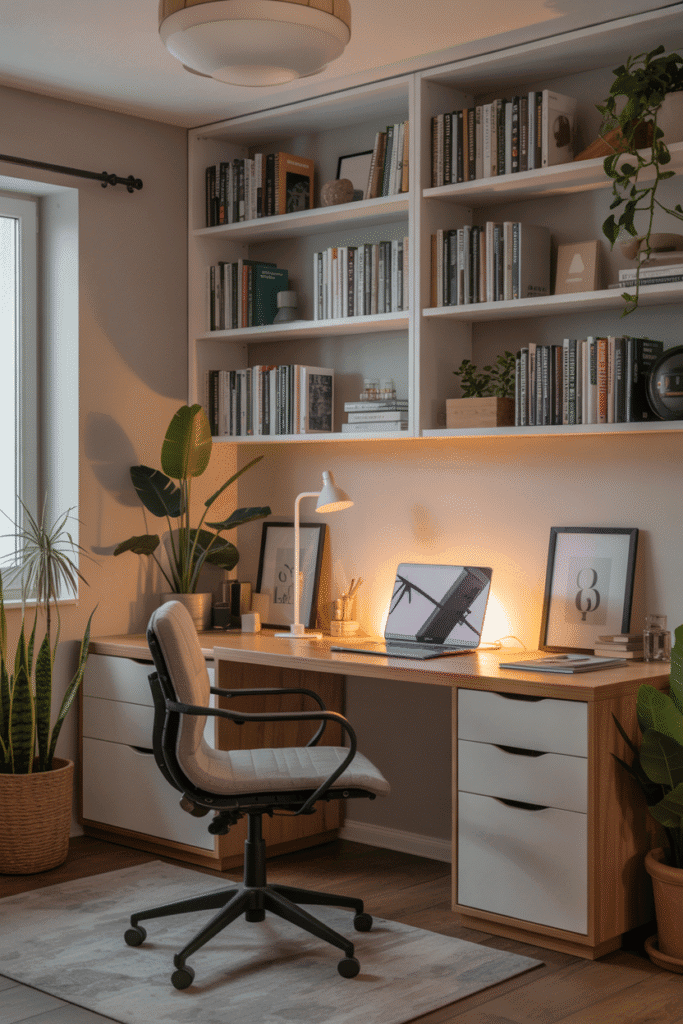
Your workspace plays a crucial role in your productivity. Start by ensuring that your desk is organized and free of distractions. Invest in ergonomic furniture to support comfort during long working hours. Personalize your workspace with inspiring visuals or plants to create a motivating atmosphere.
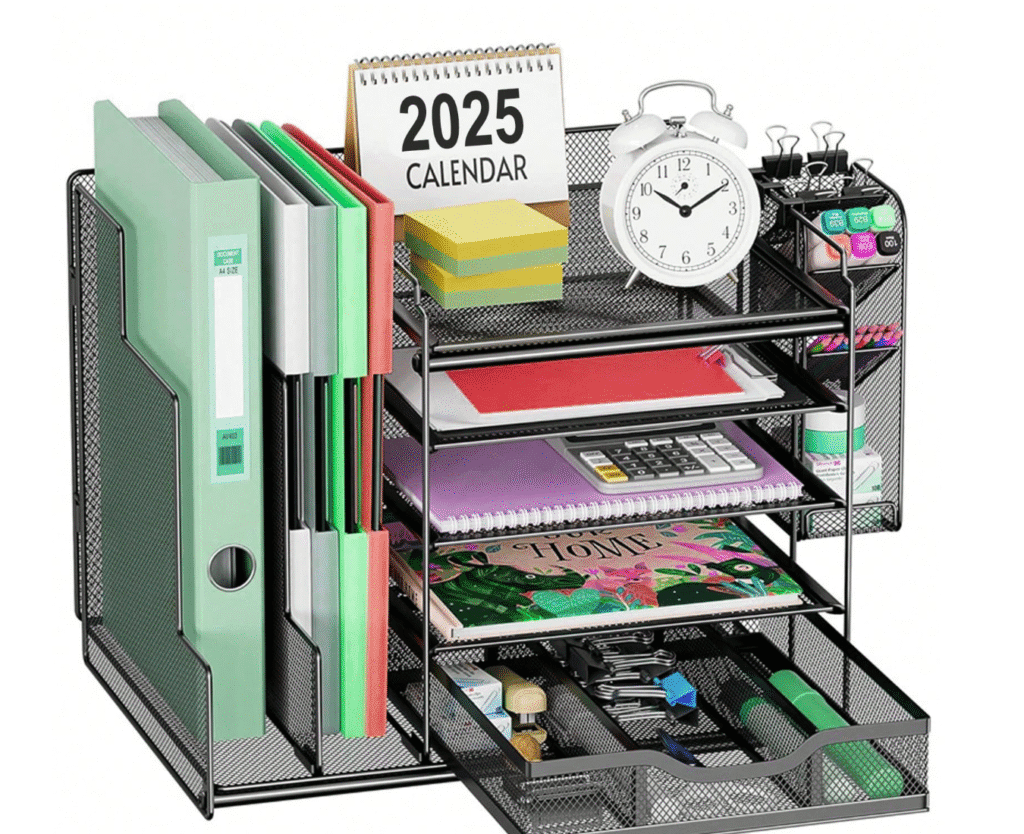
Implement a system for managing paperwork, such as a filing cabinet or document organizer, to keep your space tidy. Regularly declutter your desk to maintain focus, and establish a routine for setting up your workspace before diving into tasks. A well-organized workspace fosters creativity, enhances focus, and boosts overall productivity.
Study Tips for Better Retention
For students, organization is equally critical. Establish a designated study area free from distractions to enhance focus and retention. Use planners to keep track of assignments and deadlines, breaking larger tasks into manageable steps. This approach prevents overwhelm and encourages steady progress.
Implement active learning strategies, such as summarizing what you’ve learned or teaching the material to someone else. This helps reinforce information and improves retention. Regularly review your notes and study materials, allowing your brain to process and store information effectively.
Collaborative Tools for Team Projects
In collaborative environments, organization is key to teamwork. Use shared project management tools like Google Workspace or Trello to keep everyone aligned and accountable. Define roles and responsibilities clearly, ensuring that team members know their contributions to the project.
Regular check-ins and updates can help maintain momentum and address any challenges as they arise. Foster an open communication environment where team members feel comfortable sharing ideas and feedback. Effective organization within teams can lead to enhanced collaboration, creativity, and project success.
Maintaining Your Organization System
Setting Up a Routine
To reap the benefits of a structured life, maintaining your organization system is essential. Establishing a routine helps reinforce habits that promote organization, making it easier to sustain order in your daily life. Incorporate dedicated time for organizing and planning into your week, whether it’s a Sunday evening review of your upcoming tasks or a daily check-in to reassess priorities.
Consistency is key; the more you practice these routines, the more natural they will become. As you stay proactive about maintaining organization, you’ll find that it requires less time and effort in the long run, allowing you to focus on what truly matters.
Regular Check-Ins and Adjustments
Periodically evaluate your organization methods to ensure they continue to serve your needs. What worked a few months ago may not be as effective now, especially as your life circumstances change. Conduct regular check-ins to identify areas where you may be falling behind or where clutter is accumulating.
Be flexible and willing to adjust your systems as necessary. It’s crucial to find solutions that work for you, whether it means rethinking your storage solutions or trying out different productivity apps. Embracing change will help you stay organized in the long term, creating a more satisfying and efficient life.
Celebrating Your Organizational Wins
Lastly, don’t forget to celebrate your victories, no matter how small. Acknowledging your progress boosts motivation and reinforces the positive habits you’ve cultivated. Whether you reward yourself with a treat after organizing a room, or simply take a moment to appreciate your efforts, these small celebrations can enhance your commitment to staying organized.
Fostering a positive mindset around organization will make the process more enjoyable and sustainable. Remember that organization is an ongoing journey rather than a destination, and each step you take brings you closer to a more organized life.
Conclusion
In conclusion, organization plays a pivotal role in enhancing productivity and reducing stress in our lives. By understanding the importance of organization, utilizing home and time management hacks, streamlining digital spaces, and maintaining your systems, you can create an environment that supports your goals and well-being. Remember that organization is a personal journey—what works for one person may not be suitable for another. Tailor these strategies to fit your lifestyle and enjoy the benefits of a more organized life.
FAQs
1. How often should I declutter my space?
It’s recommended to declutter your space at least once every few months, but individual needs may vary. Regularly assessing your belongings can help maintain organization.
2. What are some easy ways to organize my digital files?
Create a logical folder structure on your computer, use descriptive file names, and regularly delete outdated files. Utilize cloud storage for easy access and sharing.
3. Can organization improve my productivity?
Yes! An organized space and time management strategies can reduce distractions, enhance focus, and streamline your workflow, leading to increased productivity.
4. How can I stay motivated to maintain my organization systems?
Set routines, conduct regular check-ins, and celebrate small victories. Keeping a positive mindset about organization can help you stay motivated.
5. What tools can help with time management?
Consider using digital tools like task management apps, digital calendars, and collaboration platforms to effectively manage your time and tasks.
For more Organization inspo, browse my category Home & Lifestyle and for digital Planner my 2$digitalshop.
These are my curated finds for this topic—browse all the products I use and recommend here.


*Ad/Affiliate Links
EXPLORE MORE & SHINE DAILY
Discover self-care rituals, glow-enhancing routines, and beauty favorites in our BEAUTY section.
For cozy home inspiration, mindful routines, and soft everyday living, explore HOME & LIFESTYLE.
Find feminine outfits, effortless style ideas, and modern fashion inspiration in FASHION.
Love curated outfits and shoppable inspiration? Visit SHOP THE LOOK to recreate your favorite styles.
Looking for thoughtful ideas for every occasion? Browse our curated GIFT GUIDES.