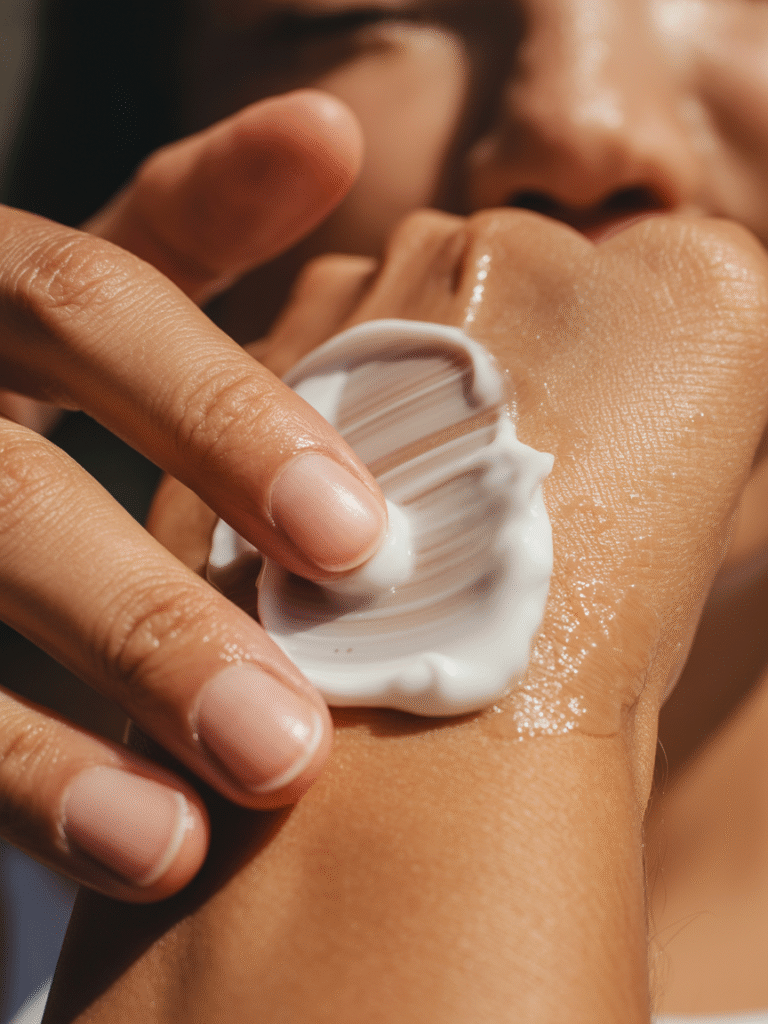
You washed your face, slathered on some stuff, and still woke up shiny and spotty. Annoying? Absolutely.
Most skincare fails don’t come from bad products—they come from using good products in the wrong order. The order matters because of texture, pH, and how your skin absorbs ingredients. Get that order right, and your routine starts doing the heavy lifting for you.
Why Order Matters (More Than You Think)

Skincare works like a relay race.
Each step sets up the next one. If you flip the order, you block absorption or neutralize active ingredients, and your routine turns into very expensive face yoga. Think of it like this: thin to thick, water-based to oil-based, low pH to higher pH.
That simple breakdown ensures ingredients actually hit the skin, not just sit on top. Quick rule of thumb: apply products from the lightest, wateriest textures to the richest, oiliest textures.
The Core Routine: Your Daily Order, Morning and Night
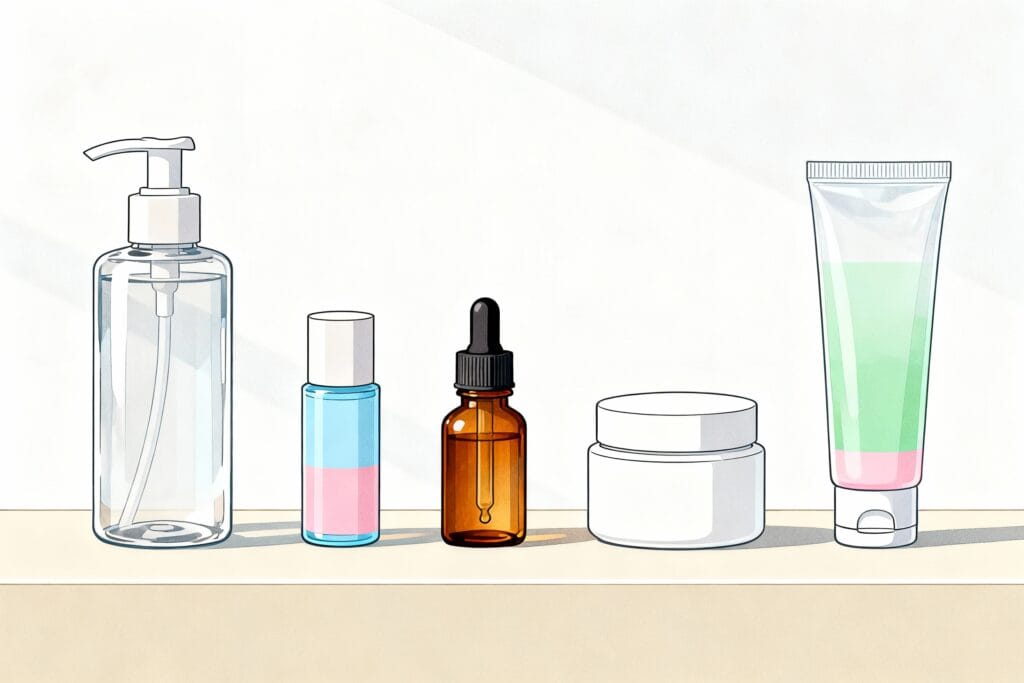
You don’t need a 12-step routine. You need a smart one. Here’s the baseline order that works for most people:
- Cleanser
- Toner/Mist (optional)
- Actives (vitamin C in AM, retinoids/acids in PM)
- Essence/Serum (hydrating or targeted)
- Moisturizer
- Sunscreen (AM only)
- Face oil (optional, last step at night)
Do you need every step?
Nope. But the order stays consistent even if you skip a few.
Morning vs. Night: The Key Differences
– Morning: focus on antioxidant protection and SPF.
Think cleanser → vitamin C → serum → moisturizer → sunscreen. – Night: focus on repair and exfoliation. Think cleanser → retinoid or acid → serum → moisturizer → oil (optional).
Step 1: Cleansing Without Wrecking Your Barrier
Cleansing sets the stage, so don’t nuke your barrier five seconds in.
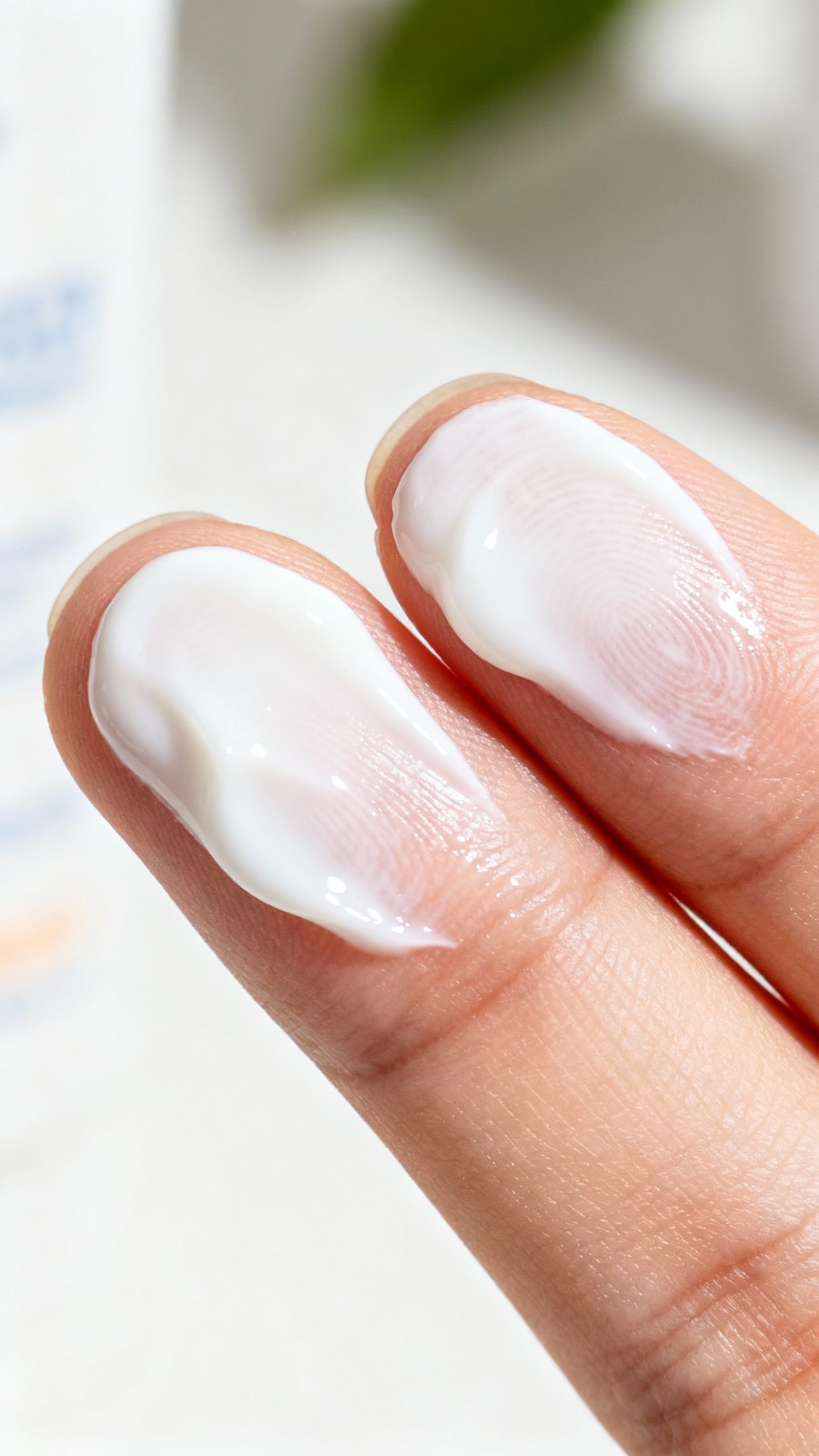
- AM: Use a gentle gel or creamy cleanser. If you’re dry or sensitive, FYI, rinsing with water might be enough.
- PM: Wear sunscreen or makeup? Double cleanse: oil or balm first, then a water-based cleanser.
What to Avoid in Cleansers
– Harsh sulfates if you’re sensitive – Strong fragrance if you tend to react – High-pH bars that leave skin squeaky (squeaky = stripped, IMO)
Step 2: Toners and Essences—Do You Actually Need Them?
Short answer: optional.
Helpful? Yes, if you pick the right one. – Hydrating toner/essence goes on right after cleansing to add water back to the skin. Look for glycerin, hyaluronic acid, or panthenol. – Exfoliating toner (AHA/BHA/PHA) goes on clean, dry skin at night and before other serums.
If you use both, exfoliating toners go first, then hydrating layers.
Layering Light Liquids
Press them in, don’t rub aggressively. Two thin layers beat one heavy splash.
Step 3: Actives—The Power Players
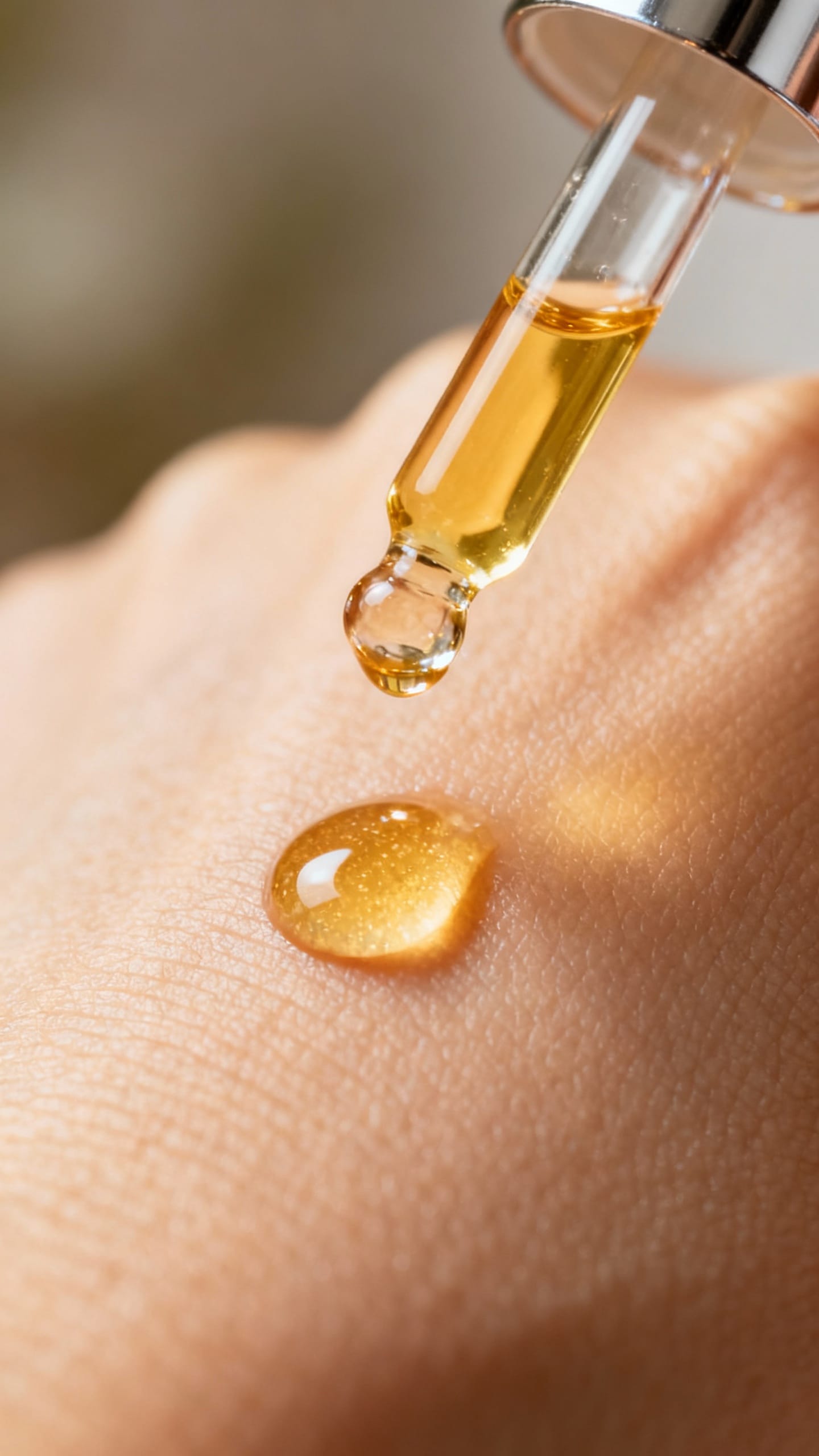
This is where results live. Apply actives early so they can actually do their job. – Vitamin C (AM): Apply after cleansing/toner.
L-ascorbic acid plays best on bare skin. Follow with moisturizer and SPF. – Acids (PM): Glycolic, lactic, or salicylic go right after cleansing. Use 2–4 nights/week depending on tolerance. – Retinoids (PM): Apply after cleansing or after a hydrating toner if you’re sensitive.
Start 2–3 times/week, then increase. Important: Don’t layer strong acids and retinoids in the same night unless your skin is very tolerant. Your face is not a chemistry lab (well, technically it is, but let’s not blow it up).
The “Moisture Sandwich” for Sensitive Skin
If actives irritate you:
- Apply a light moisturizer
- Use your active (retinoid or acid)
- Seal with another layer of moisturizer
You buffer the strength without losing the benefits.
Step 4: Serums—Hydration and Targeted Fixes
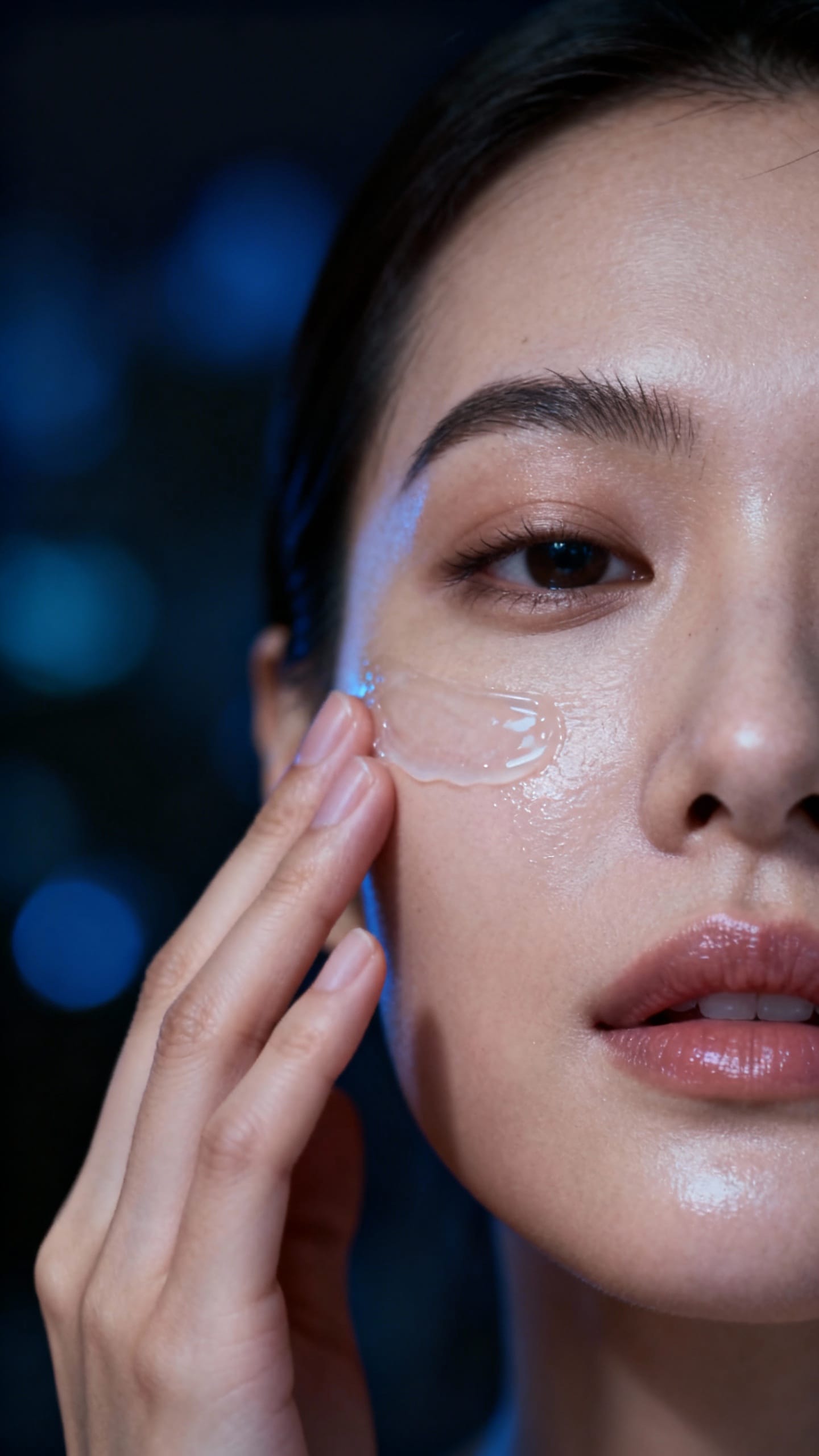
After actives, use serums to address your main concerns and add hydration. Great picks: – Hyaluronic acid for bouncy hydration (apply to slightly damp skin) – Niacinamide for pores, redness, and oil control – Peptides for firming and barrier support Use 1–2 serums max to avoid pilling and chaos.
Thinnest to thickest still applies.
Mixing Serums Without Drama
– Vitamin C + niacinamide? Totally fine in modern formulas. – Retinoid + niacinamide? Chef’s kiss—barrier support plus anti-aging. – Multiple strong actives together (like AHA + retinoid)?
Pick one per night.
Step 5: Moisturizer—Seal the Deal
Moisturizers keep water in your skin and help your actives stay comfy. Choose based on texture: – Gel for oily or acne-prone – Lotion/cream for normal to dry – Ointment or balm for severely dry or compromised barriers Apply enough to cover your face and neck. Don’t forget ears and chest—sun and wrinkles don’t stop at your jawline.
Slugging: Should You?
Slugging = occlusive layer (like petrolatum) on top.
Do it only if you’re dry, sensitive, or on retinoids. Skip if you’re acne-prone or using heavy actives that can get trapped and irritate.
Step 6 (AM Only): Sunscreen—The Non-Negotiable
Sunscreen goes last in the morning, after moisturizer. It forms a protective film, and anything on top will mess with that.
Use at least SPF 30, generously. How much? Two finger-lengths for face and neck. Reapply every 2–3 hours if you’re outdoors. Indoors with a window next to you?
Reapply at least once. Yes, really.
Makeup and SPF
– Apply sunscreen, let it set for 2–3 minutes, then makeup. – Want extra insurance? Use a sunscreen mist or powder for mid-day touchups over makeup.
Where Do Face Oils Fit In?
Face oils go last at night (or second to last if you skip occlusives).
Oils seal in moisture but don’t hydrate on their own. Pick lighter oils (squalane, rosehip) if you’re acne-prone. Heavier ones (marula, jojoba) if you’re dry.
One to three drops max—don’t deep-fry your face.
Common Mistakes That Wreck a Good Routine
– Over-exfoliating: Redness, tightness, random breakouts? Chill on the acids. – Skipping SPF with actives: If you use vitamin C, acids, or retinoids, sunscreen isn’t optional. – Pilling: Too many layers, not enough absorption time. Keep it simple and let each layer dry 30–60 seconds. – Ignoring your neck: Future you will file a complaint.
FAQs
Can I apply retinol and vitamin C together?
You can, but most people see better tolerance by splitting them: vitamin C in the morning, retinol at night.
If you insist on combining, buffer with moisturizer and go slow.
Where do eye creams go?
Apply eye cream after serums and before moisturizer, unless it’s super light—then treat it like a serum. FYI, you can use your regular moisturizer around your eyes if it doesn’t sting.
Do I need toner?
Not mandatory. If your cleanser doesn’t strip your skin, you’re fine without one.
Hydrating toners help if you’re dry; exfoliating toners help if you’re dull or congested. Pick based on need, not hype.
What if my skin pills?
Use fewer products, apply thinner layers, and wait between steps. Avoid too many silicones together, and keep powders (like vitamin C powder) to a minimum in multi-step routines.
How long should I wait between steps?
30–60 seconds usually works.
The exception: some vitamin C serums like to sit for 1–2 minutes before layering. Don’t overthink it—just let each layer feel slightly set.
Is sunscreen before or after moisturizer?
After. Always after.
SPF is the final step in your morning routine, then makeup.
Final Thoughts
You don’t need 47 products—you need the right order. Cleanse, treat, hydrate, protect. Keep it thin-to-thick and active-first, and your skin will actually use what you give it.
IMO, consistency beats complexity every time. Now go line up those bottles like a tiny skincare army and win the day.
EXPLORE MORE & SHINE DAILY
Discover self-care rituals, glow-enhancing routines, and beauty favorites in our BEAUTY section.
For cozy home inspiration, mindful routines, and soft everyday living, explore HOME & LIFESTYLE.
Find feminine outfits, effortless style ideas, and modern fashion inspiration in FASHION.
Love curated outfits and shoppable inspiration? Visit SHOP THE LOOK to recreate your favorite styles.
Looking for thoughtful ideas for every occasion? Browse our curated GIFT GUIDES.