We celebrate speed like it’s a virtue. We stack tasks, chase inbox zero, and run on coffee like it’s jet fuel. Then we wonder why our brain feels like a browser with 73 tabs open, 12 of them playing music. Spoiler: the solution isn’t a better to-do app. It’s slowing down.
The Paradox: Slow Down to Get More Done

Slowing down sounds like quitting the race. It’s not. You still run—just smarter, with shoes that fit, and without sprinting every mile.
When you slow your pace, you switch from frantic output to intentional output. You choose the right work, not just more work. The stuff that moves the needle gets your best energy, and the rest either waits or disappears.
Slowness builds focus, focus builds quality, and quality compounds. That compounding beats speed every single time.
Your Brain on Fast-Forward vs. Your Brain on Slow
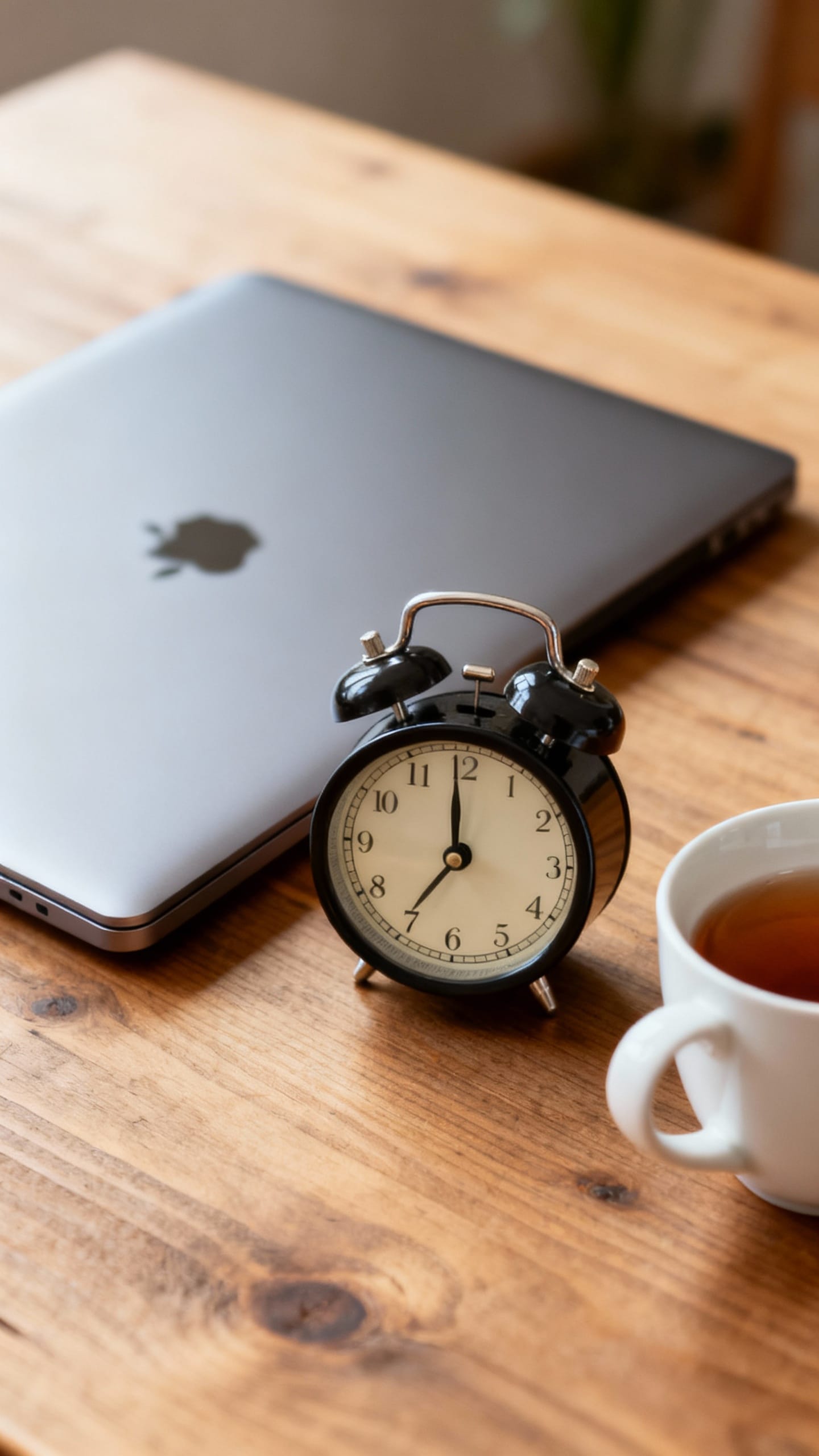
Rapid task-switching slices your attention into confetti. Every switch costs you time and energy because your brain needs a moment to reorient. That “just a quick check” spiral? It wrecks deep work.
When you slow down, you give your brain fewer contexts to juggle. It rewards you with clarity, creativity, and fewer dumb mistakes. You’re not dragging your feet—you’re sharpening your tools.
The Attention Tax You Didn’t Know You Were Paying
– Every interruption adds a re-entry cost (minutes you won’t get back).
– Shallow work feels productive but creates little value.
– Deep work needs uninterrupted time blocks, not sprints between pings.
FYI: One hour of focused work often beats three hours of distracted effort. That’s not productivity hype. That’s math.
The Metrics Lie: Redefine “Productive”

We love visible progress: emails sent, tasks checked, meetings attended. It looks good on a dashboard. It often means nothing.
Replace volume metrics with value metrics:
- Impact over activity: What changed because you did this?
- Quality over speed: Did you reduce rework and confusion?
- Sustainability over sprints: Can you maintain your pace without burning out?
If your work survives scrutiny after the adrenaline wears off, you’re doing it right.
The “Slow KPI” Checklist
Ask yourself weekly:
- What did I deliberately say no to?
- What did I improve (not just complete)?
- Where did I create clarity for future me?
If you have answers, you’re winning—even if your inbox looks messy.
Practical Ways to Slow Down (Without Dropping the Ball)

Let’s ditch the abstract. Here’s how slowing down actually works in real life.
1) Design Slow Mornings
– Start with 20-60 minutes of quiet, not screens. Journal, stretch, walk, or stare at a tree. Yes, I’m serious.
– Pick 1-3 priorities for the day. One big, one medium, one small.
– Delay email and Slack for the first 60-90 minutes. You steer your day; notifications don’t.
2) Time-Box Deep Work
– Book 2-3 blocks of 60-90 minutes each week for “no input” tasks: writing, design, strategy.
– Put your phone in another room. Use Do Not Disturb. Wear headphones even if you’re not listening to anything. It’s a social “do not approach” sign.
3) Slow Meetings
– Share written agendas in advance. No agenda, no meeting. IMO, that’s the hill to die on.
– Cut meeting length by 25%. People focus when time feels scarce.
– End with decisions and owners. Slower pace, faster outcomes.
4) Batch the Busywork
– Handle emails and messages in two windows a day. Turn off the badge notifications—those little red dots live to steal your soul.
– Group similar tasks: approvals, scheduling, quick reviews. You’ll ride one mental mode instead of shifting gears.
5) Build Real Recovery
– Schedule breaks like you schedule calls. Your brain does better work after a short rest.
– Use a 5-10 minute reset: walk, breathe, water, stretch. No doomscrolling.
– End your day with a 5-minute shutdown ritual: tidy tasks, set tomorrow’s priorities, close the laptop like you mean it.
The Compounding Power of Boredom
Boredom scares high-achievers, but it’s where your mind wanders into original ideas. Those shower thoughts? They happen because you finally stopped feeding your brain content.
Protect low-input moments. Walk without podcasts. Wait in line without your phone. Sit on a bench and do nothing. Your brain will surprise you if you give it air.
Creativity Loves Empty Space
– Novel connections emerge when you’re not occupied.
– Memory consolidates when you rest, not when you grind.
– Insights come after you step away, not while you brute-force them.
Yes, you can “optimize” for boredom. It’s the most productive unproductive thing you’ll do.
Boundaries: The Slow Person’s Secret Weapon
You can’t slow down in a culture that worships “ASAP” unless you draw lines. Boundaries keep your calendar humane and your brain useful.
Try:
- Office hours for communication (e.g., replies within 24 hours, not 24 seconds).
- Focus blocks on your calendar—treat them like meetings with your future self.
- Default “no” to low-impact requests with a polite template.
You’ll annoy one or two speed demons. You’ll delight everyone else when you consistently deliver thoughtful work on time. IMO, that’s a fair trade.
Slowing Down When You Can’t Control Everything
Some jobs run on urgency. Some teams idolize “move fast.” You can still slow your personal process.
Micro-slowdowns you can use anywhere
– Take one minute before a task to define “done.” Write it down.
– Ask one clarifying question before you start. Ambiguity is expensive.
– Do one thing at a time for 10 minutes. Then decide to continue or switch.
– Pause before sending. Read once for clarity and once for tone.
When the team moves too fast
– Propose “decision memos” for big calls. One page. Pros, cons, recommendation.
– Suggest a weekly “slow hour” for retro: what to stop, start, continue.
– Pilot small experiments first. Calm teams iterate; chaotic teams combust.
FAQ
Does slowing down mean I’ll fall behind?
Not if you slow the right things. You still move, you just stop sprinting in circles. You’ll ship fewer scattered tasks and more meaningful results. That’s how you leapfrog the busy folks.
How do I convince my boss or team?
Show outcomes. Block one deep-work session a week and report the result: fewer revisions, faster approvals, clearer deliverables. People follow evidence. Also, frame it as risk reduction—slower upfront, fewer costly fixes later.
What if my job demands instant responses?
Set response windows, not instant replies. Example: “I respond within two hours during business hours.” Use status notes and autoresponders. Batch low-stakes messages and reserve your speed for true emergencies.
Isn’t multitasking a useful skill?
You can juggle logistics, sure. But for anything that matters—writing, design, strategy, decisions—multitasking torpedoes quality. Treat deep work like surgery: one patient at a time, phones off.
How long should deep work blocks be?
Start with 45-60 minutes. If that feels good, go to 90. Most people top out around two hours before diminishing returns hit. The goal isn’t heroic marathons; it’s consistent, high-quality sessions.
What tools help with slowing down?
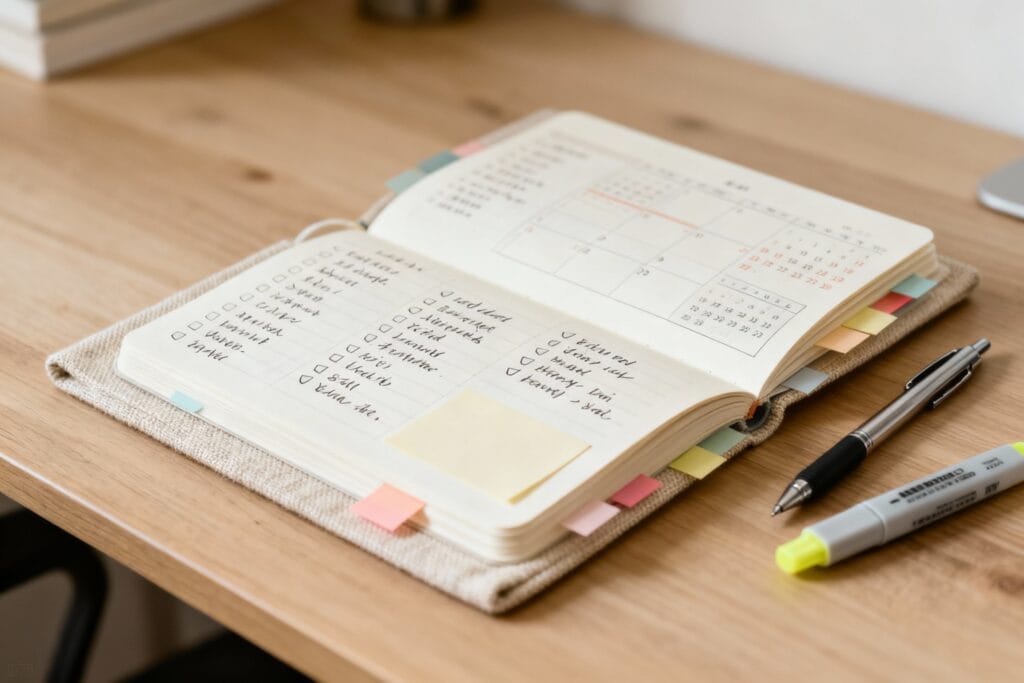
Use simple ones that get out of your way: calendar blocks, Do Not Disturb, a physical notebook, site blockers, noise-canceling headphones. Tools don’t cause slowness; habits do. Keep the stack boring so your work can be interesting.
Wrap-Up: The Calm Edge
Speed looks impressive. Calm wins. When you slow down, you choose intention over reaction, depth over noise, and results over theatrics. You make fewer mistakes, you recover faster, and you actually enjoy your work.
So try it. Walk slower to your desk. Open fewer tabs. Protect one quiet hour. Let your brain stretch out on the couch and do what it does best. When in doubt, remember: slow is smooth, smooth is fast.
EXPLORE MORE & SHINE DAILY
Discover self-care rituals, glow-enhancing routines, and beauty favorites in our BEAUTY section.
For cozy home inspiration, mindful routines, and soft everyday living, explore HOME & LIFESTYLE.
Find feminine outfits, effortless style ideas, and modern fashion inspiration in FASHION.
Love curated outfits and shoppable inspiration? Visit SHOP THE LOOK to recreate your favorite styles.
Looking for thoughtful ideas for every occasion? Browse our curated GIFT GUIDES.